7 Tips Why Do Cats Love Lickable Cat Strips So Much?

Time:2026-10-03 Author:Amelia
0%

When a cat hears a lickable treat pouch open, its ears may lift before its paws begin moving. The soft texture, strong aroma, and easy licking action can create an immediate response. Many owners notice this behavior during quiet evenings, training sessions, or stressful visits to the carrier. But why do cats love lickable cat strips so much? The answer involves taste, smell, texture, learned routines, and individual preference.

These treats often contain moisture and concentrated flavors that appeal to a cat’s sensitive nose. Their smooth texture may also help older cats or cats with dental discomfort eat more comfortably. Veterinary nutrition guidance suggests using them as occasional treats, not replacements for complete meals. Portion size matters. Too much can upset digestion or reduce interest in balanced food. My first assumption was that every cat loved the same flavor, but that was clearly incomplete. One cat may lick chicken strips eagerly, while another ignores them and waits for fish. Cats are not predictable little machines.

This guide presents seven practical tips for understanding that preference safely. It considers ingredient labels, feeding habits, hydration, enrichment, and possible signs of food sensitivity. Real household observations can be useful, but they cannot replace veterinary advice. A sudden appetite change deserves attention. So does vomiting, diarrhea, or unusual lethargy after treats. With careful portions and patient observation, lickable cat strips can become a rewarding part of daily interaction. The goal is not simply to explain their appeal. It is to help owners offer treats thoughtfully, without confusing excitement with nutritional need.
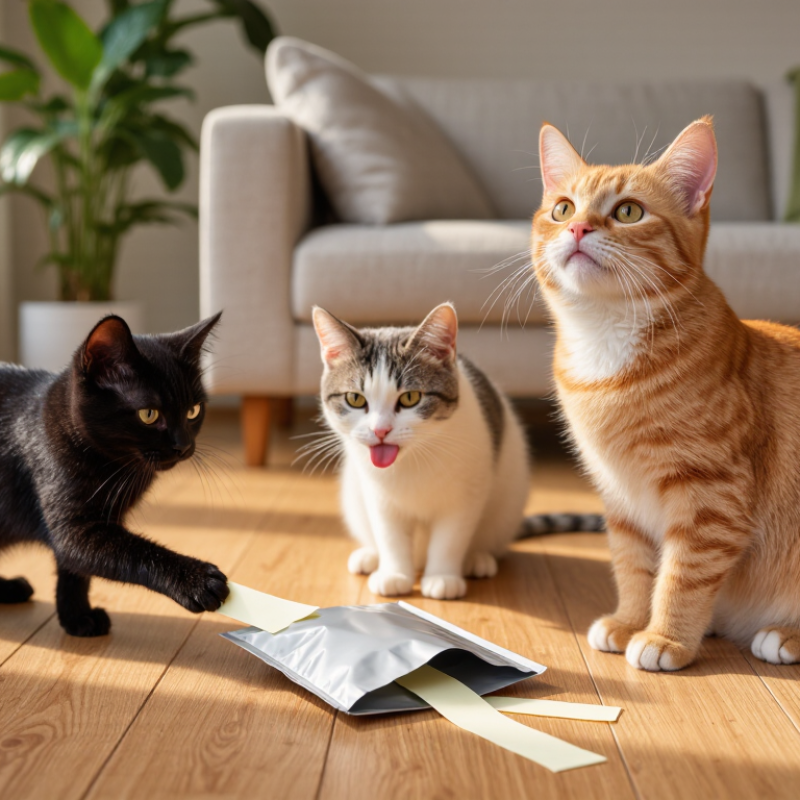
7 Tips Why Do Cats Love Lickable Cat Strips So Much?

What Are Lickable Cat Strips and How Do They Work?

Lickable cat strips are soft, moist treats made for cats to lap rather than chew. They usually contain a smooth puree of meat, fish, broth, or other palatable ingredients. The texture matters. A cat’s rough tongue collects the paste easily, while moisture spreads its aroma across the mouth. Strong scent can attract cats, especially those that ignore dry food.

The strip format also creates a simple feeding routine. When the packet opens, volatile aromas rise quickly. The cat then licks small amounts at a comfortable pace. This repeated licking may feel soothing and interactive. Some cats enjoy the attention as much as the flavor. It is easy to assume they love every ingredient, but texture and smell may be doing most of the work.

Use these treats as an occasional supplement, not a complete meal. Check the calorie content, salt level, and ingredient list. A little goes a long way. You can place a small amount on a spoon or mix it with regular food. Avoid forcing a cat to lick from a packet, since sudden movement may cause stress. Cats with kidney disease, food allergies, or weight concerns need individual veterinary advice. Hydration from a lickable treat can help modestly, but it cannot replace fresh drinking water. I once thought a cat refusing a treat simply disliked the flavor. Sometimes the opening, temperature, or unfamiliar texture is the real problem.

How Their Taste, Smell, and Texture Attract Cats

7 Tips Why Do Cats Love Lickable Cat Strips So Much?

Cats often respond to lickable cat strips through taste, smell, and texture. Their strong sense of smell notices the savory aroma before the treat reaches their mouth. Moist ingredients can release more scent than dry food. That may explain the sudden head turn. A soft texture also suits cats that prefer licking over chewing. The smooth strip spreads across the tongue, creating a gentle, satisfying sensation. Some cats may enjoy the mild temperature of a freshly opened portion, although this effect is probably limited.

The appeal can also come from familiar flavors, natural meat aromas, and the small amount offered at one time. Licking slows eating and may feel calming for certain cats. Hand feeding can add social meaning, because your voice and touch become part of the experience. Yet every cat has individual preferences. One cat may chase a savory smell, while another ignores it completely. Seven practical clues matter: aroma, moisture, savory taste, smoothness, portion size, feeding interaction, and personal preference.

A common mistake is calling every strong reaction “love.” Hunger, routine, or simple curiosity can look similar. Treats should remain occasional and match the cat’s dietary needs. Check the ingredients and watch for vomiting, itching, or loose stool. Cats are not always predictable. Even careful observations can be incomplete. Their favorite texture today may be rejected tomorrow.

Why Moisture and Easy Licking Make Them Appealing

7 Tips Why Do Cats Love Lickable Cat Strips So Much?

Moisture is often the main attraction. Many cats have a naturally low thirst drive, so they may ignore a water bowl for hours. A soft, moist treat offers fluid through a familiar eating routine. Its smooth texture also requires little chewing, which can help older cats or cats with sensitive mouths. The scent rises quickly from the moist surface. That matters because cats rely heavily on smell before tasting food. Easy licking feels safe and predictable. Very appealing.

I noticed this with a cautious cat that rejected crunchy treats but approached a lickable strip within seconds. The narrow portion let her pause, sniff, and continue without pressure. That small control seemed important. The texture can also support slower feeding when offered from a spoon or shallow dish. Still, this is an observation, not a clinical rule. Some cats dislike sticky foods, and personal preference remains powerful.

Caregivers should read the feeding directions and count treats within the daily calorie allowance. A lickable snack should support, not replace, a complete and balanced diet. Excessive portions may contribute to weight gain or digestive upset. Watch for loose stools, vomiting, or sudden refusal. Stop offering it if problems appear, and ask a veterinarian for advice. Moist treats may add water, but they cannot correct every hydration concern. Fresh water still matters. Cats can be surprisingly selective.

7 Tips: Why Do Cats Love Lickable Cat Strips So Much? — Why Moisture and Easy Licking Make Them Appealing
Tip Appealing Feature What Happens in a Cat Evidence-Based Fact Practical Serving Insight
1 High moisture content The soft format can provide fluid along with calories, which may be attractive to cats that do not drink much water voluntarily. Cats generally have a relatively low thirst drive compared with many other mammals. Moist foods commonly contain about 70–80% water, while dry foods commonly contain about 6–10% water. Offer lickable treats as a small supplement, while keeping fresh drinking water available at all times.
2 Easy licking texture A smooth paste or soft strip requires little chewing and can be consumed through repeated tongue movements. A cat's rough tongue is covered with backward-facing keratinized papillae that help move food and liquids into the mouth. The texture may suit cats with reduced chewing ability, but dental or swallowing problems should be assessed by a veterinarian.
3 Strong aroma and taste Moist food releases volatile aromas more readily than very dry food, helping the scent reach a cat's sensitive olfactory system. Cats rely heavily on smell when evaluating food. They also cannot taste sweetness because functional sweet-receptor genes are absent in felids. Meaty or savory formulas are more biologically relevant to cats than sweet flavors, but individual preferences still vary.
4 Predator-like feeding action Repeated licking and small mouthfuls can resemble the controlled consumption of soft tissue or liquid from prey. Cats are obligate carnivores and have anatomical adaptations for a meat-based diet, including sharp carnassial teeth and limited ability to grind food. Use the strip as an occasional reward or enrichment activity rather than as a replacement for a complete, balanced diet.
5 Comfort and low effort Because the food is soft and portioned, cats can enjoy it without the effort required to tear, crunch, or chew larger pieces. Older cats and cats with painful oral conditions may show changes in chewing, food preference, or eating speed; these changes can require veterinary attention. For senior cats, monitor appetite, weight, chewing behavior, drooling, and mouth sensitivity instead of assuming a texture preference is harmless.
6 Interactive bonding Licking directly from a pouch, spoon, or hand can create a predictable one-to-one interaction with a familiar caregiver. Positive reinforcement can strengthen desirable behaviors when rewards are delivered immediately and calmly after the behavior occurs. Use a spoon or small dish when possible, and avoid squeezing food into the back of the mouth because forced feeding can cause stress or aspiration risk.
7 Small, controlled portions A narrow strip or measured lick can deliver a concentrated reward without requiring a large meal. Treats should generally provide no more than about 10% of a cat's daily calories; the remaining calories should come from a complete and balanced diet. Check the calorie content, count all treats given during the day, and adjust meal portions when necessary to help maintain a healthy body condition.
Health note: Individual cats differ in appetite, texture preference, and medical needs. Lickable treats should complement—not replace—complete cat food. Persistent appetite changes, vomiting, diarrhea, weight loss, excessive thirst, or difficulty eating should be discussed with a veterinarian.

How Lickable Cat Strips Support Bonding and Positive Reinforcement

Why Do Cats Love Lickable Cat Strips So Much?

Lickable cat strips combine strong aroma, soft texture, and easy swallowing. These features can attract cats with dental sensitivity or limited appetite. However, preference is individual. Some cats simply enjoy the licking motion.

Used carefully, these treats can support bonding through calm, predictable interactions. A caregiver may offer a small amount after gentle brushing, nail handling, or entering a carrier. This creates a clear reward pattern. The cat learns that cooperation can bring something pleasant. The 2021 AAFP/ISFM Cat-Friendly Veterinary Interaction Guidelines recommend low-stress handling and reward-based experiences when possible. Keep your voice soft. Let the cat approach.

The relationship matters more than the treat itself. The 2023–2024 APPA National Pet Owners Survey reported that 66% of U.S. households owned a pet, showing how common daily human-animal interaction has become. Yet more interaction does not always mean better interaction. A strip should not replace play, rest, or choice. The 2021 AAFP Feline Life Stage Guidelines also emphasize maintaining healthy body condition and monitoring food intake. Follow the feeding instructions. Adjust meals when needed. I have seen cats become too focused on treats, so the method needs reflection. Stop if the cat turns away, swallows too quickly, or shows tension. Positive reinforcement works best when the cat still feels in control.

What Owners Should Know About Safe and Balanced Feeding

7 Tips Why Do Cats Love Lickable Cat Strips So Much?

What Owners Should Know About Safe and Balanced Feeding

Cats often enjoy lickable strips because they smell strong and feel smooth. Their soft texture also helps older cats or cats with dental discomfort. However, popularity does not prove nutritional balance. Many strips are treats, not complete meals. Check the package for feeding guidance, calorie content, and a clear nutritional statement.

Serve small portions in a clean dish, rather than letting the cat bite directly from the packet. This reduces mess and may lower the risk of accidental swallowing. Supervise every feeding session. A cat that eats too quickly can cough, gag, or become distressed. Discard leftovers that have stayed at room temperature for too long. Refrigerate opened portions only when the package directions allow it.

Treat calories should fit the cat’s daily diet. For many cats, treats should remain a small part of total intake. Reduce meal portions slightly if strips are offered regularly, but do not remove essential food without professional advice. Cats with kidney disease, food allergies, diabetes, or obesity need individualized guidance from a veterinarian. Water should remain available, even when the strip contains moisture. It is easy to mistake a tasty reward for proper hydration. That mistake deserves a second look. Even careful owners may offer too much when a cat begs with bright eyes.

FAQS

What are lickable cat strips?

They are soft, moist treats made for licking rather than chewing. They often contain pureed meat, fish, broth, or similar ingredients.

Why do cats often enjoy these treats?

Their strong aroma rises when the packet opens. Moisture carries flavor across the mouth, while the smooth texture suits a rough tongue.

Does every cat like lickable treats?

No. One cat may follow a savory smell, while another ignores it. Personal preference matters more than appearance.

Can lickable treats replace regular cat food?

No. Use them as occasional supplements, not complete meals. A small portion is usually enough.

How should I serve a lickable treat?

Place a little on a spoon or mix it with normal food. Avoid forcing the cat to lick directly from the packet.

Can these treats help with hydration?

They provide some moisture, but only modestly. Fresh drinking water must always remain available.

What details should I check before feeding one?

Review calories, salt, and ingredients. Watch for vomiting, itching, or loose stool after feeding.

Why might a cat suddenly reject a favorite treat?

The flavor may not be the issue. The opening sound, temperature, routine, or unfamiliar texture could cause refusal.

Are lickable treats suitable for cats with health concerns?

Cats with kidney disease, allergies, or weight concerns need individual veterinary advice. General feeding guidance may not fit every cat.

Does licking always mean a cat loves the treat?

Not necessarily. Hunger, curiosity, habit, or attention can look like enjoyment. I may have judged this reaction too quickly.

Conclusion

Why do cats love lickable cat strips so much? These soft, moist treats are designed to be licked directly, making them easy and enjoyable for cats of different ages and eating abilities. Their appealing aroma and savory taste can quickly capture a cat’s attention, while the smooth texture provides a satisfying licking experience. The moisture content may also make the treat feel refreshing, especially for cats that do not naturally drink much water.

Lickable cat strips can also support positive interaction between cats and their owners. Offering a small amount by hand may encourage trust, comfort, and bonding, while using the treat as a reward can reinforce calm or desired behavior. However, these treats should complement—not replace—a complete and balanced diet. Owners should follow feeding guidance, consider the cat’s overall calorie intake, and choose products with suitable ingredients for the cat’s age, health, and dietary needs.

Amelia

Amelia

Amelia is a seasoned marketing professional with a wealth of expertise in our company’s core offerings. With an unwavering passion for driving growth and innovation, she plays a pivotal role in shaping our marketing strategies and enhancing brand visibility. A key aspect of her responsibilities......