How Much Freeze Dried Food Should You Feed Your Cat?

Time:2026-08-04 Author:Isabella
0%

When it comes to feeding your cat, understanding portion sizes is crucial. Pet food experts suggest that the amount of freeze-dried food a cat should receive can vary based on age, weight, and activity level. According to the American Association of Feed Control Officials (AAFCO), a typical adult cat weighing around 10 pounds may benefit from approximately 1/4 to 1/2 cup of freeze-dried food daily.

It's essential to know how much freeze-dried food to feed a cat to ensure balanced nutrition. Many brands provide guidelines, but individual needs can differ. A study by the Journal of Feline Medicine and Surgery states that improper feeding can lead to obesity or nutritional deficiencies. Monitoring your cat's weight and consulting a veterinarian is advisable to tailor their diet accordingly.

Balancing freeze-dried food with other options can also create variety. Some pet owners may feel anxious about choosing the right amount. However, remember, each cat's needs are unique. Regularly reassessing their food intake can lead to healthier choices. Understanding how much freeze-dried food to feed a cat can enhance their overall well-being and longevity.
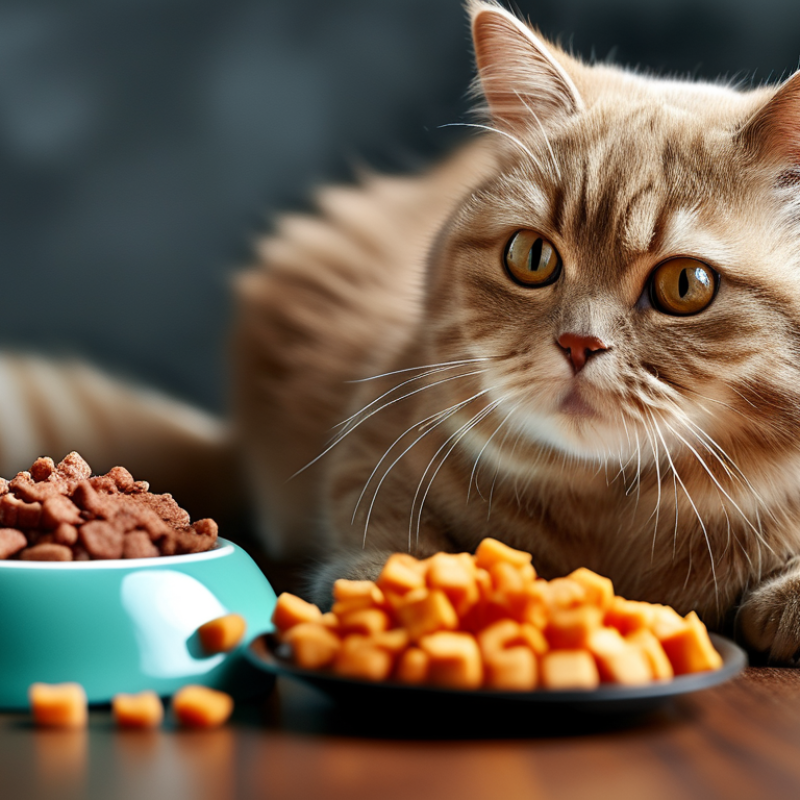
How Much Freeze Dried Food Should You Feed Your Cat?

Understanding the Nutritional Needs of Cats

Cats are obligate carnivores, meaning their diet relies heavily on meat. Understanding their nutritional needs is crucial for a healthy life. A study from the Journal of Animal Science indicates that cats need around 25-30% protein in their diet. Freeze-dried food can offer these essential nutrients but must be measured correctly.

It's important to consider your cat's age, weight, and activity level when determining food portions. Kittens require more protein, around 35-50% for growth. Adult cats need a balance of protein, fats, and some carbohydrates. However, too much carbohydrate can lead to obesity. A report from the American Veterinary Medical Association warns that improper diets can cause health issues.

Tips: Monitor your cat for changes in weight and energy levels. Adjust food portions accordingly. Always consult a veterinarian when making significant dietary changes. Offering a variety of freeze-dried options can also help in providing balanced nutrition. Remember to introduce any new food gradually to avoid digestive upset.

Recommended Daily Caloric Intake for Cats

When considering how much freeze-dried food to feed your cat, understanding their daily caloric intake is essential. Most adult cats require around 20 calories per pound of body weight daily. For example, a 10-pound cat needs approximately 200 calories each day. However, this may vary based on age, activity level, and health conditions.

It's important to assess your cat's specific needs. If they are quite active, they may need more calories. Conversely, if your cat is less active or overweight, you might want to reduce their intake. Monitoring your pet's weight and adjusting their food accordingly can ensure they maintain a healthy lifestyle.

Tip: Always check the feeding guidelines on the packaging of the freeze-dried food. This can provide a helpful baseline for portion sizes. It’s also wise to consult with a veterinarian about your cat's diet.

Make sure to transition your cat gradually if you’re introducing freeze-dried food. This helps avoid digestive upset. Watch for any signs of discomfort as they adjust to their new diet. Finding the right balance can take time and observations.

Estimating Portion Sizes for Freeze Dried Food

When considering freeze-dried food for your cat, understanding portion sizes is crucial. Cats have unique dietary needs. This type of food is concentrated, so feeding the right amount is vital for their health. A general guideline is to start with 1/4 to 1/2 cup of freeze-dried food per day, depending on your cat’s weight and activity level.

Measuring out portions can be tricky. Not all freeze-dried foods have the same caloric content. Always check the packaging for specific serving sizes. Pay attention to your cat's reactions as well. If your furry friend seems hungry or is losing weight, you may need to adjust the portions.

Using a kitchen scale can improve accuracy. Weigh the appropriate amount of food, instead of just relying on measuring cups. This will help ensure your cat receives the right nutrients. Watch for signs of overfeeding, like lethargy or weight gain. On the other hand, underfeeding can lead to malnutrition. Experiment and find the right balance for your cat’s specific needs.

Adjusting Food Portions Based on Cat's Weight and Activity Level

When determining how much freeze-dried food to feed a cat, consider its weight and activity level. Cats, on average, require about 20 calories per pound of body weight. An active, playful cat might need more. A 10-pound cat may need around 200 calories daily, while a sedentary cat may only require 150 calories. Adjust portions based on whether your cat is a couch potato or a little hunter.

Daily activity significantly impacts your cat's calorie needs. According to a study published in the Journal of Feline Medicine and Surgery, overweight cats are common. They often consume more than necessary, leading to health complications. Feeding guidelines often recommend specific portions, but each cat is unique. Monitor your cat’s weight regularly and adjust food amounts accordingly. If your cat is gaining weight, reduce the portion slightly. If it is losing weight, consider increasing the amount.

Cats may also have individual preferences that complicate feeding. Some cats eat less when stressed or bored. Others may overeat if not monitored closely. Investing time to observe your cat's eating habits can provide valuable insights, allowing you to tailor their diet to their specific needs. Keeping a reflective approach to feeding can help achieve a healthy balance for your feline companion.

How Much Freeze Dried Food Should You Feed Your Cat?

This chart illustrates the recommended daily food portions of freeze dried food for cats based on their weight. Adjustments should be made based on your cat's activity level and specific dietary needs.

Monitoring Your Cat's Health and Dietary Adjustments

When adjusting your cat's diet, monitoring health is crucial. Cats have unique nutritional needs, and their reactions to freeze-dried food can vary. Regular vet check-ups help identify any dietary issues early on. According to veterinary studies, approximately 20% of cats may experience digestive changes when introduced to new food. Observing your pet's behavior and weight can provide insights into their health.

Transitioning to freeze-dried food should be gradual. Start by mixing a small amount with their regular food. Increase the freeze-dried portion slowly over several days. This method minimizes gastrointestinal discomfort. Changes in energy levels or coat health can signal whether the new diet suits your cat.

Tips: Always consult your vet for personalized advice. Keep track of your cat’s weight weekly. If you notice sudden changes, reassess their diet. Trust your instincts and adjust as necessary. Each cat responds differently, so be patient and attentive during this transition phase.

FAQS

: How many calories does my cat need daily?

: Most cats require about 20 calories per pound of body weight. A 10-pound cat needs around 200 calories.

What if my cat is very active?

Active cats may need more calories than the general guideline. Observe their energy levels and adjust their food intake.

How should I introduce freeze-dried food?

Gradually transition your cat to freeze-dried food. This helps prevent digestive issues during the adjustment period.

How do I measure portions for freeze-dried food?

Start with 1/4 to 1/2 cup daily, depending on weight. Adjust based on your cat's activity level and needs.

Can I rely on measuring cups for portion sizes?

It’s better to use a kitchen scale for accuracy. This ensures your cat gets the right amount of nutrients.

What signs indicate my cat is overfed?

Watch for lethargy or sudden weight gain. These can suggest you're feeding too much food.

How can I tell if my cat is underfed?

Signs include increased hunger and gradual weight loss. Adjust portions if you notice these issues.

Is it okay to vary feeding amounts?

Yes, varying amounts can be necessary. Monitor your cat’s weight and overall health for proper adjustments.

Should I consult a vet about my cat’s diet?

Consulting a vet is recommended for personalized dietary guidance. They can offer insights tailored to your cat’s health.

How long will it take to find the right balance in diet?

Finding the right balance may take time and careful observation. Be patient and attentive to your cat’s needs.

Conclusion

When determining how much freeze-dried food to feed a cat, it's essential to understand their unique nutritional needs. Each cat requires a specific daily caloric intake that varies based on factors such as age, weight, and activity level. Estimating portion sizes for freeze-dried food involves calculating the appropriate amount to meet these caloric needs while ensuring a balanced diet.

Adjusting food portions is crucial as it should align with your cat's weight and energy expenditure. Regularly monitoring your cat's health and making dietary adjustments based on their condition will help you maintain their optimal weight and overall well-being. By carefully considering these elements, you can effectively determine how much freeze-dried food to feed a cat, ensuring they lead a healthy and happy life.

Isabella

Isabella

Isabella is a dedicated marketing professional with a sharp focus on driving brand growth and engagement through strategic content creation. With an extensive background in digital marketing, she combines her passion for storytelling with her keen understanding of industry trends to deliver......