As our feline companions age, their nutritional needs evolve significantly. Senior cats often require a diet rich in high-quality protein to support their changing bodies. Nutrition plays a crucial role in maintaining their health and vitality. So, what are the best protein sources for senior cats?
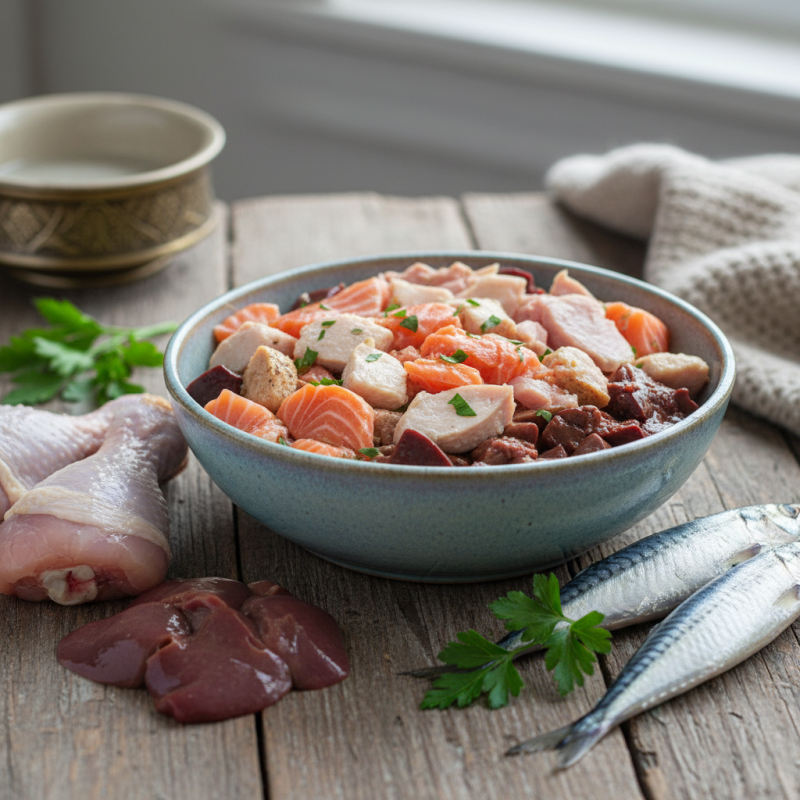
Research indicates that senior cats benefit from animal-based proteins. These include chicken, turkey, and fish. These proteins are easily digestible and provide essential amino acids. Additionally, organ meats like liver offer vital nutrients that promote overall health. However, not all protein sources are created equal. It's essential to avoid overly processed options, as these can lack nutritional value.
Understanding what are the best protein sources for senior cats is vital for their diet. Each cat may have unique preferences and needs. Some may thrive on specific protein types, while others may require a more varied diet. Observing your cat's response to different proteins can provide insight into their preferences and tolerances. This personalized approach can lead to better health outcomes for your aging feline friend.
Best Protein Sources for Senior Cats in 2026
As your cat ages, their protein needs change. Senior cats require high-quality protein to maintain muscle mass and overall health. A diet rich in animal-based proteins is essential. These proteins are easier to digest and provide important amino acids. Chicken, turkey, and fish are excellent sources, delivering the necessary nutrients.
Some owners might wonder about plant-based proteins. While they can complement a diet, they often lack essential amino acids. Relying too much on them can lead to nutritional deficiencies. Feeding senior cats a balanced diet with appropriate protein levels is crucial. It's a common oversight to underestimate their needs during this stage of life.
Monitoring your cat’s weight and energy is vital. If they seem lethargic, it might signal inadequate protein intake. Regular vet check-ups can help assess their nutritional status. It's important to adapt their diet as they age. Each cat is unique, and their dietary needs may vary, requiring ongoing adjustments.
Understanding the Nutritional Needs of Senior Cats
Understanding the nutritional needs of senior cats is essential for their health. As cats age, their dietary requirements change. They often need more protein to maintain muscle mass. Lean meats and fish can be excellent sources of this protein. However, not all proteins are created equal. It’s vital to ensure seniors receive high-quality, easily digestible protein.
Senior cats may have specific health issues, such as kidney disease or diabetes. These conditions can affect their dietary needs. Consulting with a veterinarian can provide insights into appropriate protein sources. It’s also important to monitor your cat’s weight and energy levels. Sometimes, even with the right diet, seniors may lose weight or become lethargic. Food choices might need to be adjusted accordingly.
Hydration is another crucial aspect that shouldn’t be overlooked. Senior cats are prone to dehydration. Including wet food in their diet can help maintain hydration levels. Additionally, introducing various textures may stimulate their appetite. Ensuring that the food is palatable is key, as some older cats can be picky. Keeping an open dialogue with a vet about nutrition and health can help owners make the best choices for their feline companions.
Top Animal-Based Protein Sources for Elderly Felines
When it comes to senior cats, protein quality is essential. Older felines need easily digestible, high-quality protein sources. Animal-based proteins are often the best choice. They provide the necessary amino acids for maintaining muscle mass and supporting overall health.
Chicken and turkey are excellent options. They are lean meats that are typically well-tolerated. Fish, such as salmon or tuna, offers not only protein but also omega-3 fatty acids. These fatty acids promote joint health and enhance coat condition. Another great source is lamb, known for its rich flavor. It is a good alternative for cats that might be sensitive to poultry.
However, it is vital to monitor their response to these proteins. Some cats develop sensitivities as they age. A gradual introduction can help identify any issues. Not all protein sources fit all senior cats. It's worth experimenting to see what works best for your feline companion. Keep an eye on their energy levels and coat condition. These will indicate whether their diet is meeting their needs.
Plant-Based Proteins: Pros and Cons for Senior Cats
As senior cats age, their dietary needs evolve. Plant-based proteins offer intriguing benefits but also raise concerns. According to a
2023 study published in the Journal of Feline Medicine, plant proteins can provide essential amino acids. However, they may lack some crucial nutrients found in animal proteins.
Senior cats require high-quality protein for muscle maintenance. A 2022 report from the Pet Food Manufacturers Association highlighted that plant-based diets often contain lower digestibility rates. This can lead to gastrointestinal issues in some cats. While legumes and grains can be sources of protein, their amino acid profiles differ significantly from meat.
Additionally, some veterinarians express caution about plant proteins. Some cats may struggle to adapt to a primarily plant-based diet. Not all plant proteins provide sufficient nutrients for aging felines. This disparity prompts pet owners to consider nutritional balance carefully. Consulting a veterinarian can ensure that your senior cat receives a well-rounded diet, addressing both the benefits and drawbacks of plant-based proteins.
Recommended Commercial Cat Foods for Older Cats in 2026
When selecting commercial cat foods for senior cats in 2026, protein quality is paramount. Older cats need more digestible proteins to maintain muscle mass. A report by the American Association of Feline Practitioners suggests that protein should constitute at least 35% of their diet. This ensures they receive adequate nutrients to support their aging bodies.
Look for options that contain named animal proteins, such as chicken or fish. These sources provide essential amino acids. It’s also important that the food includes added taurine, vital for heart and eye health in older felines. Many brands are now focusing on grain-free recipes, which may be easier for older cats to digest.
Quality doesn’t just stop at ingredients. Packaging that maintains freshness is necessary to preserve nutrient integrity. However, not all cat food labels provide clear information. A study by the Pet Food Industry found that 30% of pet owners do not understand nutritional labels. This indicates a need for better education on interpreting cat food labels and ingredient lists. Always verify brands through independent reviews or consult a veterinarian for tailored recommendations.
Homemade Diets: Safe Protein Options for Senior Cats
As senior cats age, their nutritional needs change. Their homemade diets can provide safer and healthier protein options. Research indicates that senior cats benefit from higher protein intake, around 30-50% of their diet. This is crucial for maintaining muscle mass and overall health.
Chicken and turkey are excellent sources of protein. They are highly digestible and rich in essential amino acids. Fish, such as salmon and tuna, can also be added. However, moderation is essential due to potential mercury content. It's worth noting that while homemade diets can be beneficial, they require careful planning. Nutritional imbalances can lead to health issues.
Veterinary experts recommend consulting a nutritionist before making significant changes. They emphasize the importance of incorporating a variety of proteins to avoid deficiencies. While homemade diets allow for customization, they demand time and knowledge. This may not be feasible for all cat owners. Seeking guidance ensures that senior cats receive balanced nutrition tailored to their needs.
FAQS
: Senior cats need protein to maintain muscle mass and overall health. High-quality protein supports their aging bodies.
Chicken, turkey, and fish are excellent choices. They provide essential amino acids and are easy to digest.
Yes, but they often lack essential amino acids. Relying solely on them may cause nutritional deficiencies.
Watch their weight and energy levels. Lethargy can indicate inadequate protein. Regular vet visits are important.
Focus on high-quality, easily digestible proteins. Ensure at least 35% of their diet is protein-based.
Many grain-free options are easier to digest. Look for foods with named animal proteins as the main ingredients.
Taurine is vital for heart and eye health. Foods for older cats should definitely include added taurine.
Many pet owners struggle with nutritional labels. Research shows a significant percentage do not fully understand them.
Good packaging retains nutrient integrity and freshness. Always check if the packaging keeps food safe over time.
As cats age, their dietary needs change. Regular assessments ensure their diet remains suitable for their health status.
Conclusion
In 2026, understanding what are the best protein sources for senior cats is essential for maintaining their health and vitality. As cats age, their nutritional needs change, requiring more easily digestible and high-quality protein to support their overall well-being. Top animal-based protein sources, such as chicken, fish, and turkey, provide essential amino acids vital for muscle maintenance and energy. However, incorporating plant-based proteins can offer additional benefits, though it’s important to weigh their pros and cons carefully.
When considering the diet for elderly felines, numerous commercial cat foods specifically formulated for senior cats are available, ensuring they receive balanced nutrition tailored for their age. Additionally, homemade diets can be a safe option, provided they contain appropriate protein sources and are carefully balanced. Ultimately, ensuring senior cats receive the best protein sources will greatly contribute to their health, longevity, and quality of life.

 Zesty Pet