Cats are wonderful companions, but their health can sometimes raise concerns. One common issue is vomiting undigested food. Pet owners often ask, "why is my cat throwing up undigested food?" According to Dr. Jennifer Coates, a veterinary advisor at PetMD, “Understanding the underlying causes is essential for ensuring your cat’s well-being.”
Vomiting can occur for a variety of reasons. It could indicate dietary issues, such as eating too quickly. Research shows that about 25% of cats may engage in rapid eating, leading to improper digestion and resulting in vomiting. Additionally, some food ingredients may not sit well with certain cats. Monitoring feeding habits can help in diagnosing the problem.
Anxiety and stress may also contribute to this behavior. Interestingly, cats are creatures of habit. Any change in their environment can lead to digestive disturbances. While it’s vital to seek veterinary advice, understanding these factors can empower owners to make informed decisions about their cats’ health. It's crucial to keep a close eye on your feline friend and consider adjustments if they frequently vomit undigested food.
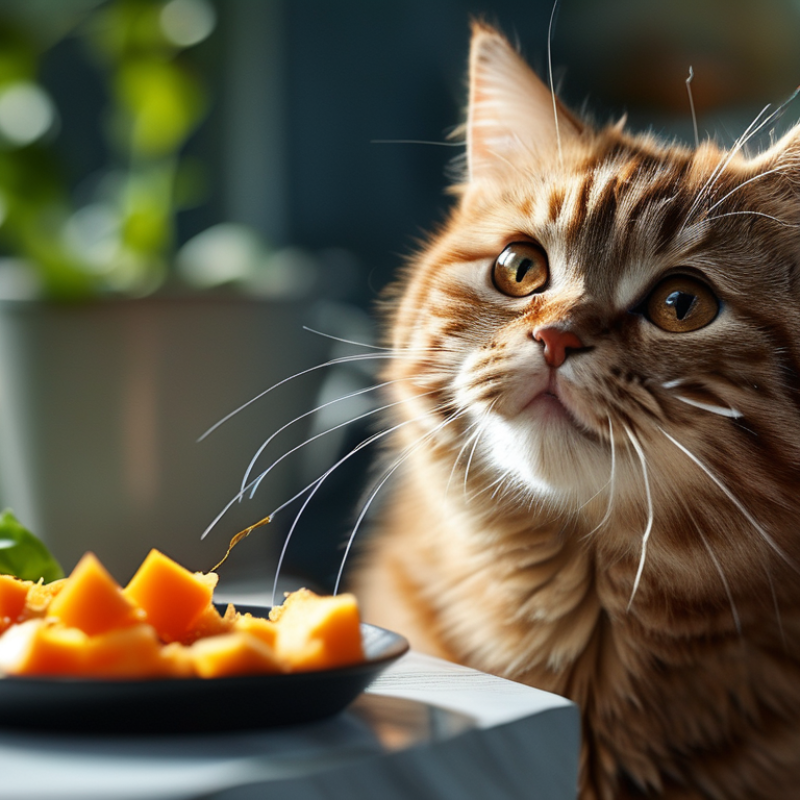
Reasons for Cat Vomiting Undigested Food
Cats vomiting undigested food can be distressing for pet owners. Understanding the reasons behind this behavior is crucial for ensuring your cat’s health. One common factor is eating too quickly. A study showed that 25% of cats exhibit this behavior, leading to regurgitation when food isn’t properly digested. Another reason could be dietary sensitivities or allergies. Similar research indicated that over 15% of cats suffer from food-related issues, causing them to vomit undigested meals.
Age may also play a role. Older cats often have slower digestion, which can lead to issues with food processing. Inadequate dental health can be another factor, affecting how well a cat can chew their food. According to veterinary professionals, gum disease affects nearly 80% of cats by age three. This can make it hard for them to break down their meals properly, leading to vomiting.
Tips: Consider using slow feeder bowls to help your cat eat at a healthier pace. Regular dental check-ups can improve your cat’s overall health. Monitor their diet closely; introducing new foods gradually can prevent unwanted reactions. Understanding these factors may help reduce instances of vomiting and promote a happier, healthier cat.
Common Health Issues Leading to Vomiting
Vomiting in cats can stem from numerous health issues. Common reasons include hairballs, dietary changes, and food intolerances. According to the American Animal Hospital Association, about 30% of cats experience vomiting at least once a month. This percentage is significant and warrants attention from pet owners.
Hairballs occur when cats groom themselves. The swallowed hair can leave their stomachs without breaking down fully. For cats with long fur, this is a frequent problem. Additionally, dietary changes can upset a cat's stomach. Introducing new foods too quickly may lead to digestive issues. Tracking your cat’s eating habits is vital for early detection of problems.
Here are some tips to manage your cat's health:
- Ensure a consistent diet to minimize stomach upset.
- Regular grooming reduces hair ingestion.
- Schedule annual vet check-ups to catch health issues early.
Remember, while occasional vomiting can be normal,
persistent issues should prompt a visit to the veterinarian. Keeping an eye on your cat's behavior is crucial. It helps create a better understanding of their health and needs.
Dietary Factors Contributing to Undigested Food
Diet plays a pivotal role in a cat's health and can directly contribute to the regurgitation of undigested food. Cats are obligate carnivores, meaning their digestive systems are uniquely designed to process animal proteins. If their diet lacks the right balance of nutrients, they may have digestive issues. For example, high-fiber foods can be tough for some cats to break down. This may lead to vomiting.
Another factor is feeding habits. Cats are known to eat quickly, especially if they're hungry. Ingesting food too fast can overwhelm their stomachs. This might force their bodies to reject the undigested food. Dividing meals into smaller portions throughout the day can help alleviate this issue. Additionally, creating a calm feeding environment can encourage slower eating.
Lastly, ingredient quality matters. Low-quality cat food often contains fillers that cats struggle to digest. Look for formulas that emphasize real meat as the primary ingredient. However, not every cat reacts the same way to specific foods. Individual sensitivities vary, so it's essential to monitor your cat's reactions and adjust their diet accordingly. Reflection on these dietary factors is crucial for maintaining your cat's overall health.
2026 Best Reasons Your Cat Throws Up Undigested Food
This chart illustrates the various dietary factors that can lead to cats throwing up undigested food. The data reflects common contributors observed in feline diets.
Behavioral Reasons for Vomiting in Cats
Cats may vomit undigested food for various reasons, including behavioral factors. Stress can play a significant role. Cats are sensitive creatures. New environments, loud noises, or changes in routine can trigger anxiety. When a cat is stressed, it might eat too quickly. This leads to vomiting.
Another reason is poor eating habits. Cats are instinctually trained to eat in the wild. They seldom experience the competition for food. Indoor cats, however, may overeat or rush through meals. This inconsistency can upset their digestive systems. Sometimes, a cat may not feel well. If they associate food with discomfort, they might eat greedily.
It's essential to observe your cat's behavior. Are they eating too fast? Do they seem anxious? Noticing these signs can guide you to solutions. Feeding smaller portions may help. A calm environment during meals can be beneficial too. It’s important to address these issues before they lead to more severe health problems.
2026 Best Reasons Your Cat Throws Up Undigested Food
| Reason |
Description |
Prevention/Tips |
| Eating Too Quickly |
Cats may vomit undigested food if they eat too fast, leading to overeating. |
Use slow feeder bowls to encourage slower eating. |
| Food Allergies |
Some cats may have allergies to certain ingredients, causing digestive upset. |
Consult with a veterinarian to identify and eliminate allergens. |
| Diet Change |
Switching food brands or types too quickly can upset a cat's stomach. |
Introduce new food gradually over a week. |
| Stress or Anxiety |
Changes in environment or routine may stress cats, leading to vomiting. |
Maintain a stable environment and provide safe spaces for your cat. |
| Hairballs |
Cats groom themselves often, and ingested hair can result in hairballs. |
Regular grooming and special hairball control foods can help. |
When to Consult a Veterinarian for Vomiting Issues
Vomiting in cats can be a concern for pet owners. It is important to know when to consult a veterinarian. If your cat regularly throws up undigested food, seek professional help. This may indicate underlying health issues. Cats may vomit due to dietary changes, hairballs, or pace of eating. However, persistent vomiting warrants a vet visit.
If your cat shows other symptoms along with vomiting, such as lethargy or diarrhea, it’s time for a check-up. Keep an eye on their behavior and appetite. Changes in these aspects can signal problems that need attention. Documenting the frequency and consistency of vomiting can also help your veterinarian make an accurate diagnosis.
Tips to manage occasional vomiting include feeding smaller meals throughout the day. Slow feeders may encourage your cat to eat more comfortably. Ensuring access to fresh water can also assist in digestion. Regular grooming may reduce hairballs, a common vomiting trigger. Observing your cat’s habits can lead to a clearer understanding of their health needs. Remember, your cat relies on you for care and attention.
Conclusion
Understanding why is my cat throwing up undigested food can be crucial for pet owners. There are several common reasons behind this issue. Health problems such as gastrointestinal diseases, infections, or obstructions can lead to vomiting, while dietary factors like overeating, a sudden change in diet, or consuming low-quality food may also contribute to undigested food being expelled.
Moreover, behavioral aspects such as stress or eating too quickly can further exacerbate the problem. It’s essential for cat owners to monitor their pets closely and recognize when it’s necessary to consult a veterinarian. If vomiting persists or is accompanied by other symptoms, seeking professional advice is crucial to ensure your cat's health and well-being.

 Zesty Pet