When it comes to feline hydration, many cat owners wonder, "why is my cat drinking less water on wet food?" According to Dr. Sarah Haller, a veterinarian with a specialty in feline care, “Cats often get most of their needed moisture from wet food.” This perspective sheds light on the hydration dynamics of cats who eat moist diets.
Wet cat food typically contains about 70-80% moisture. This high water content can diminish the perceived need for additional water. Cats are naturally inclined to drink less when their food is moist. However, hydration needs can vary between individuals. Factors like age, activity level, and health can influence drinking habits.
Despite wet food, some cats might still require extra water. Paying attention to their behavior is crucial. A hydrated cat is usually more active and has a healthier coat. If your cat seems less enthusiastic about drinking water, consider monitoring their wet food intake closely. The connection between diet and hydration is intricate. Exploring this topic can help ensure your furry friend remains healthy and hydrated.
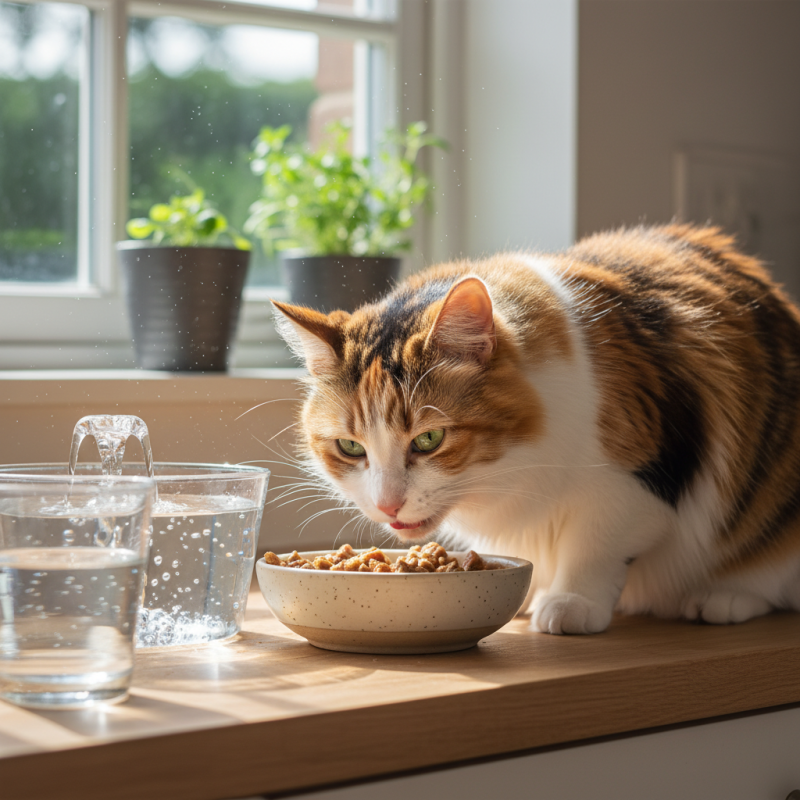
When cats consume wet food, their hydration needs shift. Wet food already contains a significant amount of moisture, which helps meet their daily water intake. This might lead to your feline friend showing less interest in drinking water. It's a natural behavior, but it requires understanding.
Cats are unique in their hydration behaviors. They are designed to obtain water from their food. However, this doesn't mean that they should completely eliminate water intake. Regular access to fresh water is still essential. Observing your cat's drinking habits can be revealing. If they hardly touch their water bowl, it may indicate a preference for wet food moisture or a lack of adequate hydration.
Tips for Encouraging Hydration:
Wet food is popular among cat owners. It offers a higher moisture content than dry kibble. Cats eating wet food often drink less water. This behavior is natural and largely influenced by the hydration level of their diet.
The increased moisture in wet food can meet a significant portion of a cat's hydration needs. However, this doesn't mean they shouldn't drink water. Some cats may still prefer or need more water. It's essential to monitor your cat’s overall water intake to ensure they stay hydrated. Cats can be picky about their water sources, and sometimes they need encouragement to drink.
While wet food provides hydration, individual needs vary. Consider factors like age, activity level, and health. An older cat might need more water than a younger one, regardless of their food. If a cat eats wet food but refuses water, this can be worrying.
Keep an eye on their behavior and consult a vet if needed. Hydration is critical, and each cat's needs are unique.
Wet food can significantly influence a cat's drinking habits. One study published in the Journal of Feline Medicine and Surgery found that cats on wet food diets consume approximately 40% less water compared to those eating dry food. The high moisture content in wet food may reduce their need for additional water intake. This is particularly relevant since hydration is vital for kidney health.
Cats are notoriously finicky about their water. They may prefer fresh, moving water over still water in a bowl. The AVMA suggests a daily water intake of about 3.5 to 4.5 ounces per 5 pounds of body weight. If a cat is eating wet food, this amount may be lower than the general recommendation. Some cats might not drink enough, leading to potential health issues. This reflects a need for vigilant observation of drinking habits.
Observations indicate that many cat owners overlook their pet's water intake when they switch to wet food. It's essential to encourage hydration through engaging bowls or fountains. Regular vet check-ups are vital too. Cats are good at hiding their discomfort. A subtle decline in water intake could signal underlying health issues. Understanding these behaviors allows for better pet care.
This chart illustrates the average daily water intake of cats consuming different types of wet food with varying moisture content. As shown, cats typically drink less water when consuming higher moisture content foods.
Cats on wet food diets often drink less water. This behavior raises concerns among pet owners. Wet food provides moisture, which can reduce the need for extra hydration. However, the question remains: what is the ideal water intake for these felines?
Veterinarians suggest that cats eating wet food should still have access to clean water. Even if they consume moisture-rich food, they can benefit from supplementary hydration. Cats are individuals, and their water needs can vary. Some might require more fluids depending on factors like age, size, and activity level.
Monitoring your cat's drinking habits is essential. If your cat seems less interested in water, observe any changes in behavior. A reduction in water intake can lead to health issues over time. Keep an eye out for signs of dehydration, such as dry gums or lethargy. Adjust their environment to encourage drinking, like using wider bowls or placing water stations in various spots around your home.
| Parameter | Recommendation/Observation |
|---|---|
| Daily Water Intake for Cats | 50-100 ml/kg of body weight |
| Average Water Intake for Cats Eating Wet Food | 20-30 ml/kg of body weight |
| Typical Water Content in Wet Cat Food | 70-80% |
| Common Symptoms of Dehydration | Lethargy, dry gums, loss of skin elasticity |
| Effects of Reduced Water Intake | Kidney issues, urinary tract problems |
| Recommended Additional Water for Cats on Wet Diets | Encourage access to fresh water at all times |
Dehydration in cats can silently worsen their health. When a cat eats wet food, they may drink less water. However, it's essential to monitor their overall water intake. Look for signs of dehydration: dry gums, sunken eyes, or lethargy. A cat’s skin should be supple; if it remains tented when pinched, this indicates dehydration.
Cats often do not express discomfort until conditions worsen. If your cat is less playful or seems unusually tired, these could be red flags. Changes in behavior can indicate underlying issues. Always consult a veterinarian when you notice concerning signs. An expert’s guidance is crucial for your pet's well-being. Regular check-ups help ensure your cat’s hydration aligns with their dietary needs.
: Wet food contains a lot of moisture, reducing a cat's need to drink extra water.
No, always provide fresh water. Cats still need water, even with wet food.
If your cat seems less active or shows disinterest in drinking, it may require more hydration.
Change the water daily, add water to dry food, or use engaging bowls or fountains.
No, hydration needs vary. Age, activity level, and health affect how much water each cat needs.
Some cats prefer fresh, moving water. They can be finicky about their water sources.
While wet food helps, it might not meet all hydration needs. Monitor overall water intake.
Yes, a lack of drinking can lead to health issues. Regular checks are important for your cat’s health.
Look for changes in behavior and energy levels. Subtle declines might indicate hydration issues.
If it causes reduced water intake, it can potentially lead to kidney problems. Always observe your cat closely.
In the exploration of feline hydration, many cat owners wonder, "why is my cat drinking less water on wet food?" This question delves into the relationship between wet food consumption and hydration levels in cats. Wet food contains a significant amount of moisture, which can reduce the need for additional water intake. As a result, cats may rely more on the water content in their food, leading to decreased drinking habits.
However, it's crucial to monitor overall water consumption, as water intake is essential for maintaining a cat's health. Veterinary guidelines suggest observing specific hydration needs based on diet, and recognizing signs of dehydration can be vital. Attention to your cat's behaviors and hydration can help ensure they remain healthy and well-hydrated, even while enjoying their wet meals.

Zesty Pet