China Top 10 Best Protein Sources for Senior Cats?

Time:2026-09-23 Author:Amelia
0%

Choosing the right protein begins with one practical question: what are the best protein sources for senior cats? The answer depends on age, muscle condition, appetite, kidney health, and each cat’s medical history. A glossy label alone cannot provide that answer.

The National Research Council’s Nutrient Requirements of Dogs and Cats identifies protein and essential amino acids as vital for feline maintenance. The 2024 FEDIAF Nutritional Guidelines also emphasize balanced nutrients, digestibility, and appropriate feeding levels. Meanwhile, the 2021 AAFP Senior Care Guidelines recommend regular health checks because aging cats may develop dental, kidney, thyroid, or muscle-related problems.

Dr. Debra Zoran, a veterinary internal medicine specialist, has stated, “Older cats need more protein, not less, unless kidney disease requires another approach.” That advice needs context. It does not mean unlimited meat, salty treats, or unbalanced homemade meals. It means supplying digestible amino acids while protecting the cat’s broader health.

This guide examines ten practical protein sources available in China, including chicken, turkey, rabbit, duck, eggs, fish, and carefully formulated commercial diets. Each option has strengths and weaknesses. Fish may tempt a picky cat, yet frequent use can create nutritional imbalance. Eggs are useful, but they should be cooked and served in modest portions. Rabbit may suit some sensitive cats, but availability and price vary.

There is no perfect list.

A senior cat with chronic kidney disease may need veterinary nutritional guidance before increasing protein. That limitation matters. Food choices should support lean muscle, hydration, appetite, and medical care—not replace them.
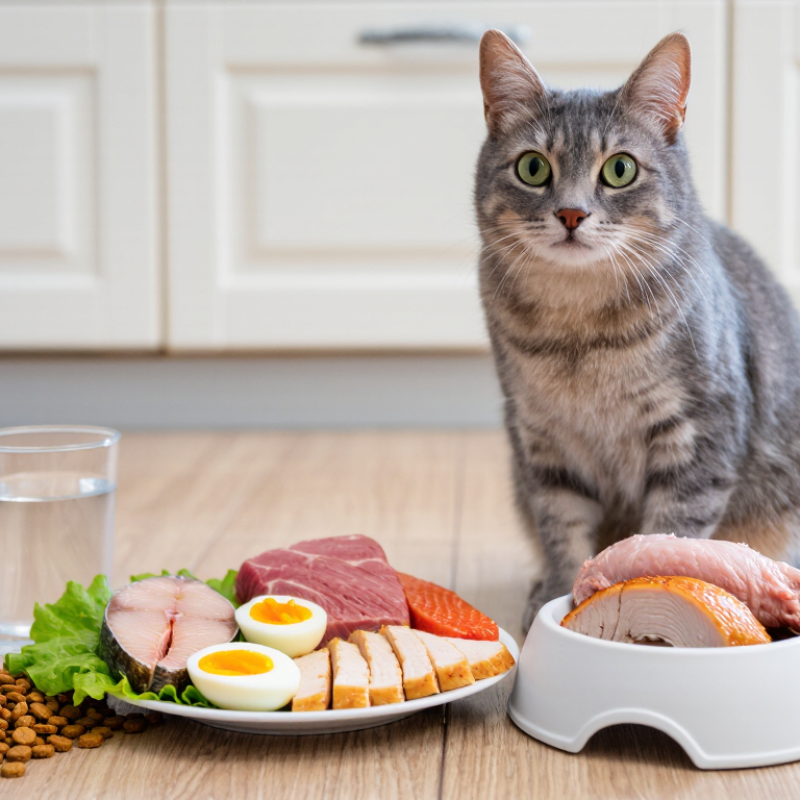
China Top 10 Best Protein Sources for Senior Cats?

Senior Cats’ Protein Needs and Dietary Considerations

Senior Cats’ Protein Needs and Dietary Considerations

Protein becomes more important as cats age. Muscle loss can begin quietly, often hidden beneath a thick coat. The FEDIAF Nutritional Guidelines 2024 set adult-cat protein minimums at 25% of dry matter. This is a baseline, not an ideal target for every senior cat. The National Research Council also emphasizes protein quality, amino-acid balance, and energy density.

A practical senior diet should provide highly digestible animal proteins. Cooked poultry, lean meat, fish, and eggs can supply useful amino acids. Taurine matters too. Cats cannot produce enough taurine without dietary support. Smaller portions may help cats with reduced appetite, while moist food can add valuable water. Watch the bowl, not only the label.

Some older cats need more protein to preserve lean tissue. Others have chronic kidney disease and require carefully managed phosphorus and protein levels. The 2021 AAFP Senior Care Guidelines recommend individualized assessment, including body weight, muscle condition, bloodwork, and dental health. A fixed “high-protein” rule can therefore mislead. This is where advice becomes less tidy. A cat losing muscle may need nutritional support, yet a cat with kidney concerns may need a different plan. Home-cooked recipes also look wholesome but can become nutritionally incomplete without professional formulation. A veterinarian should review persistent weight loss, vomiting, or sudden appetite changes.

How to Evaluate Protein Quality for Aging Cats in China

China Top 10 Best Protein Sources for Senior Cats?

How to Evaluate Protein Quality for Aging Cats in China

Senior cats need protein, but quality matters more than a large number on the label. Look for animal proteins with complete amino acid profiles, especially taurine, lysine, and methionine. Chicken, fish, eggs, and carefully prepared organ meats can provide useful nutrients. However, the source alone does not prove quality.

Check the ingredient list, guaranteed analysis, and feeding instructions together. A food listing 35% protein may contain different amounts of moisture and plant-based protein. Compare dry-matter values when possible. Digestibility also matters. Soft stools, weight loss, or a dull coat may suggest poor tolerance, but these signs can have many causes. Ask a veterinarian for advice, especially if kidney disease is suspected.

In China, choose products with clear manufacturer information, production details, and compliant labeling. Independent laboratory testing offers stronger evidence than marketing language. I once focused too heavily on crude protein percentages. That was too simple. Age, body condition, activity, dental health, and medical history all change the decision. A senior cat eating well may still need a different protein level after bloodwork. Small details matter.

Top 10 Protein Sources for Senior Cats

Top 10 Protein Sources for Senior Cats

Senior cats often need highly digestible protein to support muscles, healing, and daily energy. Good options include cooked chicken, turkey, rabbit, lean beef, and pork. These meats should be plain, boneless, and free from onion, garlic, and heavy seasoning. Chicken breast is gentle on many stomachs, while rabbit can suit cats with food sensitivities. My experience is that small, moist portions are often easier for older cats to manage.

Other useful sources include cooked salmon, sardines, eggs, liver, and kidney. Salmon provides protein and useful fats, but it must be fully cooked and deboned. Sardines should be plain and served occasionally. Eggs offer complete protein when cooked without oil. Liver is nutrient-dense, yet too much may cause vitamin A problems. Kidney also belongs in limited amounts, not as the main meal.

Not every senior cat needs more protein. Cats with kidney disease may require a veterinarian-guided diet, rather than extra meat. This point is easy to overlook. A complete, balanced senior formula is usually safer than homemade meals, which can lack calcium or essential nutrients. Monitor muscle loss, appetite, stool changes, and drinking habits. A veterinary check can clarify whether the cat needs more protein, fewer minerals, or simply softer food.

Safe Preparation and Portion Guidelines for Each Protein Source

Senior cats need digestible protein, not simply more meat. The AAFCO 2024 nutrient profiles set adult cat food at a minimum of 26% crude protein on a dry-matter basis. The National Research Council also stresses amino-acid quality and energy balance.

Good options include chicken, turkey, rabbit, lean beef, lamb, pork, salmon, sardines, cooked egg, and white fish. Serve chicken, turkey, rabbit, beef, lamb, and pork fully cooked, plain, and boneless. Steam or boil them. Salmon, sardines, and white fish should be cooked thoroughly and checked for bones. Egg must be fully set. Avoid onion, garlic, sauces, salty broths, and fatty skin. These ingredients can cause serious problems. Raw diets also carry bacterial risks, especially for older cats.

Portion size needs restraint. Keep extra protein near 10% of daily calories, matching WSAVA treat guidance. A practical start is one teaspoon of cooked meat, then monitor stool, weight, and appetite. A senior cat’s needs vary widely. Cats with kidney disease may require controlled phosphorus and veterinary nutrition plans, not casual protein cuts. The easy mistake is assuming every senior cat needs renal food.

Tips: Weigh food after cooking. Remove visible fat and every bone. Rotate two or three sources, rather than offering all ten. USDA FoodData Central can help compare calories, but its values vary by cut and preparation. I would recheck portions after two weeks, because even careful estimates can be wrong.

China Top 10 Best Protein Sources for Senior Cats

Approximate protein content per 100 g of cooked or drained food. Use these foods only as occasional toppers or treats alongside a complete and balanced senior-cat diet.

Safe Preparation and Portion Guidelines

Protein source Safe preparation Suggested occasional portion*
Chicken breastPlain, fully cooked, skinless, boneless10–15 g
Turkey breastPlain, fully cooked, skinless, boneless; no deli meat10–15 g
Pork tenderloinLean, fully cooked, unseasoned, with all visible fat removed5–10 g
SalmonFully cooked, plain, boneless; avoid smoked or salted fish5–10 g
Canned tuna in waterChoose low-sodium, drain thoroughly; use sparingly5 g
Lean beefFully cooked, lean, unseasoned, without bones5–10 g
ShrimpFully cooked, peeled, deveined, plain; chop into small pieces5–10 g
SardinesPacked in water, low-sodium, drained; remove large bones5 g
CodFully cooked, plain, boneless; avoid battered or fried fish5–10 g
EggFully cooked and plain; never use raw egg1–2 teaspoons

*Starting portions for an average healthy senior cat. Keep extras within about 10% of daily calories, introduce one food at a time, and avoid salt, onions, garlic, sauces, bones, and raw animal products. Cats with kidney, heart, digestive, or other medical conditions should receive individualized advice from a veterinarian.

Choosing the Right Protein Based on Health Conditions

China Top 10 Best Protein Sources for Senior Cats?

Choosing the Right Protein Based on Health Conditions

Senior cats need digestible animal protein, but one choice cannot suit every condition. Useful options include chicken, turkey, rabbit, duck, beef, lamb, pork, salmon, sardine, and cooked egg. Serve meat fully cooked, without bones, onions, garlic, or heavy seasoning. Fish can provide omega-3 fats, yet frequent fish meals may add excess phosphorus or create an unbalanced diet.

For cats with kidney disease, protein quality matters more than simply adding protein. A veterinarian should assess phosphorus, hydration, and blood results before changing meals. Cats with urinary problems often benefit from moisture-rich food and steady water intake. They do not automatically need a low-protein diet. Cats carrying extra weight may need lean poultry or rabbit, with controlled calories. Measure portions carefully. Senior cats with food allergies may respond better to one novel protein, such as rabbit, under professional guidance.

Dental pain changes the practical choice. Soft, moist textures may be easier than dry pieces, but sudden diet changes can cause refusal or stomach upset. I have seen owners blame protein when the real issue was poor chewing or nausea. That mistake is easy to make. Homemade diets also seem simple, but calcium and taurine can become inadequate without formulation support. Observe appetite, stool, coat, and weight weekly, then discuss unusual changes with a qualified veterinarian.

FAQS

Why does protein become more important for senior cats?

Aging cats can lose muscle quietly. A thick coat may hide thinner hips or shoulders. Digestible protein supports lean tissue, but more is not always better.

How much protein does a senior cat need?

Some nutrition standards set adult-cat food near 25–26% protein on a dry-matter basis. This is a baseline, not a perfect target. Age, activity, muscle condition, and illness can change the plan.

Which protein foods are suitable for older cats?

Plain, fully cooked chicken, turkey, rabbit, lean beef, lamb, pork, fish, or egg can work. Remove bones and visible fat. Steam or boil the food. Keep egg fully set.

How much extra cooked meat can I offer?

Start with about one teaspoon of cooked meat. Keep extras near 10% of daily calories. Watch stool, weight, and appetite for two weeks. My estimate may still be wrong.

Should senior cats eat raw meat?

Raw diets can carry bacterial risks, especially for older cats. Cook meat thoroughly instead. Avoid onion, garlic, sauces, salty broth, fatty skin, and uncooked bones.

Do cats with kidney disease need less protein?

Not automatically. Kidney concerns may require controlled phosphorus and carefully planned protein. A cat losing muscle may need nutritional support. Ask a veterinarian before changing the diet.

Can homemade meals provide complete nutrition?

They can look wholesome but still miss taurine, minerals, or balanced amino acids. Professional formulation is safer. Meat alone is incomplete.

What signs suggest a senior cat needs dietary assessment?

Persistent weight loss, vomiting, sudden appetite changes, or visible muscle loss deserve veterinary review. Check dental health too. Watch the cat, not only the label.

Conclusion

Senior cats need high-quality, easily digestible protein to help preserve muscle, support immune function, and maintain healthy aging. When considering what are the best protein sources for senior cats, focus on complete amino acid profiles, moderate fat, freshness, and suitability for the cat’s individual health needs. Good options may include cooked chicken, turkey, lean beef, rabbit, eggs, salmon, white fish, sardines in water, cottage cheese in small amounts, and nutritionally balanced senior cat food. Protein quality should be evaluated alongside moisture content, mineral levels, digestibility, and any veterinary dietary recommendations.

All animal proteins should be thoroughly cooked, served plain, and free from bones, seasoning, sauces, and excessive oil. Portions should remain small and be introduced gradually to prevent digestive upset. Cats with kidney disease, diabetes, obesity, food allergies, or other medical conditions may require customized protein choices and controlled phosphorus or calorie intake. A veterinarian can help create a safe, balanced feeding plan that supports both nutrition and long-term health.

Amelia

Amelia

Amelia is a seasoned marketing professional with a wealth of expertise in our company’s core offerings. With an unwavering passion for driving growth and innovation, she plays a pivotal role in shaping our marketing strategies and enhancing brand visibility. A key aspect of her responsibilities......