How to Choose Grain Free Dog Food and Its Benefits?

Time:2026-08-09 Author:Aria
0%

Choosing the right dog food can be overwhelming. Many owners wonder, "what are the benefits of grain-free dog food?" According to a report by the Association of American Feed Control Officials (AAFCO), grain-free options have gained significant popularity. They suggest that these foods might support better digestion and lead to healthier skin for some dogs.

Dr. Lisa Weeth, a veterinary nutritionist, emphasizes, "Grain-free diets can benefit dogs with specific sensitivities.” These diets eliminate grains like wheat and corn. This can help dogs who experience allergies or digestive issues. However, there are concerns too. Not all dogs respond positively to grain-free options. Some may face health risks, particularly if the diet lacks variety.

Experts recommend consulting a veterinarian to tailor a diet for your dog's needs. Grain-free does not mean better for every dog. Individual responses can vary widely. It's crucial to monitor your dog’s health closely when making any diet changes. The right choice requires consideration and understanding.
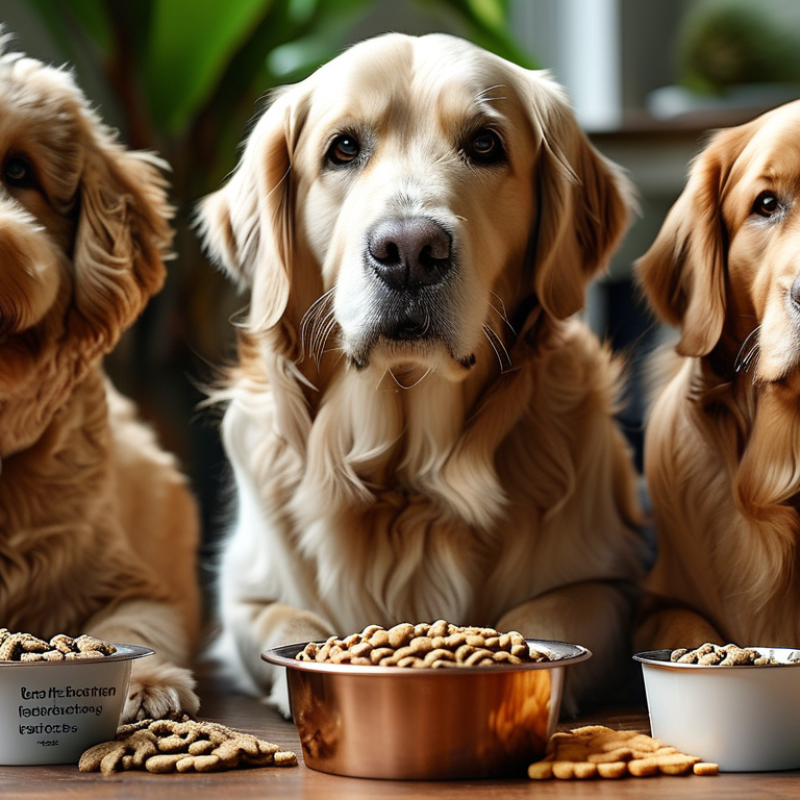
How to Choose Grain Free Dog Food and Its Benefits?

Understanding Grain-Free Dog Food: What Is It?

Grain-free dog food has gained popularity among pet owners. But what exactly is it? Essentially, this type of food doesn't contain wheat, corn, or other grains. Instead, it often features high-protein ingredients like meat and vegetables. Many believe that grain-free diets mimic what dogs would consume in the wild. This aligns with the belief that natural diets can lead to healthier pets.

Understanding the benefits of grain-free options is crucial. Some dogs may have sensitivities or allergies to grains. This can lead to digestive issues or skin reactions. Grain-free dog food can help alleviate these problems. Additionally, high-quality grain-free kibble promotes lean muscle mass. It's packed with nutrients that support overall health. Yet, not all dogs need to avoid grains. Some thrive on grain-inclusive diets. It's important to assess each dog's individual needs. Observing any dietary changes over time is essential. Pet owners should stay informed and consult a veterinarian.

Benefits of Grain-Free Diets for Dogs: Health and Wellness

A grain-free diet can potentially enhance your dog's health and overall wellness. Many experts suggest that some dogs benefit from such diets due to food sensitivities. According to a report by the World Small Animal Veterinary Association, about 10% of dogs experience digestive issues related to grains.

Dogs can thrive on grain-free formulas that focus on high-quality proteins and vegetables. This shift may lead to improved digestion and reduced allergic reactions. Nutritional studies indicate that approximately 25% of dogs show signs of improved energy levels within a few weeks on a grain-free plan. Ingredients like sweet potatoes and peas provide necessary fiber without the allergens that grains sometimes carry.

However, not every dog requires a grain-free diet. Some pets thrive on traditional options. It's crucial to monitor any dietary changes closely. Over time, you might notice increased or decreased interest in food, fluctuations in weight, or changes in coat quality. Consulting a veterinarian before making significant changes is always a wise approach.

How to Choose Grain Free Dog Food and Its Benefits

Nutrient Importance Grain-Free Source Health Benefits
Protein Essential for muscle development and repair Chicken, Lamb, Salmon Supports strong muscles and optimal energy levels
Healthy Fats Provides energy and maintains healthy skin and coat Fish oil, Flaxseed Promotes shiny coat and skin health
Vitamins and Minerals Supports overall health and immune function Vegetables, Fruits Boosts immunity and overall vitality
Fiber Aids in digestion Chicory Root, Peas Promotes healthy digestion and weight management
Antioxidants Protects cells from damage Blueberries, Spinach Supports long-term health and well-being

Key Ingredients to Look for in Grain-Free Dog Food

When choosing grain-free dog food, it's essential to look for key ingredients that support your dog's health. High-quality proteins should be a priority. Look for sources like chicken, beef, or fish. These proteins provide the building blocks for strong muscles and a healthy coat. Additionally, proteins should come from named sources rather than vague terms. This ensures better quality and transparency in the food.

Next, consider healthy fats. Omega-3 and omega-6 fatty acids promote a shiny coat and healthy skin. Ingredients like fish oil or flaxseed are excellent options. They also support brain health. Vegetables and fruits are vital as well. Sweet potatoes, peas, and blueberries offer necessary vitamins and minerals. These ingredients add fiber, aiding in digestion, which is often overlooked.

However, not all grain-free options are perfect for every dog. Some dogs may have sensitivities to certain proteins or fats. It's crucial to observe your pet’s reaction to new foods. If they show signs of digestive issues, reevaluation may be required. Feeding grain-free should be based on individual needs rather than trends. Always consult a veterinarian for personalized advice tailored to your dog's health and lifestyle.

How to Transition Your Dog to a Grain-Free Diet

Transitioning your dog to a grain-free diet can be a rewarding process. Start slowly by mixing grain-free food with your dog's current diet. This helps their digestive system adjust without causing discomfort. Gradually increase the amount of grain-free food over a week. Pay attention to your dog's reactions during this time.

Monitor your dog for any changes in behavior or digestion. Some dogs may experience gas or loose stools initially. If this occurs, slow down the transition. Every dog is different, and their needs can vary widely. Consult with a veterinarian for personalized guidance.

The benefits of a grain-free diet can include better skin health and improved energy levels. However, not all dogs need a grain-free option. Ongoing observation is crucial. It’s about finding what works for your pet. Consider keeping a journal of their health and behavior. This can help you identify what suits them best.

Benefits of Grain-Free Dog Food

Common Myths and Misconceptions About Grain-Free Dog Food

Grain-free dog food has gained popularity in recent years. However, common myths still surround it. Many owners believe that grain-free diets are inherently healthier. In reality, research shows that grains can be a source of essential nutrients. A study by the Association of American Feed Control Officials indicates that many grains like rice and barley provide fiber and energy.

Another misconception is that grain-free dog food prevents allergies. Allergies in dogs often stem from proteins, not grains. The American Veterinary Medical Association reports that most food allergies are related to beef, dairy, or chicken, not grains. Owners should consult with veterinarians before making dietary changes.

Some assume that grain-free diets promote weight loss. While some dogs may benefit, not all grain-free foods are lower in calories. In fact, certain brands of grain-free food can be higher in fat. A nutritional analysis is vital to ensure balanced meals for pets. Pet owners must navigate these misconceptions carefully to make informed choices for their dogs.

FAQS

: What is grain-free dog food?

: Grain-free dog food contains no wheat, corn, or other grains. It includes high-protein ingredients like meat and vegetables.

Why do some dogs require grain-free diets?

Dogs with sensitivities or allergies to grains may have digestive issues or skin reactions. Grain-free diets can alleviate these problems.

Can all dogs benefit from a grain-free diet?

Not all dogs need to avoid grains. Some may thrive on grain-inclusive diets. Assess each dog's individual needs carefully.

How should I transition my dog to grain-free food?

Start by mixing grain-free food with your dog’s current diet. Gradually increase the grain-free portion over a week.

What should I watch for during the transition?

Monitor for changes in behavior or digestion. Some dogs may experience gas or loose stools at first.

Is it necessary to consult a veterinarian before switching diets?

Yes, consulting a veterinarian ensures personalized advice and helps identify any potential issues specific to your dog.

What if my dog has trouble adjusting to the new diet?

If your dog shows discomfort, slow down the transition. Every dog reacts differently. Patience is key during this period.

How can I track my dog's health during the transition?

Keep a journal of your dog's health and behavior. This helps identify what works best for them and any changes that occur.

Conclusion

Grain-free dog food is designed to exclude grains such as wheat, corn, and soy, often opting for alternative carbohydrate sources like sweet potatoes and peas. The primary benefit of this diet lies in its potential to improve the health and wellness of dogs, particularly those with grain sensitivities or allergies. Moreover, many pet owners report that their dogs experience enhanced skin condition, improved digestion, and increased energy levels on a grain-free regimen.

When choosing grain-free dog food, key ingredients to consider include high-quality proteins and wholesome vegetables that provide essential nutrients without unnecessary fillers. Transitioning to a grain-free diet should be done gradually to avoid digestive upset, and it’s important to dispel common myths about these diets, such as the belief that they are inherently better for all dogs. Understanding what are the benefits of grain-free dog food can help pet owners make informed choices that align with their dog's specific dietary needs.

Aria

Aria

Aria is a dedicated marketing professional with a deep passion for innovative strategies and a keen understanding of our company's product offerings. With a wealth of experience in the industry, Aria excels at crafting engaging content that highlights the unique features and benefits of our......