How to Choose the Right Calorie Count for Indoor Cats?

Time:2026-06-13 Author:Aria
0%

Choosing the right calorie count for indoor cats can significantly impact their health. Indoor cats often lead more sedentary lives than outdoor cats. This means they may require fewer calories. It’s essential to understand how to choose the right calorie count for indoor cats to maintain a healthy weight.

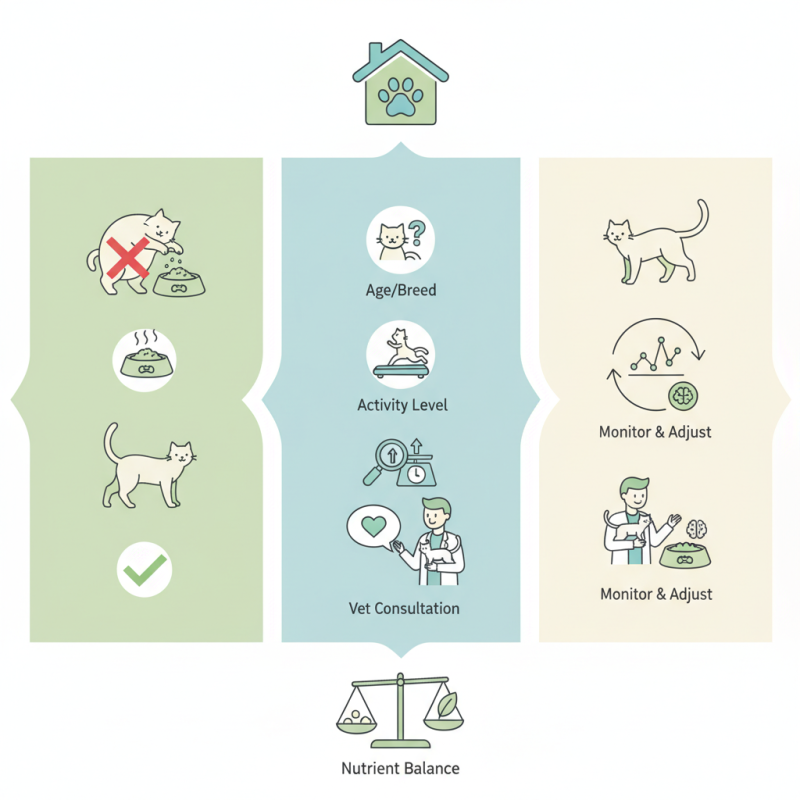
Monitoring your cat’s diet is crucial. Many cat owners may not realize the specific calorie needs vary by age, breed, and activity level. A prescription diet might not always be necessary. Instead, focusing on balanced meals and appropriate portion sizes is vital. It’s easy to overfeed without realizing it.

Consulting with a veterinarian offers more tailored advice. But even with guidance, owners should stay attentive. Continuous monitoring of your cat’s weight and behavior can reveal much. Adjustments may be needed over time, and reflection on feeding practices can lead to better outcomes. Balancing nutrients and calories is not a one-size-fits-all approach.
How to Choose the Right Calorie Count for Indoor Cats?

Factors Influencing Caloric Needs for Indoor Cats

When determining the right calorie count for indoor cats, several factors come into play. One key aspect is the cat's age. Kittens and young cats typically require more calories due to their rapid growth. Adult cats generally need fewer calories, while senior cats may require a different balance based on their health status.

Activity level significantly affects caloric needs. An indoor cat that engages in regular play requires more energy than one that spends most of its day lounging. According to the Association for Pet Obesity Prevention, over 50% of cats in the U.S. are overweight. This highlights the importance of matching calorie intake with activity.

Tip: Make playtime a routine to boost your cat’s activity. Use toys that encourage them to leap and pounce.

Another consideration is body weight. Maintaining an ideal weight is crucial for overall health. Overweight cats may face risks like diabetes and joint issues. Monitoring your cat’s weight and adjusting calorie intake as necessary can help prevent these problems.

Tip: Use a scale to track your cat's weight monthly. Small changes in diet can lead to significant improvements over time.

Keep in mind that each cat is unique. Environmental factors and health conditions can influence caloric needs. Regular veterinary check-ups can provide insights tailored to your cat's specific situation. Taking these elements into account ensures a healthier lifestyle for indoor cats.

Understanding Cat Activity Levels and Their Impact on Calorie Count

Understanding cat activity levels is crucial in determining the appropriate calorie count for indoor cats. Indoor cats typically have lower activity levels compared to their outdoor counterparts. According to the Association for Pet Obesity Prevention, nearly 60% of U.S. cats are overweight or obese. This statistic highlights the importance of monitoring and adjusting calorie intake based on each cat's unique activity levels.

Cats generally fall into three activity categories: low, moderate, and high. Low activity cats may spend much of their day lounging and playing infrequently. In contrast, moderate activity cats engage in regular play but do not exercise vigorously. High activity cats are energetic and require ample stimulation. The recommended calorie count can differ significantly across these categories. For instance, a low activity cat may need around 20 calories per pound of body weight daily, while a high activity cat might require up to 30 calories.

Pet owners must also reflect on their cats' behaviors and habits. An indoor cat's activity can vary with age, health, and lifestyle changes. Regular health check-ups can aid in understanding these dynamics. Owners must remain flexible in adjusting their cats' diets as their activity levels fluctuate. Balancing calorie intake with a cat's activity is essential to maintain a healthy weight and overall well-being.

How to Choose the Right Calorie Count for Indoor Cats?

Cat Activity Level Recommended Daily Calorie Intake Approximate Weight Notes
Low Activity 150-200 kcal 5-10 lbs Ideal for sedentary cats
Moderate Activity 200-250 kcal 8-12 lbs Suitable for playful indoor cats
High Activity 250-300 kcal 10-15 lbs For active and energetic cats
Obese or Weight Loss 100-150 kcal Over 15 lbs Consult a vet for weight management

The Role of Age and Health in Determining Cat Caloric Intake

When determining the calorie intake for indoor cats, age and health play crucial roles. Kittens require around 200-250 calories per day due to their rapid growth. By contrast, adult cats need about 20 calories per pound of body weight. This variation highlights the importance of tailoring calorie counts to individual needs.

Age-related changes can significantly impact a cat's metabolism. Senior cats often become less active and might need fewer calories, approximately 10-15% less than younger adults. However, if a senior cat has specific health issues, such as hyperthyroidism or diabetes, their caloric needs can fluctuate dramatically. It's essential to consult a veterinarian for a personalized plan.

Health conditions also matter greatly. Overweight cats may need a controlled caloric intake, with a general guideline of 80% of their maintenance calories. In contrast, underweight cats may need an increase, sometimes by 20% or more. Regular check-ups and weight monitoring are vital for adjusting calorie counts accurately. A balanced approach will ensure your feline friend leads a healthy, happy life, regardless of their age or health status.

Choosing the Right Food: Calories in Commercial Cat Diets

Choosing the right food for your indoor cat is crucial for their health. Commercial cat diets vary significantly in calorie content. According to the Association for Pet Obesity Prevention, approximately 60% of cats in the U.S. are overweight or obese. This statistic emphasizes the need for careful calorie management in their diets.

Most commercial cat foods contain between 250 to 400 calories per cup. The calorie density can vary widely, depending on the ingredients. Dry foods typically have higher calorie counts than wet foods. For instance, a cup of dry food may have around 350 calories, while a can of wet food might only contain 200 calories. It’s essential to read labels carefully and compare options.

Portion control is key. If you feed based on instinct or guesswork, it can lead to overfeeding. Many pet owners often underestimate the calorie contributions from treats. It’s suggested that treats should not exceed 10% of a cat’s total caloric intake. This means if your cat needs 200 calories daily, only 20 can come from treats. Monitoring your cat’s weight closely and adjusting food portions accordingly may help prevent obesity. It’s an ongoing process that requires mindfulness and adjustment.

Calorie Intake Recommendations for Indoor Cats

Monitoring Weight and Adjusting Caloric Intake for Indoor Cats

Indoor cats have unique dietary needs. It’s crucial to monitor their weight regularly. This helps identify potential weight gain or loss early. Weigh your cat monthly, using a scale designed for pets. Keeping track of their weight allows for better caloric intake adjustments.

Adjusting caloric intake can be tricky. Each cat's metabolism varies. What works for one might not work for another. Keep an eye on their activity levels. More active cats may need additional calories, while less active ones may require a reduction. Consult with a veterinarian to establish an appropriate caloric goal.

Don’t forget to consider age and health. Senior cats might need fewer calories. Cats with specific health conditions could have different requirements. It’s a constant balancing act. Regularly reassess your cat’s diet and adjust as needed. Remember, it’s about finding what helps your cat thrive.

FAQS

: How many calories do kittens need daily?

: Kittens require around 200-250 calories per day due to rapid growth.

What is the calorie requirement for adult cats?

Adult cats need about 20 calories per pound of body weight.

How does age affect a cat's calorie needs?

Senior cats often need 10-15% fewer calories than younger adults due to decreased activity.

What should I do if my senior cat has health issues?

Consult a veterinarian for a personalized caloric plan if your senior cat has health issues.

How can health conditions affect a cat's calorie intake?

Overweight cats may need 80% of maintenance calories, while underweight cats might need an increase of 20%.

Why is monitoring my cat's weight important?

Regular check-ups and weight monitoring help adjust calorie counts for a healthy lifestyle.

How should I choose cat food regarding calories?

Compare labels; calorie content varies, with dry food usually higher than wet food.

What is the calorie range in commercial cat food?

Commercial cat foods typically contain 250 to 400 calories per cup.

How much should treats account for in a cat's diet?

Treats should not exceed 10% of a cat's total caloric intake.

Can overfeeding be a problem for my cat?

Yes, overfeeding due to guesswork can lead to obesity; portion control is essential.

Conclusion

Choosing the right calorie count for indoor cats requires a nuanced understanding of various factors that influence their caloric needs. Key elements include the cat's activity level, age, and overall health, which all play significant roles in determining the appropriate caloric intake. Indoor cats tend to have lower activity levels compared to their outdoor counterparts, necessitating a tailored approach to their diet.

In addition to assessing the individual needs of the cat, owners should carefully evaluate the calorie content of commercial cat diets. Adjusting food portions based on ongoing weight monitoring is essential for maintaining a healthy weight. By comprehensively considering these aspects, cat owners can effectively learn how to choose the right calorie count for indoor cats, ensuring their pets remain healthy and vibrant.

Aria

Aria

Aria is a dedicated marketing professional with a deep passion for innovative strategies and a keen understanding of our company's product offerings. With a wealth of experience in the industry, Aria excels at crafting engaging content that highlights the unique features and benefits of our......