Understanding the distinction between dehydrated and freeze-dried pet food is essential for pet owners. With the pet food market advancing, ensuring our furry friends receive the best nutrition has never been more crucial. According to a recent report by the American Pet Products Association, 67% of U.S. households own a pet. This underscores the growing demand for high-quality pet food options.
Dr. Jessica Smith, a veterinary nutritionist, emphasizes, "Choosing the right food can significantly impact your pet's health." The key difference lies in their processing methods. Dehydrated food has moisture removed through heat, while freeze-dried food preserves nutrients by using low temperatures. This distinction affects both texture and nutrient retention.
Both options offer convenience for pet owners seeking easy storage and preparation. Dehydrated food requires rehydration before feeding, while freeze-dried products can often be served with minimal preparation. However, the variety and formulation may lead to confusion. Many owners wonder, "what is the difference between dehydrated and freeze-dried pet food?" A clearer understanding will empower pet owners to make informed decisions regarding their pets' diets.
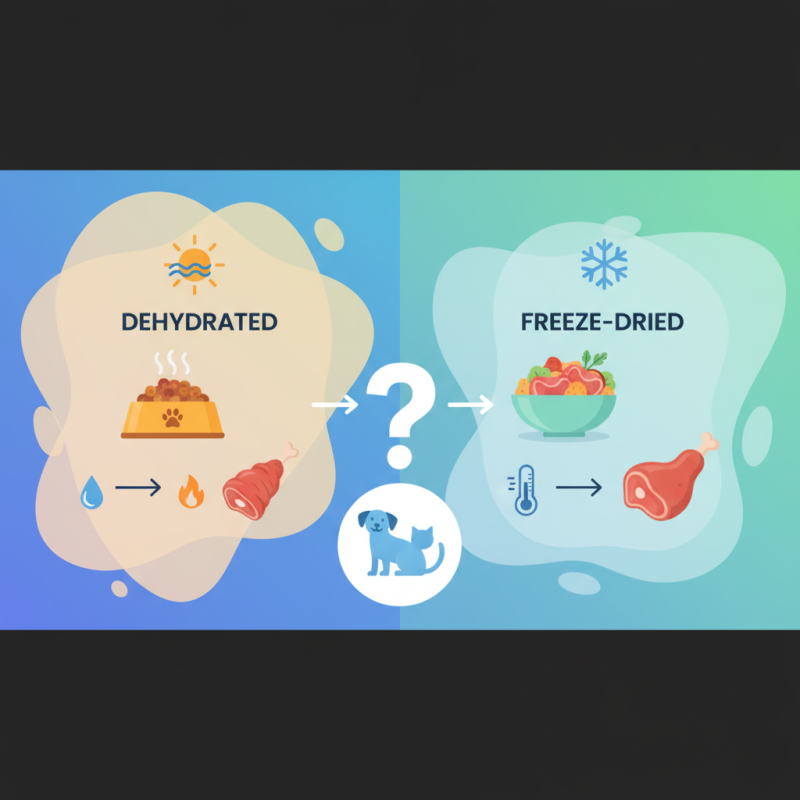
Dehydrated pet food is gaining popularity among pet owners. It is made by removing moisture from raw ingredients, preserving their nutritional value. The process typically involves heating the ingredients and then using methods like air drying or vacuum drying. This helps maintain essential vitamins and minerals.
A study by the Association of American Feed Control Officials (AAFCO) indicates that nearly 40% of pet owners are considering alternative diets for their pets. This includes dehydrated options. Interestingly, dehydrated pet food retains most of its nutrients, making it a viable choice for many pets.
However, the market is not without challenges. Some consumers hesitate due to concerns about the manufacturing process. The food must be carefully made to prevent nutrient loss. According to research from Pet Food Industry, improper drying techniques can lead to spoilage. Pet owners should ask questions about the production process for better insights.
Understanding the freeze drying process for pet food reveals a meticulous method designed to lock in nutrition. Freeze drying involves removing moisture from food while preserving its nutritional integrity. The process typically begins with cooking, followed by rapid freezing. Then, the vacuum chamber is used to draw out moisture without the need for high heat. This helps retain flavors and nutrients.
Research indicates that freeze-dried pet food can retain up to 97% of the original nutrients. This makes it an excellent choice for pet owners seeking optimal nutrition. The low moisture content also ensures a longer shelf life, often exceeding two years without preservatives. However, there can be challenges; freeze-drying is energy-intensive and can result in variability based on water content at the start.
Pet owners should consider their pet’s needs when choosing food types. While freeze-dried food offers benefits, it may not be suitable for all pets. Some animals may require gradual transitions to avoid digestive issues. Understanding the freeze-drying process helps owners make informed choices for their pets' diets.
When it comes to pet nutrition, understanding the differences between dehydrated and freeze-dried food can significantly affect your furry friend’s diet.
Dehydrated pet food often retains a lot of its original nutrients. The process involves removing moisture, which helps preserve vitamins and minerals. The texture is typically coarser, and it requires adding water before serving. This can be a good choice for pet owners who like customizing their pets' meals.
Freeze-dried food, on the other hand, goes through a more complex process. The food is frozen and then subjected to a vacuum, removing moisture while maintaining its structure and nutrients. This method often retains a higher level of flavor and aroma, enticing pets to eat. However, because it is more delicate, the texture is lighter and can crumble easily.
Both types of food offer unique benefits and have their drawbacks. Dehydrated food might require preparation time, while freeze-dried food can be easier to serve. But sometimes, pets may not enjoy the rehydrated texture of dehydrated meals. It’s essential to monitor your pet's response to see which option truly meets their needs. Each method has merits, yet personal preferences may vary.
When it comes to pet food, understanding shelf life and storage can be crucial. Dehydrated and freeze-dried foods differ significantly in these areas.
Dehydrated foods have a longer shelf life, usually lasting 1 to 3 years when stored correctly. They require water to rehydrate before feeding. This makes storage easy, as they don’t need refrigeration.
In contrast, freeze-dried pet foods maintain their structure and nutrients. Their shelf life often reaches up to 2 years without rehydration. However, once opened, they should be consumed within a short period for optimal freshness. Both types need to be kept in a cool, dry place, away from sunlight and moisture.
Tips: Store pet food in airtight containers. This prevents moisture from affecting its quality. Always check expiration dates before feeding your pet. Familiarize yourself with the signs of spoilage, like off smells or unusual textures.
Reflect on how quickly your pet consumes its food. Be vigilant about selecting the right storage method that suits your pet’s consumption rate.
The cost difference between freeze-dried and dehydrated pet food is striking. Freeze-dried food often comes at a premium, typically costing 30%-50% more than its dehydrated counterparts. This higher price reflects the intricate freeze-drying process. It preserves nutrients better and requires no preservatives, offering a clean alternative for pet owners. Yet, many pet owners question if such an investment is justified.
According to Pet Food Industry reports, the freeze-drying process retains up to 97% of nutrients. In contrast, dehydration can result in nutrient loss of 15%-20%. Therefore, while freeze-dried options are pricier, they may provide better nutritional value. However, the question remains: will your pet notice the difference? Some pets may not prefer the texture or taste of freeze-dried food, leading to food waste and added costs.
Interestingly, consumer surveys indicate that 66% of pet owners express concern over cost rather than nutrition. This poses a dilemma. A premium price point does not always guarantee a pet's preference or well-being. It’s essential to weigh the financial commitment against your pet’s unique needs and preferences.
: Dehydrated pet food involves removing moisture from raw ingredients. This helps preserve their nutritional value.
The process includes heating ingredients, followed by methods like air or vacuum drying.
It retains most nutrients, making it a viable diet for many pets.
Yes, some hesitate due to worries about the manufacturing process and nutrient loss.
Freeze drying removes moisture while preserving nutritional integrity and flavor.
It can maintain up to 97% of original nutrients, making it highly nutritious.
It can last over two years without preservatives due to low moisture content.
No, some pets need gradual transitions. It may not suit every animal's digestive needs.
No, variability can occur based on the starting water content during processing.
Owners must assess their pet’s unique needs and be aware of potential digestive issues.
In exploring "what is the difference between dehydrated and freeze-dried pet food," it's essential to first understand the production processes involved. Dehydrated pet food is made by removing moisture through heat, while freeze-dried food undergoes a more complex process where moisture is removed at very low temperatures, preserving more nutrients.
Nutritionally, freeze-dried options generally retain a higher vitamin content compared to their dehydrated counterparts. Additionally, when considering shelf life and storage, freeze-dried pet food often has a longer shelf life due to its lower moisture content. However, this comes with a higher price tag, leading to a cost analysis that weighs the benefits of nutrient retention and longevity against affordability. Ultimately, pet owners should evaluate their priorities when deciding between the two types of pet food.

Zesty Pet