Many cat owners frequently ask, "why does my cat only eat cat strips?" This common concern often arises from the observation of picky eating behaviors in our feline friends. Dr. Sarah Thompson, a renowned veterinarian and feline nutrition specialist, notes, "Cats can develop food preferences based on texture and flavor, which can limit their diet."
Understanding your cat's eating habits is crucial. If your cat is fixated on cat strips, it might not be getting the balanced nutrition it needs. A diet solely consisting of treats can lead to health issues over time. Encouraging your cat to explore a variety of foods can be a rewarding yet challenging task.
Consider trying different textures or flavors, such as wet food or premium kibble. Experimenting with interactive feeding toys may also stimulate your cat’s interest in diverse meals. Reflecting on your cat's past experiences with food can offer insights into their current preferences. Ultimately, patience and creativity will be key in expanding your cat's diet beyond just strips.
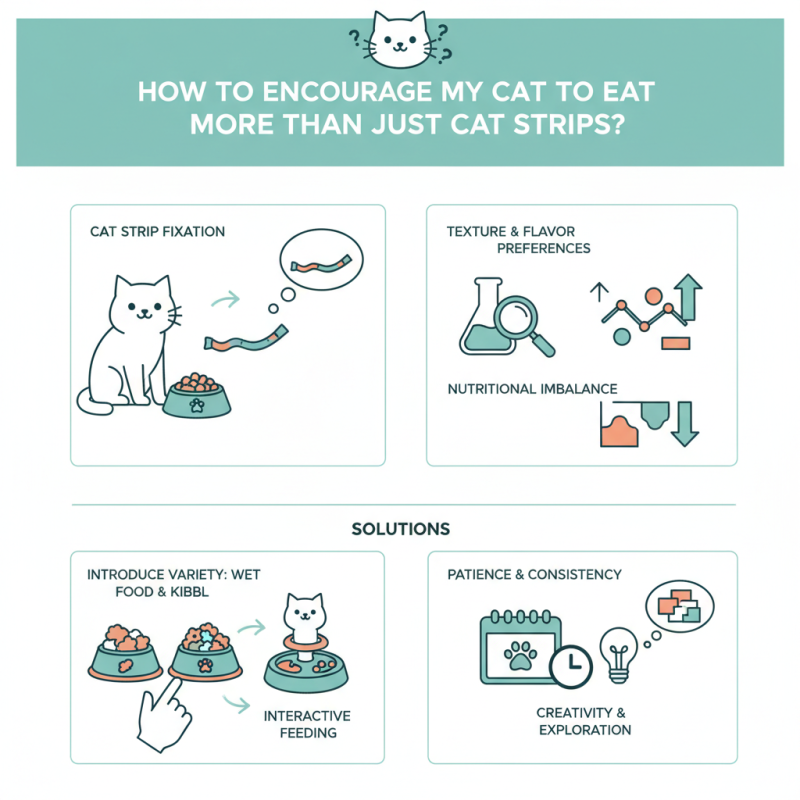
Understanding your cat's nutritional needs is essential for their overall health. Cats are obligate carnivores. This means their diet must be rich in animal proteins. Focusing solely on treats like cat strips can lead to nutritional imbalance. High-quality protein sources should be prioritized in their meals.
Consider varying your cat's diet. Mixing wet and dry food can stimulate interest. Cats often prefer food with strong aromas and appealing textures. Adding small amounts of cooked meat or fish can enhance palatability. However, ensure these additions are safe and appropriate. Monitoring your cat’s reactions to new foods is crucial. Some cats may not adjust well to sudden changes.
Another aspect to reflect on is their feeding routine. Cats thrive on consistency. Regular meal times can foster better eating habits. In some cases, anxiety or stress might impact your cat's appetite. Providing a calm environment during mealtime is vital. Observing your cat and adjusting as needed can greatly improve their diet and health.
Cats often have specific preferences when it comes to food. The challenge many pet owners face is getting their cats to eat more than just cat strips. To encourage a more varied diet, start by exploring different types of cat food options. Canned food, dry kibble, and raw diets can provide essential nutrients. Experimenting with textures can also make a difference. Some cats prefer soft food, while others enjoy crunchy bites.
Introducing new flavors can be a playful experience for your cat. Try rotating between different proteins like chicken, fish, or turkey. You can even combine foods to spark interest. Adding a small amount of wet food to dry kibble can entice picky eaters. Watch for signs of appreciation, such as sniffing or even pawing at the food. But it's essential to consider your cat's individual tastes and health needs.
You may face challenges in this process. Your cat might reject new foods initially or show no interest. It’s important to remain persistent but patient. Gradual changes often yield better results than sudden shifts. Keeping a diary of your cat's reactions can help identify what works. Pay attention to their overall health and adjust according to their preferences. This process takes time and requires your understanding and diligence.
| Food Type | Nutritional Benefits | Suggested Serving Size | Flavor Variety |
|---|---|---|---|
| Dry Kibble | High in carbohydrates, promotes dental health | 1/4 to 1/2 cup daily | Chicken, Salmon, Tuna |
| Wet Food | High moisture content, rich in proteins | 1 can (5.5 oz) daily | Beef, Turkey, Seafood |
| Raw Diet | Natural nutrients, promotes healthy coat | 1/2 lb daily | Chicken, Rabbit, Liver |
| Freeze-Dried Food | Retains nutrients, easy to store | 1/4 cup rehydrated | Fish, Duck, Venison |
| Homemade Meals | Customization of ingredients, fresh food | Varies based on recipe | Variety based on chosen ingredients |
When considering your cat's diet, incorporating wet food can significantly boost their overall nutrition. Studies show that a wet food diet can increase hydration levels by up to 20% in cats. Many cats prefer the moisture-rich texture of wet food, which can lead to improved appetite and interest in meals.
Tips: Start slowly by mixing wet food with dry food. Gradually increase the ratio to help your cat adjust.
The shift to wet food can address some health issues. Cats eating solely dry food may face risks like urinary tract problems or obesity. According to veterinary research, a diet that includes wet food can help manage these conditions effectively. Ensuring your cat receives enough protein and hydration is crucial.
Tips: Experiment with different flavors and textures. Cats can be picky, so variety can spark their interest in eating.
Also, serving food in a puzzle feeder can engage your cat mentally. This can help break the monotony if they are used to just cat strips. Observing your cat's preferences will guide you in creating a balanced diet that suits their tastes.
Cats can be picky eaters. If your feline friend prefers cat strips over other food, it’s important to introduce variety. One effective method is to use cat treats to make their meals more appealing. Choose treats that are rich in flavor and texture. This can entice your cat to explore different types of food.
Mixing treats with their regular meals can encourage them to eat more. Crush a few treats and sprinkle them on wet food or dry kibble. This added texture can keep mealtime interesting. Experiment with different combinations. It may take time to find what your cat likes best. Patience is key.
Offer treats in moderation to maintain a balanced diet. Too many can upset your cat’s stomach. Observe how your cat reacts to different flavors. Some may love fish, while others prefer poultry. Creating a positive mealtime experience is crucial. Your cat's happiness is a reflection of your efforts.
Creating a positive feeding environment for your cat is essential for encouraging them to explore new foods beyond just cat strips. Studies show that 70% of cats prefer a stress-free space during meals. Ensure your cat's feeding area is quiet, clean, and free from distractions. A calm atmosphere helps cats feel secure, which can encourage them to try different food options.
Tips: Use separate bowls for wet and dry food. This makes it easier for your cat to choose their preferred texture. Try feeding at consistent times each day to build a routine. Cats thrive on schedules, and it can motivate them to eat.
Observing your cat’s behavior can also provide insights. Some cats may feel anxious when their food bowl is near their litter box. Adjusting the space may encourage better eating habits. Experts recommend introducing new foods gradually, mixed with their favorites. This helps cats feel less overwhelmed and more inclined to try what you offer. Remember, patience is key in this process.
: It's essential for their overall health and well-being. Cats are obligate carnivores needing rich animal proteins.
Focus on high-quality protein sources instead of just treats. Nutritional balance is crucial for their health.
Mix wet and dry food. Add small amounts of cooked meat or fish to enhance flavors and textures.
Monitor their reactions. Some cats may need time and gradual introductions to new dietary options.
Cats thrive on consistency. Regular meal times can improve their eating habits and overall comfort.
A quiet, clean space free from distractions helps cats feel secure and encourages exploration of new foods.
Gradually introduce new foods mixed with favorites. Patience is vital in this process, as cats can be cautious.
Check their feeding area. Some cats prefer distance from the litter box and a calm setting during meals.
Yes, separate bowls can help your cat choose their preferred food texture and enhance their dining experience.
It's crucial. Cats may take time to adjust. Observing their behavior can help you adapt your approach effectively.
To address the question "why does my cat only eat cat strips," it’s essential to understand your cat's nutritional needs and preferences. Cats can be finicky eaters, often developing a strong preference for specific textures or flavors, such as the meat strips they may find irresistible. Exploring a variety of cat food options, including dry and wet foods, can provide a more balanced diet and encourage your cat to try new flavors.
Incorporating wet food into your cat's diet can be particularly effective, as its moisture content can entice cats who are typically drawn to drier alternatives. Additionally, utilizing cat treats strategically can enhance meal appeal and make feeding time more enjoyable. Lastly, creating a positive feeding environment plays a crucial role in encouraging better eating habits, ensuring your cat feels safe and relaxed during meals. By implementing these strategies, you can help diversify your cat's diet beyond just cat strips.

Zesty Pet