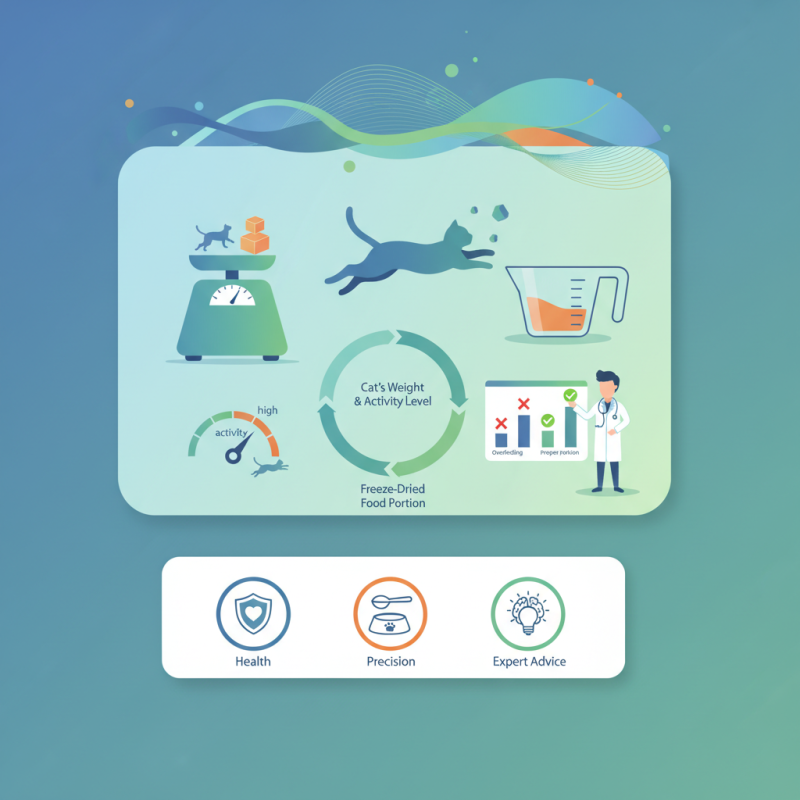
In 2026, pet owners face new challenges in feeding their cats. One emerging trend is freeze-dried food. As more cat owners explore this option, the question arises: how much freeze-dried food to feed a cat? According to Dr. Emily Carter, a veterinarian specializing in feline nutrition, "The right amount of freeze-dried food depends on your cat's weight and activity level."
Understanding these factors is crucial. Cats, like humans, have different dietary needs based on age and health. For instance, an active young cat may require more calories than an older, less active one. Moreover, freeze-dried food can vary significantly in caloric content.
Many owners may overlook the importance of proper portion sizes. Some may assume that a simple scoop is enough. Yet, without precise measurements, it's easy to overfeed or underfeed a cat. This can lead to obesity or nutritional deficiencies. Therefore, knowing how much freeze-dried food to feed a cat requires more than just intuition; it demands careful consideration and expert advice.
Determining the Appropriate Daily Caloric Intake for Your Cat
Determining the appropriate daily caloric intake for your cat is crucial for their health. Each cat has unique dietary needs based on size, age, and activity level. A sedentary cat requires fewer calories than an active one. On average, adult cats need about 20 calories per pound of body weight. For example, a 10-pound cat may need around 200 calories daily.
However, not all calories are created equal. The quality of the food matters greatly. When considering freeze-dried food, remember it often contains concentrated nutrition. It's essential to read the nutritional information carefully. Unlike regular kibble, freeze-dried options may have a different caloric density. Therefore, adjusting portion sizes can be tricky.
Consider monitoring your cat's weight regularly. Weight fluctuations could indicate dietary miscalculations. It's okay to make mistakes, as every cat responds differently. Consulting with a veterinarian can provide tailored advice. They can help you understand your cat’s specific needs. After all, the goal is to keep your feline friend healthy and happy.
Daily Caloric Intake for Cats in 2026
This chart illustrates the recommended daily caloric intake for cats based on their weight and activity level. The data reflects an average guideline for feeding freeze-dried food.
Understanding Freeze Dried Food Composition and Nutritional Value
Freeze dried food for cats has gained popularity, especially for its nutritional benefits. Understanding its composition is crucial. The process removes moisture, preserving nutrients and flavor. This method helps maintain high protein levels and essential vitamins. It's a go-to option for many pet owners. However, it's not perfect. Not all freeze dried products are created equal.
Nutritional value is key. Freeze dried food can contain vital amino acids and enzymes. Cats need these for energy, growth, and overall health. Many products also offer minerals, like calcium and phosphorus. However, some may lack certain nutrients. Knowing this requires careful consideration.
Feeding amounts vary based on a cat’s weight and activity level. Generally, a cat requires a balance of proteins, fats, and carbohydrates. Yet, over-reliance on freeze dried food might lead to deficiencies. Monitoring your cat’s health and adjusting their diet is essential. Regular vet check-ups can help tailor their nutritional needs.
Calculating the Serving Size Based on Your Cat's Weight and Age
Feeding your cat freeze-dried food requires careful consideration of their weight and age. Generally, kittens need more calories than adult cats. A healthy adult cat usually needs between 20 to 30 calories per pound of body weight. If your cat weighs ten pounds, they would need around 200 to 300 calories daily. By contrast, senior cats may require fewer calories due to lower activity levels.
When determining the portion size, always observe how your cat reacts. Some may take time to adjust to freeze-dried food. If your cat seems overly hungry or gains weight, you may need to adjust the serving size. Monitor their body condition and consult with a veterinarian if unsure.
Tips: Always keep your cat hydrated. Some cats may not drink enough water, so hydration is crucial. Consider adding water to freeze-dried food to encourage fluid intake. Remember, transitioning to a new diet can take time, so be patient and adjust servings gradually.
Adjusting Food Portions for Activity Level and Health Conditions
When considering how much freeze-dried food to feed your cat in 2026, it’s essential to tailor portions based on their activity level and health conditions. According to the Association of American Feed Control Officials (AAFCO), the average adult cat requires about 20 calories per pound of body weight daily. However, this can vary significantly. An overweight cat may need fewer calories, while an active cat might require more. Understanding your cat's lifestyle is crucial in determining the right serving sizes.
For cats with specific health issues, such as diabetes or renal disease, calorie intake is often recommended at a different range. Consulting with a veterinarian ensures individualized feeding plans, as they consider overall health and nutritional needs. A study from the Journal of Feline Medicine and Surgery emphasizes how tailored nutrition can enhance a cat’s quality of life.
Tips: Monitor your cat's weight regularly. If they seem to gain or lose unexpectedly, adjust food portions accordingly. Keep a log of their eating habits to share with your vet. This method allows for vital adjustments based on real data. Feeding routines can also contribute to their well-being; stick to consistent meal times to create stability. Remember, it’s not just about the quantity but the quality of nutrition.
How Much Freeze Dried Food to Feed Your Cat in 2026?
| Activity Level |
Health Condition |
Recommended Daily Portion (grams) |
| Low Activity |
Healthy |
30 |
| Low Activity |
Overweight |
25 |
| Moderate Activity |
Healthy |
50 |
| Moderate Activity |
Diabetic |
45 |
| High Activity |
Healthy |
70 |
| High Activity |
Senior |
60 |
Transitioning Cats to Freeze Dried Food: Key Considerations and Tips
Transitioning your cat to freeze-dried food requires careful planning. Cats are creatures of habit. Changing their diet suddenly can cause stress or digestive issues. Gradual introduction is key. Start by mixing a small amount of freeze-dried food with their current diet. Monitor their reaction closely. This can take time and patience.
Observe your cat’s preferences. Some may take to freeze-dried food quickly, while others might resist. If your cat refuses to eat, try different flavors. Texture is also important. Shredded versus whole pieces can make a difference. Keep in mind that not every cat will adapt the same way.
It's essential to consult a veterinarian during this transition. They can provide personalized advice based on your cat's health. Regular check-ups can help monitor your cat’s response to the new diet. Be prepared to make adjustments as needed.
Every cat is unique, and flexibility is crucial in finding what works best.
FAQS
: Consider your cat's size, age, and activity level. Generally, adult cats need about 20 calories per pound.
A sedentary cat requires fewer calories. Adjust their diet accordingly to avoid weight gain.
Freeze-dried food often has concentrated nutrition. Its caloric density may differ from regular kibble, so monitor portions.
Regularly weigh your cat. Weight fluctuations can indicate dietary issues. Adjust their food intake if needed.
Gradually mix it with their current food. Observe their reaction and be patient during the transition.
Hydration is crucial. Some cats don’t drink enough. Add water to freeze-dried food to encourage drinking.
Try different flavors or textures. Some cats may take longer to adapt; flexibility is key.
Yes, a veterinarian can offer personalized advice. Regular check-ups help monitor your cat's response to diet changes.
Yes, mistakes are common. Each cat is unique, and responses vary. Adjustments are part of finding the right diet.
Start slowly and observe their preferences. Patience and gradual changes help minimize stress and digestive issues.
Conclusion
In the article titled "How Much Freeze Dried Food to Feed Your Cat in 2026?", the focus is on determining the right daily caloric intake for your feline friend, essential for ensuring their health and wellbeing. Understanding the composition and nutritional value of freeze-dried food is crucial, as it allows cat owners to gauge how much freeze-dried food to feed a cat based on its specific needs.
The article emphasizes the importance of calculating serving sizes according to the cat’s weight and age, and it also discusses how to adjust portions based on the cat's activity level and any existing health conditions. Lastly, transitioning your cat to freeze-dried food is covered, providing key considerations and tips to ensure a smooth shift in their diet. This guide serves as a comprehensive resource for cat owners looking to provide their pets with balanced nutrition through freeze-dried options.

 Zesty Pet