Is Freeze Dried Pet Food Safe for Kittens in 2026?

Time:2026-08-24 Author:Oliver
0%

As pet owners increasingly explore dietary options, the question arises: is freeze-dried pet food safe for kittens? Industry reports indicate a rapid growth in the freeze-dried pet food market, expected to reach $1.5 billion by 2026. This trend reflects growing consumer trust in freeze-dried products, often perceived as more nutritious and less processed.

However, key considerations remain. Nutritional adequacy is essential for kittens, who require specific nutrients for healthy growth. According to veterinary experts, not all freeze-dried foods meet these needs. Some brands may lack critical vitamins or minerals. Safety is another concern, as improper handling can lead to contamination.

Current research remains limited, and the long-term effects of freeze-dried diets on feline health are still uncertain. Pet owners should consult veterinarians before making dietary changes. As the market evolves, ensuring the safety and completeness of freeze-dried options for kittens is crucial. Thus, the question of "is freeze-dried pet food safe for kittens" demands careful evaluation.
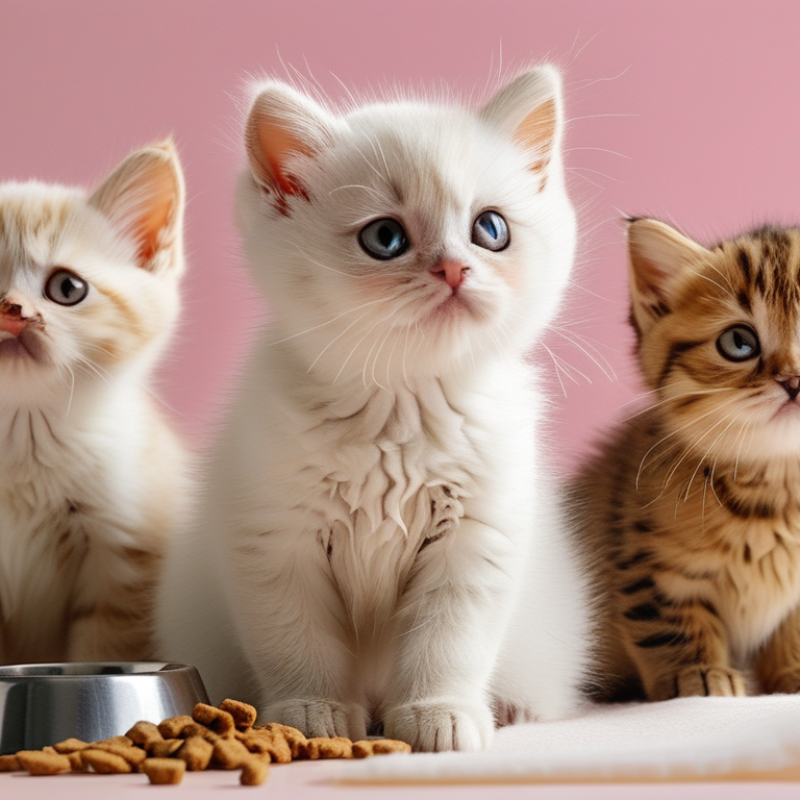
Is Freeze Dried Pet Food Safe for Kittens in 2026?

Understanding Freeze-Dried Pet Food: A Safe Option for Kittens

Freeze-dried pet food has gained popularity in recent years, especially for kittens. This type of food retains nutrients while being easy to store. It is made by removing moisture from raw ingredients. This process helps keep the food lightweight and shelf-stable. Pet owners wonder whether it is safe for their young felines.

Kittens have sensitive stomachs and specific nutritional needs. Freeze-dried food can meet these requirements if formulated correctly. Many products include high-quality proteins, essential vitamins, and minerals. However, not all brands guarantee safety. It's important to choose options that have undergone rigorous testing. Look for products that provide clear ingredient sourcing and safety certifications.

When introducing freeze-dried food to kittens, gradual transition is key. Mix small amounts with their current food. Monitor for signs of digestive issues. Some kittens might be picky eaters, leading to potential waste. Ensure they have access to fresh water, as hydration is crucial. Freeze-dried food can be a safe and nutritious option when selected thoughtfully.

Nutritional Benefits of Freeze-Dried Food for Kittens

Freeze-dried pet food has been gaining popularity for kittens, promising convenience and nutrition. Freeze-drying helps preserve essential nutrients. According to recent studies, this method retains up to 95% of nutrients compared to traditional methods. This makes it a viable option for kitten growth and development, ensuring they receive vital amino acids, vitamins, and minerals.

Kittens need a balanced diet for optimal growth. The high protein content in freeze-dried food is essential for muscle development. A report from the Journal of Animal Nutrition indicates that protein intake is crucial for kittens under six months old. The food also remains lightweight and shelf-stable, making it easy to store and transport.

Feeding freeze-dried food requires careful consideration. It’s essential to properly rehydrate the food according to instructions. Kittens also need a gradual transition from their current diet. A quick switch may lead to digestive upset. Monitor your kitten's reaction to the new food to ensure it's benefiting them.

Be mindful of the sourcing of ingredients in freeze-dried food. Ensure they come from reputable suppliers. The quality of meat used directly impacts nutrition. A study found that higher-quality ingredients correlate with better health outcomes in pets. This aspect reinforces the need to invest time in researching brands and their sourcing practices.

Potential Risks Associated with Freeze-Dried Diets in Young Cats

Freeze-dried pet food is increasingly popular among cat owners. However, caution is crucial when selecting diets for young kittens. Research indicates that kittens have specific nutritional needs during their growth phase. Freeze-dried diets may lack some vital nutrients, such as taurine and essential fatty acids. A 2023 study from the Journal of Feline Medicine and Surgery recommends careful evaluation of freeze-dried options for kittens for this reason.

Another concern is bacterial contamination. While freeze-drying reduces pathogens, it does not eliminate all risks. A report from the American Veterinary Medical Association noted that 30% of raw and freeze-dried pet food samples can harbor harmful bacteria. Kittens, with their underdeveloped immune systems, may be more susceptible to these pathogens. This makes choosing safe sources paramount.

Additionally, some owners may overlook the need for proper hydration. Freeze-dried food requires water to serve as a complete meal. Without adequate hydration, kittens might face urinary issues. Pet nutrition experts advocate for a mixed feeding approach. Combining freeze-dried food with wet options could provide balanced nutrition while minimizing risks. Adopting this strategy reflects a thoughtful consideration of a kitten's well-being.

Expert Recommendations on Feeding Kittens Freeze-Dried Food

When considering freeze-dried pet food for kittens, expert opinions vary. Many veterinarians suggest that freeze-dried options can provide essential nutrients when chosen wisely. However, there are concerns about the rehydration process. Proper hydration is crucial for kittens, and some owners might overlook this step.

It's essential to consult a veterinarian before introducing freeze-dried food. Each kitten has unique dietary needs, and age, weight, and health affect these requirements. Some experts recommend checking labels for protein sources and ensuring the absence of harmful additives. A balanced diet is vital for growth and development at this stage.

Feeding freeze-dried food might be convenient, but it’s not without challenges. Some kittens may refuse it at first. Gradually mixing it with their current diet can help with acceptance. Observing their response is important. If they show any signs of digestive upset, reconsidering this choice is necessary. A thoughtful approach to kitten nutrition encourages healthier growth.

Future Trends in Pet Food Safety Standards for Kittens

In 2026, pet food safety standards will evolve significantly for kittens. As pet owners become more health-conscious, the demand for high-quality nutrition will grow. Enhanced safety protocols will focus on sourcing ingredients and monitoring production processes. This means more transparency for consumers.

Experts predict a rise in freeze-dried food popularity. This method retains nutrients while ensuring a longer shelf life. However, questions around safety will persist. Proper handling and rehydration are crucial. Kittens’ delicate digestive systems require extra care. Educating pet owners about safe preparation will be vital.

Regulatory bodies may implement stricter guidelines. These standards will aim to reduce contamination risks and ensure nutritional adequacy. Nonetheless, challenges remain. Many manufacturers may struggle to meet these new expectations. As a result, consumers will need to stay informed. Understanding labels and certifications will become essential for kitten health. The future of pet food safety hinges on education, compliance, and responsible sourcing.

Future Trends in Pet Food Safety Standards for Kittens (2026)

FAQS

: What is freeze-dried pet food?

: Freeze-dried pet food removes moisture from ingredients, keeping it nutrient-rich and easy to store.

Is freeze-dried food safe for kittens?

Yes, if formulated properly and sourced from reputable suppliers. Choose brands that provide safety certifications.

How should I transition my kitten to freeze-dried food?

Gradually mix small amounts with their current food to avoid digestive issues.

What nutritional benefits does freeze-dried food offer kittens?

It retains up to 95% of nutrients, providing essential proteins, vitamins, and minerals for growth.

Are there any risks associated with freeze-dried diets?

Yes, some freeze-dried foods may lack vital nutrients, such as taurine, and could harbor bacteria.

How can I ensure my kitten stays hydrated while eating freeze-dried food?

Provide plenty of fresh water and consider mixing freeze-dried food with wet options for balance.

Why is proper ingredient sourcing important?

Higher-quality ingredients directly impact your kitten's health and can lead to better nutrition outcomes.

What should I monitor when introducing freeze-dried food?

Watch for any signs of digestive upset and your kitten's overall reaction to the new diet.

Can kittens be picky about freeze-dried food?

Yes, some may refuse it, leading to food waste. Be patient and offer it alongside their preferred foods.

How does freeze-dried food impact a kitten's urinary health?

Insufficient hydration from freeze-dried food can lead to urinary issues; always ensure they drink enough water.

Conclusion

The article titled "Is Freeze Dried Pet Food Safe for Kittens in 2026?" explores the safety and nutritional value of freeze-dried diets for young cats. It begins by explaining the fundamental aspects of freeze-dried pet food, highlighting its potential as a safe option for kittens when carefully handled and prepared. The nutritional benefits are significant, as freeze-dried food retains essential vitamins and minerals, making it an appealing choice for ensuring healthy growth in kittens.

However, the article also addresses potential risks associated with feeding freeze-dried food to young cats, such as the possibility of microbial contamination if not rehydrated properly. Expert recommendations suggest that while freeze-dried food can be beneficial, owners should consult with veterinarians to guarantee a balanced diet. The discussion concludes by looking ahead at future trends in pet food safety standards, emphasizing the need for vigilance and informed choices in the evolving landscape of pet nutrition. Overall, it presents a balanced view on the critical question: is freeze-dried pet food safe for kittens?

Oliver

Oliver

Oliver is a seasoned marketing professional with a wealth of expertise in driving brand awareness and engagement. With a deep understanding of our company's product offerings, he consistently delivers high-quality content that enriches our professional blog. His insights not only shed light on......