When it comes to feeding your kitten, choosing the right food is crucial. Many pet owners are exploring freeze-dried options. A common question arises: is freeze-dried pet food safe for kittens? This inquiry is vital for ensuring that your beloved pet gets a nutritious and safe diet.
Freeze-dried pet food has gained popularity due to its convenience and long shelf life. It retains essential nutrients, appealing to many cat owners. However, there are concerns about its suitability for young kittens. Kittens have unique dietary needs that require careful consideration. Not all freeze-dried products meet these specific requirements.
Some brands claim their freeze-dried formulas are specially designed for kittens. Yet, not every product is the same. Consumers should research ingredients and consult a veterinarian. Weighing the pros and cons of freeze-dried food is essential. While it offers benefits, careful scrutiny can prevent potential risks associated with it.
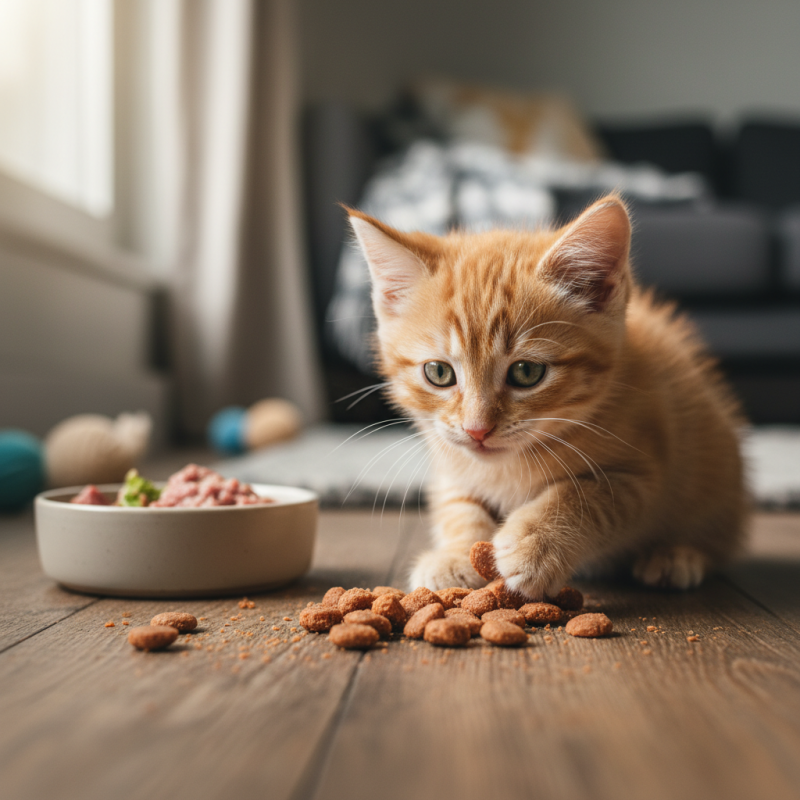
When exploring freeze-dried pet food for kittens, it’s essential to understand its composition and benefits. Freeze-dried food retains nutrients essential for kittens' growth. The process removes moisture while keeping proteins, vitamins, and minerals intact. This method can provide high-quality nutrition in a convenient format; however, the water needs to be added back before feeding.
It is crucial to monitor how your kitten reacts to this type of diet. Some kittens may be hesitant to eat freeze-dried food initially. Transitioning slowly is often recommended. This helps them adjust and ensures they get used to new textures and flavors.
While freeze-dried food can be a safe option, always consult with your veterinarian. Your vet can provide insights tailored to your kitten's specific needs. Not all products are created equal, so understanding the ingredient list is vital. Adopting a mix of feeding options might be necessary to ensure balanced nutrition for your growing kitten.
Freeze-dried pet food offers excellent nutritional benefits for kittens. This form of food retains essential vitamins and minerals crucial for feline growth. Freeze-drying preserves more nutrients than conventional cooking methods. It ensures your kitten gets high-quality protein from sourced meat. This protein supports muscle development, which is vital for young, growing felines.
Kittens also need proper hydration. Freeze-dried food has low moisture content. It’s essential to provide fresh water alongside it. This encourages water intake, supporting healthy digestion and circulation. Always check the food label to ensure it meets AAFCO standards for kitten nutrition.
Tips: Gradually introduce freeze-dried food. Mixing it with wet food can ease this transition. Monitor your kitten’s reaction closely. Some might be hesitant at first. Be patient and allow time for adaptation. Experiment with different textures or flavors to find what your kitten prefers. Remember, a balanced diet is key to their overall health and growth.
The topic of freeze-dried pet food for kittens raises significant safety concerns. Notably, all pet food must adhere to safety regulations. The American Veterinary Medical Association (AVMA) recommends careful ingredient scrutiny, especially for young felines. Kittens have unique nutritional needs, and any inadequacies can lead to developmental issues.
Potential risks include bacterial contamination. A 2021 report by the FDA highlighted that freeze-dried foods could harbor Salmonella or E. coli. These pathogens pose serious risks for both pets and humans. A kitten's immune system is still developing, making them more susceptible to foodborne illnesses. Ensuring proper handling and storage of freeze-dried products is crucial.
Another concern involves balance in nutrition. Many freeze-dried options might lack essential nutrients. A study published in the Journal of Feline Medicine and Surgery discussed the importance of a complete diet for kittens. Insufficient vitamins and minerals might hinder growth and cause health complications. Always consult a veterinarian to assess specific dietary needs for kittens, especially if considering freeze-dried diets.
Choosing the right freeze-dried pet food for kittens requires careful consideration. Kittens have specific nutritional needs. Their growth and development depend on a protein-rich diet. According to a study by the Association of American Feed Control Officials, protein should make up at least 30% of a kitten's diet. Freeze-dried food can offer high protein options, retaining nutrients through the process. However, not all freeze-dried products meet these requirements.
When selecting freeze-dried food, read the label thoroughly. Look for food enriched with vitamins and minerals. A report from the Pet Food Industry indicates that many freeze-dried products lack essential fatty acids like Omega-3 and Omega-6. Kittens need these for brain development. It's crucial to also investigate the source of the meat used. Quality can vary greatly.
Be mindful that freeze-dried options may not always be suitable for all kittens. Some may struggle with digestive issues when transitioning. Gradual introduction is key to prevent upset stomachs. Always monitor your kitten's reaction to the new food. Observing their health and behavior can provide insight into how well they adapt. Make sure to consult with a veterinarian to tailor a diet that best supports your kitten's unique needs.
Transitioning kittens to a freeze-dried diet can be beneficial but requires careful steps. Start by selecting high-quality freeze-dried food specifically designed for kittens. Ensure it contains essential nutrients such as protein, fats, vitamins, and minerals. Kittens are growing rapidly, and their nutritional needs are different from adult cats.
Gradually introduce the new food. Begin with a mix of their current food and the freeze-dried option. Use a ratio of 80% current food to 20% freeze-dried food. Over the next week, gradually increase the freeze-dried portion while decreasing the original food. Monitor their reactions closely. Look for signs of digestive discomfort or lack of interest. This gradual approach helps minimize risks.
Keep hydration in mind. Offer fresh water at all times. Kittens may not drink enough if they primarily eat dry food. It’s essential to prevent dehydration. Also, remember that not all kittens will adapt easily. Some may refuse the new food, while others take to it quickly. Each kitten is unique. Be patient and stay aware of their needs throughout the transition.
: Freeze-dried food retains essential vitamins and minerals vital for feline growth, supporting healthy muscle development.
Gradually mix freeze-dried food with familiar food. Start with 80% old food and 20% freeze-dried to ease the transition.
Freeze-dried food has low moisture. Always provide fresh water to support digestion and prevent dehydration.
Yes, freeze-dried food may harbor bacteria. Always handle and store it properly to minimize safety risks.
Kittens require high-quality protein and balanced nutrients. Inadequate intake can cause developmental issues.
Be patient. Experiment with different textures or flavors. Each kitten adapts at their own pace.
Consult a veterinarian to assess dietary needs and ensure the freeze-dried options provide complete nutrition.
Look for digestive discomfort or lack of interest in the food. Monitor their reactions closely during the transition.
Freeze-dried food can harbor pathogens like Salmonella or E. coli, posing serious health risks for kittens.
Each kitten is different. Be observant and allow time for them to adjust to changes in their diet.
The article "Is Freeze Dried Pet Food Safe for Kittens Best Guide?" explores the safety and nutritional value of freeze-dried food for young felines. It begins by discussing the nature of freeze-dried pet food and its benefits, highlighting how it can support the growth and health of kittens through essential nutrients. While freeze-dried food offers convenience and high-quality ingredients, potential risks and safety concerns must be considered, including proper handling and storage to prevent contamination.
Additionally, the article provides guidance on choosing the right freeze-dried pet food for kittens, emphasizing the importance of reading labels and ensuring a balanced diet. It also addresses how to transition kittens to a freeze-dried diet safely, ensuring a smooth adjustment to their new food. Overall, the content aims to answer the critical question: is freeze-dried pet food safe for kittens, making it a valuable resource for pet owners looking to make informed dietary choices for their young cats.
Zesty Pet