How to mix wet and dry pet food in 2026 is not simply a matter of pouring both foods into one bowl. The proportions affect calories, hydration, digestion, and daily nutrient balance. Dr. Lisa M. Freeman, a veterinary nutritionist at Tufts University, states, “There is no one best diet for every pet.” That principle matters because age, weight, activity, allergies, and medical conditions can change the safest feeding plan.
A practical approach begins with the feeding guides on both labels. Check that each product is complete and balanced for your pet’s life stage. Then reduce the dry-food portion when adding wet food. Do not serve the full recommended amount of both products. That common mistake can quietly increase calories. A kitchen scale helps. So does a clean measuring spoon. For example, replace part of a dog’s dry ration with an equivalent calorie amount of canned food, rather than guessing by volume.
Start slowly over five to seven days. Mix a small spoonful of wet food into the usual kibble, then increase gradually. Watch the stool, appetite, energy, and body shape. Loose stool means the change may be moving too quickly. Pause and ask your veterinarian for guidance. Pets with kidney disease, diabetes, pancreatitis, or food allergies need more careful planning.
Freshness matters, too. Refrigerate opened wet food and discard leftovers left at room temperature. Some pets prefer separate textures. That is acceptable. The goal is not a perfect-looking bowl; it is a nutritionally sound routine that your pet tolerates consistently. Small adjustments may be necessary. You may not get it right immediately. Observe, measure, and rethink the plan when your pet’s needs change.
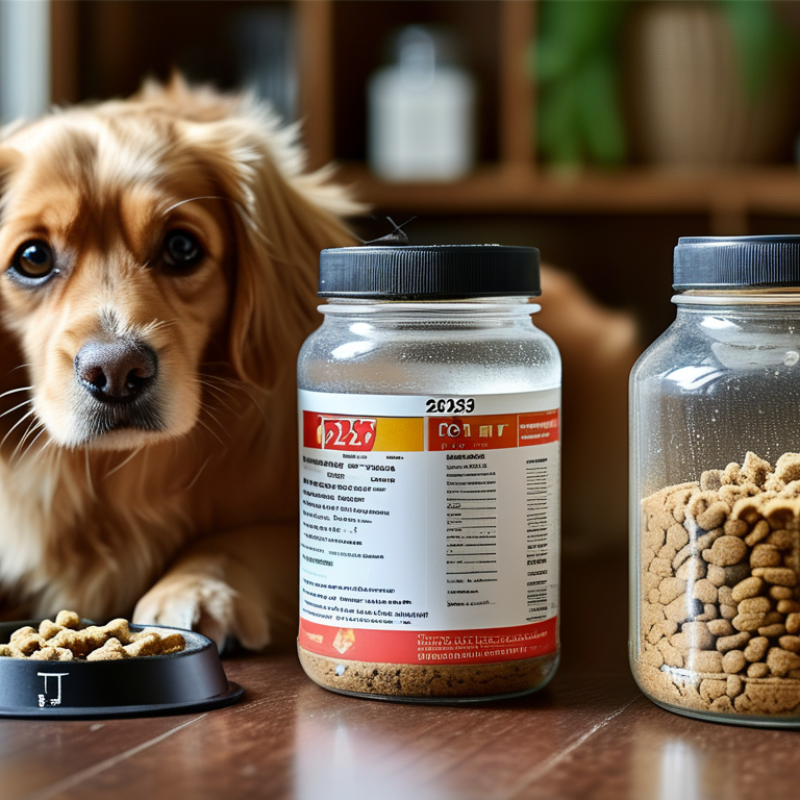
How to Mix Wet and Dry Pet Food in 2026?
Combining wet and dry pet food can offer practical nutritional and feeding benefits. Wet food adds moisture, which may support pets that drink little water. It also provides a softer texture and stronger aroma for selective eaters. Dry food is easier to measure, store, and serve during busy days. Together, they can create a more varied meal without changing the pet’s entire diet.
Check the calorie content, not only the portion size. Wet food contains more water, so equal cups do not provide equal energy. A sensible starting point may be one-quarter wet food and three-quarters dry food, adjusted gradually over seven days. Mix a small spoonful into the usual meal first. Watch stool quality, appetite, weight, and energy. My first mistake was increasing the wet portion too quickly. The result was loose stool. Each pet reacts differently. Pets with kidney disease, diabetes, allergies, or weight concerns need individualized veterinary advice.
Tips: Serve the mixture in a clean bowl and remove leftovers after two hours. Refrigerate opened wet food promptly. Use a measuring scale when weight control matters. Choose foods labeled complete and balanced for the pet’s life stage. Do not assume dry food cleans teeth; regular dental care may still be necessary. If your pet refuses the new texture, try serving the foods separately before mixing them.
Mixing wet and dry food works best when both foods suit the same pet. Check the species, life stage, and “complete and balanced” statement on each label. A kitten, senior dog, and adult cat have different nutritional needs. Their bowls should not be treated alike. Compare calories per gram, because wet food contains much more water. A small wet portion can still add significant calories. Discuss unusual diets with a veterinarian, especially for kidney, urinary, digestive, or allergy concerns.
Compatible foods should use similar protein sources when your pet has a sensitive stomach. If one food contains chicken and the other fish, reactions become harder to identify. Match textures too. A pâté mixed with crunchy pieces may work, while large chunks can frustrate a small-mouthed pet.
Start with a small spoonful beside the usual dry ration. Keep it gradual. Increase the wet portion over seven to ten days, reducing dry food by calories rather than handfuls. That detail is easy to miss.
Watch the bowl, stool, water intake, body weight, and enthusiasm for meals. Loose stool, vomiting, itching, or sudden refusal deserves a pause and professional advice. Refrigerate opened wet food promptly, use clean utensils, and discard food left at room temperature too long. I have seen owners change both foods together, then blame the wrong ingredient. That approach is messy. Keep a simple feeding note for several days. It may reveal that the “perfect” combination is not perfect for this individual pet.
Mixing wet and dry food works best when calories guide the portions. Do not measure equal cups. Wet food usually contains more water and fewer calories by volume. Check each package for kilocalories, often listed as kcal per cup, can, or pouch. Your veterinarian can estimate your pet’s daily energy needs using age, weight, activity, and health status.
For example, suppose your dog needs 700 kcal daily. You choose 60% dry food and 40% wet food. The dry portion provides 420 kcal. If it contains 400 kcal per cup, serve 1.05 cups. The wet portion provides 280 kcal. If it contains 100 kcal per three-ounce can, serve 8.4 ounces.
I once measured equal scoops and accidentally overfed, so I now use a kitchen scale. A tidy 50/50 split is not automatically correct.
Tips: Weigh portions during the first week. Record appetite, stool quality, body shape, and leftover food. Reduce treats from the daily calorie total. Introduce the new mix over seven to ten days. Watch for vomiting, diarrhea, itching, or unusual tiredness. Stop and contact a veterinarian if these signs continue. Recheck portions after weight changes, illness, sterilization, or reduced activity. Labels can differ, and my calculations may need adjustment when recipes or serving sizes change.
How to Mix Wet and Dry Pet Food in 2026?
Mixing wet and dry food can support variety, hydration, and appetite, but the change should be gradual. Start with a small spoonful of wet food beside the usual dry portion. After two or three days, mix it lightly if your pet’s stool remains normal. Increase the wet portion every few days, rather than changing the whole meal overnight. Sensitive pets may need ten to fourteen days. Slow is safer.
Use food made for your pet’s species, age, and health needs. A veterinarian can help check whether the combined calories remain appropriate. Mixing two complete foods may unintentionally cause weight gain. Measure both portions, even when the bowl looks modest. Fresh water should remain available. Clean the bowl after each meal, especially when wet food is included. Refrigerate opened wet food promptly, and avoid leaving the mixed meal at room temperature for long periods.
Watch for loose stool, vomiting, itching, reduced appetite, or unusual tiredness. Stop increasing the new food if these signs appear, and contact a veterinarian when symptoms persist. The first plan may not work. Some pets prefer the foods separated, and that is perfectly workable. A small amount of warm water can soften dry food, but hot water may damage texture and reduce acceptance. Keep a simple feeding note for several days; it can reveal problems that memory misses.
Use this gradual seven-day transition plan when introducing wet food alongside dry food. The percentages represent each food’s share of the daily meal, not equal cup or gram amounts.
Safe mixing tip: Adjust portions by calories rather than volume because wet food contains substantially more water than dry food. Introduce the new mix gradually, keep fresh water available, and slow down if vomiting, diarrhea, or a significant appetite change occurs.
When combining wet and dry food, monitor your pet rather than trusting a fixed feeding chart. Weigh the dry portion with a kitchen scale, then record the wet portion separately. This keeps daily calories clearer, especially when moisture makes the bowl look fuller. Over seven to ten days, watch stool texture, appetite, thirst, energy, and body shape. Healthy stools should be formed, not rock hard. Notice the small changes.
Check your pet’s weight weekly at the same time, ideally before a meal. Run your hands over the ribs; you should feel them beneath a thin fat layer. Sudden weight gain, repeated vomiting, diarrhea, unusual thirst, or tired behavior requires veterinary advice. Dental discomfort can also change eating habits. I once underestimated how quickly treats affected a mixed diet, so include every snack in the daily calculation.
Adjust slowly. Reduce or increase one portion by about five to ten percent, then observe for several days. If stools loosen, return to the last comfortable amount and change more gradually. Older pets, growing animals, and pets with kidney, digestive, or metabolic conditions may need individualized veterinary guidance. Keep fresh water available, refrigerate opened wet food, and discard leftovers left out too long. Feeding plans are not permanent. Your notes may show that the original ratio was simply wrong.
| Data Dimension | Evidence-Based Guidance or Example | How to Apply It | Health Monitoring Indicator |
|---|---|---|---|
| 1. Establish the Daily Energy Target | |||
| Resting Energy Requirement (RER) | RER = 70 × body weight (kg)0.75 | Use this as a starting physiological estimate, not as a guaranteed feeding amount. | Body weight and body condition should be reviewed at least every 2–4 weeks while changing the diet. |
| Illustrative maintenance estimate for an adult dog | A healthy, neutered adult dog may begin near 1.6 × RER; individual needs can be higher or lower. | Adjust according to age, activity, reproductive status, body condition, and veterinary advice. | Energy requirements vary substantially between individual animals, even at the same weight. |
| Illustrative maintenance estimate for an adult cat | A healthy adult cat may begin near 1.2 × RER; indoor, overweight, senior, or highly active cats may need a different target. | Use the food label’s metabolizable energy value and monitor the cat’s weight and body condition. | Weight trend, muscle condition, appetite, stool quality, and activity level. |
| 2. Convert Calories Into Wet and Dry Portions | |||
| Illustrative daily calorie target | 900 kcal/day for a hypothetical adult pet | This is an example for demonstrating the calculation and is not a universal recommendation. | Do not use the example target without checking the individual pet’s needs. |
| Illustrative calorie split | 60% dry food / 40% wet food | Dry-food calories: 900 × 0.60 = 540 kcal Wet-food calories: 900 × 0.40 = 360 kcal |
Choose the split based on preference, hydration goals, budget, dental-care routine, and tolerance. |
| Dry-food conversion | Example label energy density: 380 kcal per cup | 540 ÷ 380 = 1.42 cups/day Divide into the pet’s normal number of meals. |
Measure with a kitchen scale when possible; cup sizes and filling methods can cause variation. |
| Wet-food conversion | Example label energy density: 100 kcal per 100 g | 360 ÷ 100 × 100 = 360 g/day Divide between meals and refrigerate opened food as directed on the label. |
Wet food increases dietary water intake but does not replace access to fresh drinking water. |
| Calorie accounting rule | Replace calories rather than adding a full wet-food portion on top of the usual dry-food ration. | When wet food is introduced, reduce the dry-food amount according to the calories supplied by the wet food. | The total daily calories remain consistent with the feeding plan. |
| 3. Check Nutritional Completeness and Transition Speed | |||
| Life-stage suitability | Select food labeled as complete and balanced for the pet’s species and appropriate life stage. | Confirm that both wet and dry foods are suitable for the same animal and life stage before mixing. | Growth, pregnancy, lactation, or medical conditions may require a specially formulated diet. |
| Transition schedule | Days 1–2: 75% old / 25% new Days 3–4: 50% old / 50% new Days 5–6: 25% old / 75% new Day 7: 100% new, if tolerated |
Use a slower transition of 10–14 days for pets with sensitive digestion or a history of food intolerance. | Monitor stool consistency, vomiting, appetite, gas, itching, and unusual behavior. |
| Food safety | Serve wet food in a clean bowl, follow storage instructions, and discard food left at room temperature for an extended period. | Wash bowls regularly and keep dry food sealed in a cool, dry place. | Sudden refusal to eat, repeated vomiting, or persistent diarrhea warrants veterinary advice. |
| 4. Monitor the Pet and Adjust the Plan | |||
| Body weight | Weigh the pet under similar conditions every 2–4 weeks during adjustment. | Use the same scale where possible and record the result with the date. | A steady trend is more useful than a single measurement. |
| Body Condition Score (BCS) | For the commonly used 9-point system, a score around 4–5/9 is generally considered ideal for many adult pets. | Ribs should be easy to feel with a thin covering of fat; a visible waist is expected in a healthy body condition. | A veterinarian should assess pets that are underweight, overweight, or losing muscle. |
| Adjustment for weight gain | If weight is increasing and the pet is above the desired condition, reduce total calories gradually. | A practical starting adjustment is approximately 5–10%, followed by reassessment after 2–4 weeks. | Do not make repeated large reductions without professional guidance, especially for cats. |
| Adjustment for weight loss | If unintended weight loss occurs, first verify portions, food freshness, appetite, and label calorie information. | Increase calories only after considering activity, illness, dental problems, and digestive issues. | Unexplained weight loss, increased thirst, or increased urination should be discussed with a veterinarian. |
| Treats and extras | Treats, toppers, supplements, and table food contribute calories. | Keep extras to no more than about 10% of daily calories unless a veterinary professional provides a different plan. | Include all extras in the daily calorie record. |
| Hydration and urinary health | Wet food can contribute additional water, but water needs depend on species, climate, activity, diet, and health. | Provide clean water at all times; pets with urinary or kidney conditions need individualized veterinary advice. | Monitor drinking, urination frequency, urine volume, and signs of discomfort. |
| 5. When to Seek Professional Advice | |||
| Higher-risk situations | Consult a veterinarian before changing the diet of a puppy or kitten, pregnant or nursing pet, senior pet, overweight cat, or animal with chronic disease. | Professional guidance is especially important for kidney, liver, gastrointestinal, urinary, endocrine, food-allergy, or dental conditions. | Use a therapeutic diet only when recommended and monitored by a veterinary professional. |
| Urgent warning signs | Repeated vomiting, bloody diarrhea, severe lethargy, breathing difficulty, collapse, or refusal to eat should not be managed only by adjusting food portions. | Contact a veterinarian promptly; cats that stop eating require particular attention because prolonged food refusal can be dangerous. | Health symptoms take priority over the mixing schedule. |
| All calorie amounts and portion calculations above are illustrative examples. Always use the metabolizable energy value printed on the specific food label, calculate wet and dry calories together, and adjust the plan according to the pet’s measured weight, body condition, stool quality, appetite, activity, and veterinary recommendations. | |||
: Wet food adds moisture, aroma, and a softer texture. Dry food is easier to measure and store. Variety can help selective eaters.
Add one small spoonful of wet food beside the usual dry portion. After two or three days, mix lightly if stools remain normal.
Increase it every few days, not overnight. Sensitive pets may need ten to fourteen days. Slow is safer.
Compare calories, not only volume. Wet food contains more water, so equal cups provide different energy.
One-quarter wet food and three-quarters dry food can be a practical starting point. Adjust portions based on weight, appetite, and activity.
Watch for loose stool, vomiting, itching, poor appetite, or unusual tiredness. Stop increasing the new food if signs appear.
Use a clean bowl and remove leftovers after two hours. Refrigerate opened wet food promptly. Keep fresh water available.
Serve the foods separately. Some pets accept separate portions better. A small amount of warm water may soften dry food.
Not automatically. Pets with kidney disease, diabetes, allergies, or weight concerns need individualized veterinary advice.
No. Dry food should not be assumed to clean teeth. Regular dental care may still be necessary.
Learning how to mix wet and dry pet food can offer pets a more varied mealtime experience while combining the convenience of dry food with the moisture and texture of wet food. The key is to choose compatible formulas that suit your pet’s species, age, size, activity level, and health needs. Check the calorie content of both foods and reduce the amount of each accordingly so the combined daily portion does not exceed your pet’s energy requirements.
When deciding how to mix wet and dry pet food, introduce the combination gradually over several days to help prevent digestive upset. Mix measured portions thoroughly, provide fresh water, and keep wet food refrigerated and handled safely. Observe your pet’s appetite, stool quality, weight, energy, and overall comfort after the transition. If problems appear, adjust the proportions slowly or consult a veterinarian. A balanced feeding plan should remain flexible and may need revision as your pet’s needs change.

Zesty Pet