As pet owners, we often notice how our furry friends' coats reflect their overall health. A shiny, vibrant coat is not just about beauty; it's a sign of well-being. According to Dr. Emily Parker, a veterinary nutritionist, "What you feed your pet directly influences the condition of their coat." This insight underscores the importance of balanced nutrition tailored to each pet's needs.
Understanding how to improve a pet's coat with nutrition involves awareness of essential fatty acids, vitamins, and minerals. Ingredients like omega-3 and omega-6 fatty acids can make a significant difference. They help nourish the skin and promote hair growth, but many owners overlook their importance. It's essential to assess your pet's current diet and identify gaps.
Reflection on our pets’ diets can lead to better choices. Are we prioritizing nutrient-dense foods or filling bowls with fillers? A few subtle changes can enhance the coat's health dramatically. By focusing on nutrition, pet owners can take proactive steps toward improving their pets' overall appearance and comfort.
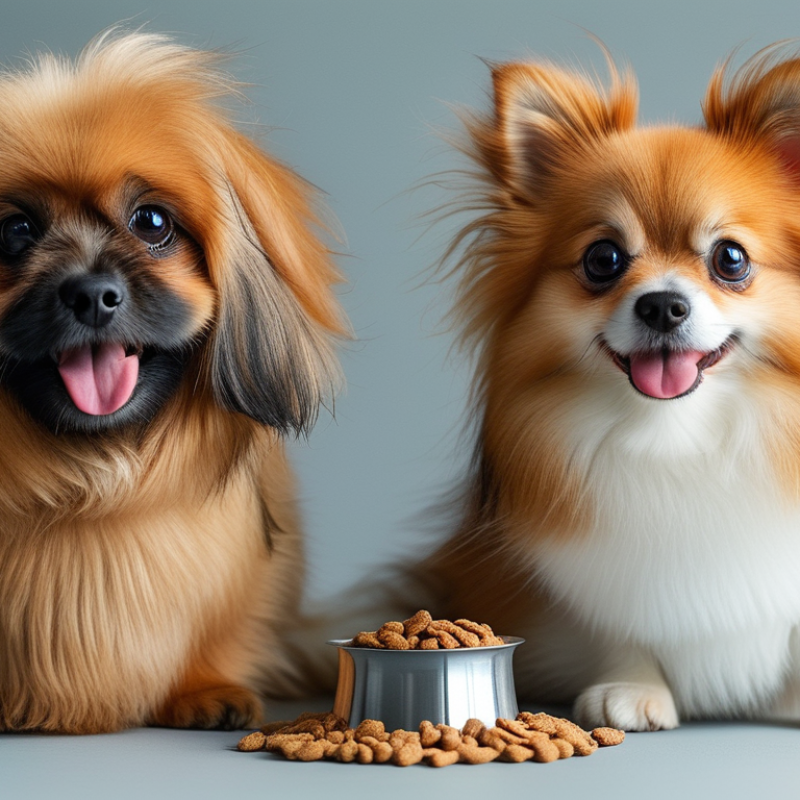
Understanding the Role of Nutrition in Pet Coat Health
A shiny and healthy coat can significantly enhance your pet's appearance. Nutrition plays a crucial role in achieving this goal. Essential fatty acids like omega-3 and omega-6 promote healthy skin and fur. These nutrients help maintain skin moisture and reduce itchiness. Incorporating fish, flaxseeds, or certain oils into your pet's diet can be beneficial.
Protein is another vital component for coat health. It provides the building blocks necessary for keratin, the primary protein in hair. Meat, eggs, and legumes can boost your pet’s protein intake. However, too much protein can strain kidneys, especially in older pets. Balancing this nutrient is vital for overall health.
Fruits and vegetables enrich your pet's diet with antioxidants. These compounds help combat skin issues. Carrots, blueberries, and spinach can support a vibrant coat while aiding immunity. Still, some pets may have sensitivities. Always introduce new foods carefully and observe for any adverse reactions. Understanding your pet's unique needs will lead to a healthier coat and happier life.
Essential Nutrients for a Shiny and Healthy Coat
A healthy coat begins with essential nutrients. Omega-3 and Omega-6 fatty acids are crucial. They work wonders for your pet's skin and coat. These fats help maintain moisture and shine. Fish oil is a good source. You might also consider flaxseed oil as an alternative. Vitamin E is another hero in this journey. It acts as an antioxidant, protecting the skin from damage. These nutrients not only improve appearance but also promote overall health.
Protein is a fundamental building block. It supports hair growth and strength. Ensure your pet's diet includes high-quality protein. Beef, chicken, and eggs are excellent sources. Sometimes, pets may not get enough protein, leading to dull fur. Fiber is also important. It aids digestion and nutrient absorption. A lack of fiber can lead to skin issues and poor coat condition. It's essential to monitor your pet's overall diet.
Pay attention to food changes. Sometimes what seems like a good choice doesn't suit every pet. Some animals have unique dietary needs. Always consider their specific health conditions. Regular vet check-ups can help identify any deficiencies. Tailoring your pet's nutrition makes a significant difference. The results can take time, so be patient. Consistency is key in improving your pet’s coat.
Selecting the Right Pet Food for Optimal Coat Condition
When selecting the right pet food for optimal coat condition, consider the ingredients. Look for high-quality proteins as the primary ingredient. Proteins are vital for healthy fur. Meat sources, such as chicken, beef, or fish, offer essential amino acids. These nutrients help maintain a shiny coat.
Incorporate fatty acids into your pet's diet. Omega-3 and Omega-6 fatty acids boost coat hydration. They can minimize shedding and reduce dandruff. Fish oil is an excellent source, but look for natural options. Remember, a balanced diet is key.
Tip: Gradually introduce new food to avoid digestive issues. Monitor your pet's reactions closely. If you notice itching or dryness, consult your veterinarian. Adjusting your pet's diet may sometimes require trial and error. Each pet is unique, and their nutritional needs can vary. Listen to your pet’s body; it often tells you what works best.
Supplements to Enhance Your Pet's Coat Quality
A well-balanced diet plays a vital role in your pet's coat health. Supplementing their nutrition can significantly enhance the quality of their fur. A study published by the Journal of Veterinary Dermatology confirms that omega-3 fatty acids can improve coat shine and reduce shedding in dogs and cats. These essential fatty acids help maintain skin moisture, reducing dryness and irritation.
Vitamins and minerals are also crucial. Biotin, a B vitamin, is known for its role in promoting hair growth and strength. Research indicates that biotin deficiency can lead to poor coat quality. Zinc is another important mineral that helps in maintaining skin health. A deficiency can result in flaky skin and excessive shedding. It’s essential to consult with a veterinarian to determine the right balance of these supplements for your pet's specific needs.
Many pet owners overlook the importance of hydration in promoting a healthy coat. Water intake influences skin and fur health. Interestingly, even slightly dehydrated pets can show signs of dull fur. Encouraging pets to drink water, especially during warmer months, can improve their coat appearance. Finding the right combination of diet, supplements, and hydration will take time and observation. Each pet is unique, and their response to dietary changes can vary. Keeping a close watch on changes in their coat is essential for making informed adjustments.
How to Improve Your Pets Coat with Nutrition Tips?
| Nutrient |
Benefit |
Foods High in Nutrient |
Suggested Supplements |
| Omega-3 Fatty Acids |
Improves coat shine and reduces shedding |
Fish oil, Flaxseed |
Fish oil capsules, flaxseed oil |
| Biotin |
Strengthens hair structure and promotes growth |
Egg yolks, Whole grains |
Biotin tablets, powder |
| Zinc |
Prevents dry skin and promotes a healthy coat |
Beef, Spinach |
Zinc supplements |
| Vitamin E |
Provides antioxidant protection and improves skin health |
Nuts, Seeds |
Vitamin E capsules |
| Protein |
Essential for hair structure and overall health |
Chicken, Fish |
Protein powder |
Feeding Practices to Promote a Lustrous Coat
To enhance your pet's coat, nutrition plays a vital role. A healthy diet contributes to a shiny, soft, and vibrant fur. Providing balanced meals boosts overall wellness, impacting coat quality positively. Special attention to specific nutrients can make a significant difference.
Focus on incorporating omega-3 and omega-6 fatty acids. These healthy fats nourish the skin and promote coat luster. Foods rich in fish oil or flaxseed oil can be beneficial. Regular additions of these oils can help improve dryness and brittleness. You might notice a change within weeks.
Moreover, pay attention to protein sources in your pet's diet. Quality protein supports the growth of strong hair follicles. Chicken, turkey, and eggs are excellent options. Ensure your pet's food contains adequate protein levels. Nonetheless, overfeeding can lead to health issues, so moderation is key. Consider consulting with a veterinarian for personalized advice tailored to your pet’s needs.
Nutrition Tips to Improve Your Pet's Coat
Conclusion
To understand how to improve a pet's coat with nutrition, it is essential to recognize the impact of proper nutrition on overall coat health. A shiny, healthy coat reflects a well-balanced diet rich in specific nutrients such as omega fatty acids, proteins, vitamins, and minerals. Selecting the right pet food is crucial; look for high-quality ingredients that specifically support coat condition. Additionally, certain supplements can significantly enhance your pet's coat quality, providing them with the extra nutrients that may be missing from their diet.
Furthermore, adopting appropriate feeding practices, such as providing a consistent meal schedule and ensuring your pet is well-hydrated, can promote a lustrous coat. By focusing on these nutritional aspects and incorporating them into your pet care routine, you can make substantial improvements to your pet’s coat health and appearance, ultimately leading to a happier and healthier companion.

 Zesty Pet