When it comes to pet nutrition, many owners wonder how to mix wet and dry pet food effectively. Combining these two types can improve taste and increase dietary variety. Wet food often contains more moisture and flavor, while dry food can contribute essential nutrients and help with dental health.
An effective mix provides balance but requires knowledge about your pet's needs. Some pets may refuse certain textures or flavors. Monitoring your pet’s reaction to the mix is essential to ensure optimal nutrition. While adding wet food can entice picky eaters, too much may lead to weight issues.
Experimenting with the right ratio is key. It might take time to find the perfect blend that both you and your pet enjoy. Consistency in feeding will also help your pet adjust to any new diets you introduce. Remember, it’s a learning process, and adjusting your strategy based on your pet's preferences is vital for their well-being.
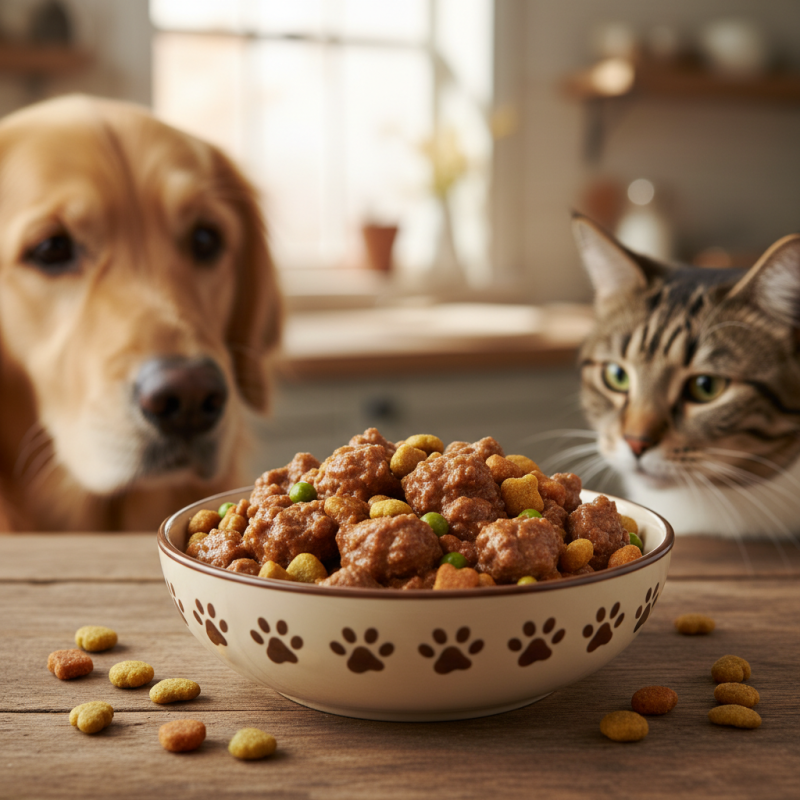
Mixing wet and dry pet food can enhance your pet's nutrition. Combining these two types elevates a diet's overall benefits. Wet food can provide hydration, while dry food offers dental health benefits. This blend keeps meals interesting for your pet.
Hydration is essential for a pet's well-being. Wet food has higher moisture content. This can especially aid pets who tend not to drink enough water. Meanwhile, dry food can help reduce tartar buildup and promote healthy teeth. Offering a mix can ensure that your pet enjoys the advantages of both.
Tips: Gradually introduce wet food mixed with dry. Monitor your pet's reaction to changes. Adjust ratios based on their preferences. A mix can enrich their eating experience and nutrition. Regularly review your pet’s health with a vet to ensure this combination suits their specific needs. Each pet is unique, so what works for one may not work for another.
Choosing the right types of wet and dry food for your pet is essential for their health. Each pet has unique dietary needs based on age, activity level, and health condition. When selecting dry food, look for high-quality proteins and essential nutrients. Many dry foods have whole grains or vegetables, which provide energy and fiber.
Wet food can add moisture to your pet's diet. It often contains meat as the main ingredient and is more palatable. However, some wet foods may have high sodium levels or preservatives. Mixing wet and dry food can balance texture and flavors. It provides hydration while ensuring your pet gets a complete nutrient profile.
Experimenting with different combinations may lead to unexpected results. Some pets have preferences, while others may resist changes. Transitioning slowly can help them adjust. Mixing can also help spotlight any food sensitivities or allergies. Keep an eye on your pet’s overall health when you make changes, and consult a veterinarian if needed.
When it comes to mixing wet and dry pet food, finding the right ratio is crucial. The optimal blend can vary based on your pet's age, size, and health needs. A common starting point is to mix 70% dry food with 30% wet food. This offers a balanced diet while keeping your pet’s teeth healthy. However, some pets may require more moisture. An increase to 50% wet food is worth considering, especially for older pets or those prone to urinary issues.
Observing your pet’s response to the new ratio is vital. Look for changes in energy levels and digestive health. Adjustments may be needed based on these observations. Not every pet will thrive on the same balance. Regular vet check-ups can guide you in making informed decisions. Fluctuating between different ratios may also help discover what works best for your pet. Balancing nutrition takes time and patience, and it's okay to experiment a little.
Introducing mixed food to your pet can be a gradual process. Start by blending small amounts of wet food with dry food. This helps your pet adapt to the new texture and taste. Mix about 10% wet food into their usual dry diet. Monitor their reaction carefully. Look for signs of discomfort or refusal to eat.
Over a week, increase the wet food ratio. Slowly move to 25%, then 50%. Each pet reacts differently. Some might enjoy the change, while others may hesitate. Be patient. If your pet shows hesitation, slow down the introduction. It's fine to take extra time. Ensure fresh water is always available.
Keep an eye on their digestion. Changes in food can sometimes cause upset stomachs. Consider keeping a diary of their reactions. This helps you track their progress. Adjust portions as needed. Mixing food is not just about nutrition; it’s about creating a positive meal experience for your pet.
| Pet Type | Wet Food Type | Dry Food Type | Recommended Ratio | Gradual Introduction Tips |
|---|---|---|---|---|
| Dog | Chicken Stew | Lamb Kibble | 70% Wet, 30% Dry | Start with 10% dry; mix well; gradually increase dry portion weekly. |
| Cat | Tuna Pâté | Chicken Chunks | 60% Wet, 40% Dry | Introduce dry gradually over 5 days; watch for preference. |
| Dog | Beef Broth | Chicken Rice Kibble | 50% Wet, 50% Dry | Mix thoroughly to encourage eating; monitor for allergies. |
| Cat | Salmon Mousse | Turkey Kibble | 40% Wet, 60% Dry | Begin with small amounts; slowly increase over a week. |
Monitoring your pet's health is crucial when mixing wet and dry food. Every pet is unique, and their nutritional needs can change over time. Regular vet check-ups can guide you. Tracking weight, energy levels, and coat condition will signal if adjustments are needed. An overweight pet may need fewer calories or a different mixture.
Observe your pet’s behavior and habits. If they seem sluggish, re-evaluate their diet. Sometimes, pets may develop allergies or sensitivities to certain ingredients. Look for changes in their skin or digestive health. If your cat suddenly turns away from food, it may be time to rethink the balance of wet and dry. Adjustments can make a significant difference in overall health.
Finding the right mix takes time. Experimenting with proportions can lead to the best outcome. Be patient and observant. Sometimes, what worked before may no longer be effective. Diet adjustments should align with your pet's current health status and lifestyle. Diet changes should be gradual, giving time for your pet to adapt. This process showcases the importance of attentive monitoring.
: Mixing enhances nutrition, combining hydration from wet food and dental health benefits from dry food.
Wet food has high moisture content, aiding pets that don’t drink enough water.
Choose high-quality proteins and essential nutrients. Whole grains and vegetables provide energy and fiber.
Gradually mix wet food with dry food. Monitor their reactions closely during the transition.
Watch for changes in weight, energy levels, or coat condition. If your pet seems sluggish, re-evaluate.
Yes, pets may develop sensitivities. Look for skin or digestive changes that signal an allergy.
Try different combinations and proportions. Adjustments can define personal preferences and dietary needs.
If your pet turns away from food, it might be time to rethink the balance of wet and dry food.
Regular check-ups guide dietary adjustments. They ensure that your pet's needs align with their current health.
Yes, it requires patience. What worked before might not be effective now, so stay observant and flexible.
Mixing wet and dry pet food can provide a balanced diet that enhances both nutrition and palatability for your furry friend. To effectively understand how to mix wet and dry pet food, it's important to recognize the unique benefits each type offers. Wet food can supply additional moisture and flavor, while dry food contributes to dental health and convenience. When determining the optimal ratio of the two, consider your pet's specific dietary needs, activity level, and preferences.
Gradually introducing mixed food is key to a smooth transition, as sudden changes can upset your pet's stomach. Start by mixing small amounts and slowly increasing the ratio over time. Additionally, keep a close watch on your pet’s health and be ready to adjust the diet as necessary to ensure they receive the best possible nutrition from their meals.

Zesty Pet