Feeding your dog a raw diet can be beneficial, but it requires caution. Understanding how to prepare a raw diet for dogs safely is essential for their health. Many pet owners worry about bacteria and nutrition levels. Raw diets can be risky if not handled properly. It's crucial to source fresh ingredients and maintain proper hygiene.
Selecting the right proteins and vegetables matters greatly. Not all ingredients are suitable for dogs. Some vegetables can even be toxic. Research is needed to ensure a balanced meal. Measuring portion sizes is also important. Overfeeding can lead to obesity and health issues. Always consult your veterinarian before making any significant changes to your dog's diet.
Incorporating variety is key to a well-rounded diet. Dogs thrive with different proteins and nutrients. However, keep in mind the importance of consistency. Too many changes at once may upset your dog's stomach. Continuously monitor their health and behavior. Preparing a raw diet safely involves both knowledge and careful planning. Every meal counts for your furry friend's wellbeing.
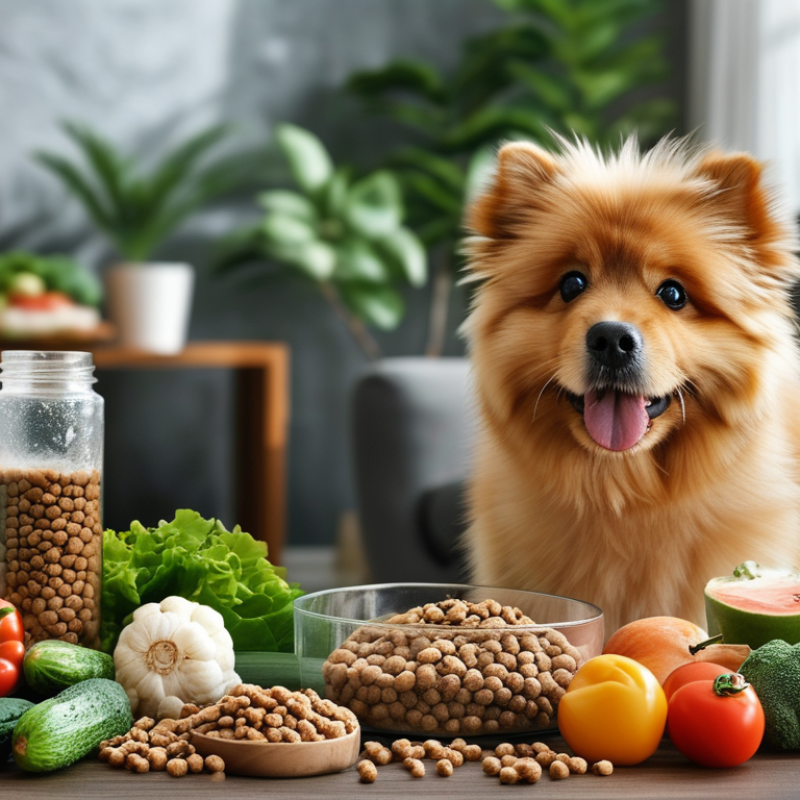
A raw diet for dogs emphasizes fresh, unprocessed foods. This diet typically includes raw meat, bones, fruits, and vegetables. It aims to mimic what canines' ancestors ate in the wild. Research indicates that around 70% of owners who transition to raw diets report improved coat health and energy levels in their pets.
Understanding the components of a raw diet is crucial. For example, the diet should include a balance of protein, fat, and carbohydrates. Professional organizations recommend that meat should make up about 70% of a dog's diet. Fruits and vegetables are important, but they should only account for 20-30%. Too much of either could lead to digestive issues. Consider introducing foods slowly. This approach allows the dog’s digestive system to adjust and helps identify any food sensitivities.
However, creating a safe raw diet isn't without challenges. It requires careful attention to hygiene and food safety. Bacterial contamination can pose risks for both pets and owners. A study revealed that 40% of raw food samples tested positive for harmful bacteria. Properly handling and storing raw ingredients is vital. Additionally, supplementing with vitamins and minerals ensures dogs receive complete nutrition. Balancing nature with practicality can be complex and requires ongoing learning and adjustment.
| Ingredient | Nutrients | Recommended Serving (per 10 lbs) | Preparation Tips |
|---|---|---|---|
| Raw Chicken | Protein, Calcium | 4 oz | Ensure all bones are soft; avoid those that can splinter. |
| Beef Liver | Vitamin A, Iron | 1 oz | Feed in moderation; high in Vitamin A. |
| Carrots | Fiber, Beta-carotene | 1 oz | Wash thoroughly; can be grated or chopped. |
| Eggs | Protein, Fatty acids | 1 egg | Raw or cooked; be cautious of salmonella. |
| Spinach | Vitamins A, C, K | 1 oz | Steam lightly to improve digestibility. |
: Fresh meats are essential. Include chicken, beef, or fish. Organ meats like liver provide vital vitamins.
Vegetables like carrots and spinach offer fiber and vitamins. They should be finely chopped or blended for easier digestion.
Using different meats and vegetables ensures your dog gets all necessary nutrients. Avoid monotony in their meals.
Monitor their weight, energy levels, and coat condition regularly. These factors can indicate their adaptation.
Watch for vomiting, diarrhea, or lethargy. These could signify that the diet isn't working for your dog.
Experiment with different raw ingredients. Changing textures or flavors might help spark their interest in food.
Yes, regular check-ups are important. A vet can provide tailored advice based on your dog's specific needs.
Document any changes and discuss them with your vet. Adjusting ingredients might be necessary for balance.
Yes, learn about safe food handling practices. Avoid cooking errors that can lead to imbalanced meals or bacteria.
Not every dog does well on a raw diet. Monitor your dog closely and adjust based on their reactions.
Preparing a safe raw diet for your dog at home involves understanding the fundamental principles of raw feeding, which include the necessity for a balanced mix of proteins, fats, and carbohydrates. Essential ingredients such as high-quality meats, bones, and selected fruits and vegetables contribute to a nutritious diet. It's crucial to employ safe food preparation techniques to minimize the risk of contamination and ensure your dog’s meals are both enjoyable and healthy.
Additionally, being aware of common nutritional deficiencies that can arise in raw diets helps dog owners supplement their pet’s meals effectively. Regular monitoring of your dog’s health is vital to ascertain that they are thriving on the raw diet. For those looking to know how to prepare a raw diet for dogs safely, following these guidelines will lay a strong foundation for a healthy lifestyle for your furry companion.

 Zesty Pet