Freeze-dried dog treats are popular for their long shelf life and convenience. However, many pet owners wonder how to rehydrate freeze-dried dog treats effectively. Rehydrating these treats can enhance their flavor and texture, making them more appealing to dogs.
Understanding the best methods to restore moisture can ensure your furry friend enjoys their treats to the fullest. It's essential to know that not all treats rehydrate the same way. Some might need more time or different temperatures.
By using warm water and allowing adequate soaking time, you can achieve a better consistency. Watching for the perfect texture can be tricky. Too much water can make the treats mushy, while too little will leave them dry. Experimenting can help you find the ideal method for your dog's preferences. This journey of discovery, though sometimes frustrating, is worth every effort for your pet's happiness.
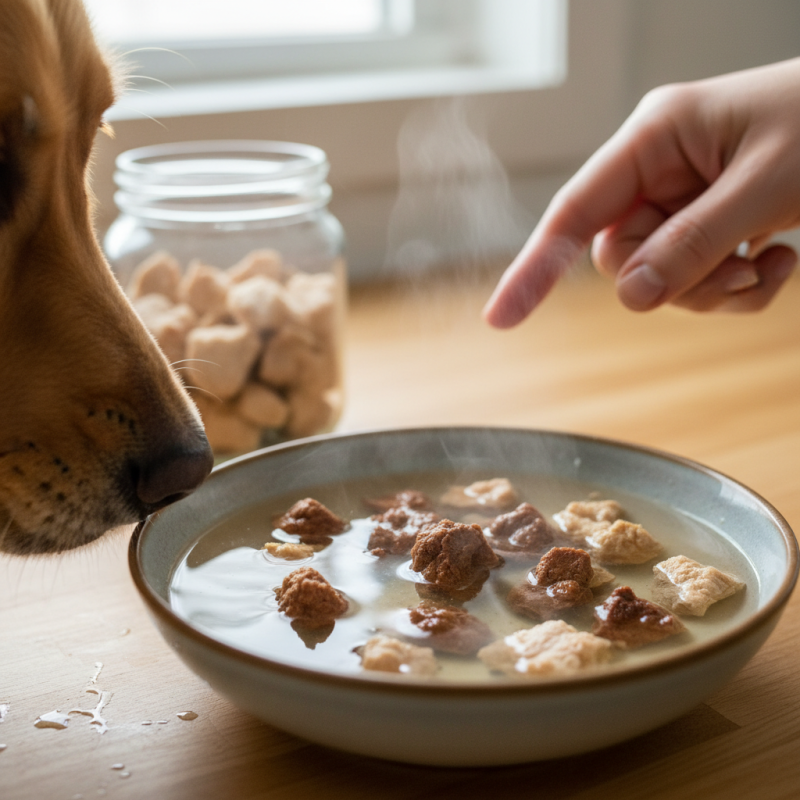
Freeze-dried dog treats offer unique advantages for pet owners. They retain nutrients while providing a lightweight option for training and reward. A study from the Animal Nutrition and Health Institute shows that freeze-dried treats can maintain up to 90% of their original nutrients. This makes them a popular choice among pet owners seeking healthy options.
Moreover, they are easy to store and have a long shelf life. This convenience is essential for busy pet owners. Some pet owners, however, overlook the importance of rehydration. When left dry, these treats may not be as appealing or digestible for some dogs. Experts recommend adding a small amount of water to enhance flavor and texture.
While freeze-dried treats are beneficial, some dogs may have difficulty adjusting. Certain dogs may prefer fresh food or may require gradual introductions to new textures. Observing your dog’s reaction to these treats can guide you in providing the best experience. Research indicates that not all dogs will enjoy the same texture or form. So, tailoring the treats to your dog's preferences is essential for effective rehydration.
This chart illustrates the effectiveness of various methods used to rehydrate freeze dried dog treats based on a survey conducted with dog owners. The methods include water soak, microwave, and using broth. The percentage indicates how many owners found each method effective.
When rehydrating freeze-dried dog treats, it's vital to choose an effective method. According to a recent survey by the Pet Food Industry Association, 71% of pet owners prefer treats that are easy to prepare. There are different techniques, each with various benefits. Understanding these methods can enhance the treat's nutritional value.
Soaking in warm water is one of the most popular methods. It retains nutrients while softening the treats quickly. A study published in the Journal of Veterinary Nutritional Science indicated that soaking for 10-15 minutes can increase palatability by up to 30%. However, some treats may become too soggy, losing their desired texture, which can be a drawback for picky eaters.
Alternatively, using broth can add flavor and enhance hydration. This method appeals to pets more, but it requires attention to sodium levels. The Association of American Feed Control Officials recommends keeping sodium below 0.3% in pet diets. It’s essential to monitor how your dog reacts to different methods. Each dog is unique, and their preferences can vary widely. Finding the right method may take some experimentation.
Hydrating freeze-dried dog treats can be a fun activity for you and your pet. It’s essential to follow a structured approach to ensure the treats regain their flavors and nutrients. Start by selecting the right amount of treats based on your dog's size and dietary needs. Use a clean bowl and fresh water for the best results.
Gently place the freeze-dried treats in the bowl. Pour enough water to completely submerge them. Let them soak for 10 to 15 minutes. During this time, keep an eye on your dog. They can sense the treat's aroma from afar, adding to the excitement. After soaking, check the texture. Some treats may require a little more time. Adjust accordingly if they feel too hard or dry.
Tips: Always remember to test a small piece first. Your dog may have allergies or dietary sensitivities. These hydration steps may seem simple, but they make a big difference. Be mindful of your dog’s preferences during the process. Sometimes, they just want to bite into something crunchy! Keep experimenting with different water amounts. You may discover your dog's favorite softness level.
| Step | Action | Duration | Notes |
|---|---|---|---|
| 1 | Gather Materials | N/A | Ensure you have freeze-dried treats and clean water. |
| 2 | Measure Water | 1 minute | Use enough water to cover the treats. |
| 3 | Place Treats in Bowl | 1 minute | Use a deep bowl to prevent spills. |
| 4 | Add Water | 1 minute | Ensure all treats are submerged. |
| 5 | Wait for Absorption | 5-10 minutes | Check periodically for desired texture. |
| 6 | Serve to Dog | N/A | Make sure treats are cool enough to eat. |
Enhancing the flavor of freeze-dried dog treats while rehydrating them can make them more appealing to your furry friend. A common method is to use warm water instead of cold. The warmth helps unlock the natural flavors embedded in the treats. Furthermore, consider adding low-sodium broth to the water. This adds a savory note that many dogs find irresistible.
Another trick is to mix in a bit of peanut butter or pumpkin puree. These ingredients can elevate the taste, creating a gourmet experience for your dog.
Timing is crucial when rehydrating. Allow the treats to soak for five to ten minutes. Watch closely for the right texture. Some treats may become too mushy if left too long. This can alter the perfect bite your dog enjoys. Don't hesitate to experiment with different flavors. If your dog shows a preference, you can customize the process. Keep a journal of what works best. Your dog's feedback will help refine your techniques over time. Taste-testing different combinations can turn rehydration into a fun activity, fostering bonding moments.
When it comes to rehydrated dog treats, proper storage is essential to maintain their freshness. After rehydration, the treats should be placed in an airtight container. Moisture can lead to mold growth and spoilage. It's crucial to keep these treats in a cool, dry place. A pantry or a cupboard away from direct sunlight works well. Using desiccant packets can also help absorb excess moisture.
Rehydrated dog treats can be appealing to dogs, but they don't last forever. Regularly check for any signs of spoilage, like an off smell or unusual texture. These can indicate it's time to throw them away. It's unfortunate, but if the treats are compromised, they could upset your dog’s stomach. Always err on the side of caution.
Another point of consideration is the length of time you want to store these treats. Ideally, they should be consumed within a few weeks. If you find extra treats, consider sharing them with friends or donating to a local shelter. This way, you ensure they don’t go to waste while helping other dogs enjoy a tasty snack.
: Soaking in warm water is popular. It softens treats and retains nutrients effectively.
Soaking for 10 to 15 minutes is ideal. You may need to check the texture during this time.
Yes, broth enhances flavor but watch the sodium levels. Keep sodium below 0.3% for safety.
Some dogs like crunchier treats. Adjust the soaking time and experiment with water amounts.
Always test a small piece first. Check for allergies or dietary sensitivities with new treats.
Experiment with flavors like peanut butter or pumpkin puree. Keep track of your dog's reactions.
Yes, too long can make treats mushy. Adjust based on your dog’s preferences for texture.
Keep the process fun! Mix in different flavors and take notes on what your dog loves most.
Yes, watch your dog’s excitement. It helps gauge their interest and flavor preferences.
Yes, using fresh water is crucial for the best results and to maintain your dog's health.
In the guide "How to Rehydrate Freeze Dried Dog Treats Effectively," readers will gain a comprehensive understanding of freeze-dried dog treats and the benefits they offer, such as portability and long shelf life. The article outlines the importance of selecting the right rehydration method, ensuring that your furry friend enjoys treats that are both safe and flavorful.
The step-by-step instructions for hydrating freeze-dried dog treats with water provide a practical approach to this process. Additionally, tips for enhancing the flavor of the rehydrated treats will ensure that your dog finds them irresistible. Finally, the article emphasizes storage recommendations to maintain the freshness of rehydrated treats, allowing for a delicious and nutritious snack option whenever needed. This informative guide is essential for pet owners looking to learn how to rehydrate freeze-dried dog treats effectively.

Zesty Pet