When considering what is the shelf life of unopened wet pet food, many pet owners have questions. Dr. Emily Carter, a veterinarian and pet nutritionist, emphasizes, "Understanding expiration dates is crucial for your pet's health." Wet pet food offers convenience and nutritional benefits but requires careful attention to storage guidelines.
Typically, the shelf life of unopened wet pet food ranges from one to three years, depending on the manufacturer. Factors like packaging and ingredients play significant roles. Many brands indicate an expiration date, which should be strictly followed. However, some pet owners may overlook this important detail.
It's essential to remember that even unopened food can degrade over time. Changes in texture or smell can indicate spoilage. Pet owners should regularly check their stores and refrain from using food past its expiration date. Ignoring these details may lead to health issues for pets. Being informed and diligent ensures that our furry friends receive safe and nutritious meals.
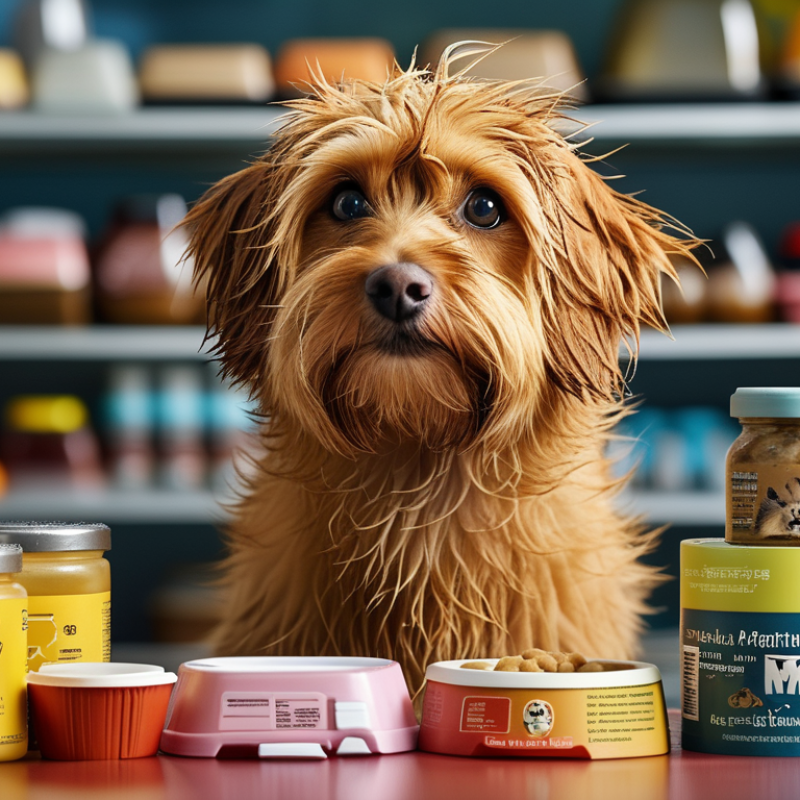
Understanding Shelf Life of Wet Pet Food
When considering wet pet food, understanding shelf life is crucial. Unopened cans typically last two to five years. The exact duration varies based on the ingredients and packaging. Most manufacturers recommend checking for a “best by” date on the can for reliable guidance.
Research shows that moisture content is a significant factor. High moisture levels mean less stored well without refrigeration. A study by the Pet Food Institute highlights that proper storage can extend shelf life. Keeping cans in a cool, dry place is essential. However, not all cans maintain quality equally.
Pet owners often overlook can integrity. Damaged or rusted cans can compromise food safety. Regularly inspecting pet food for visual changes is necessary. These small checks can prevent potential health risks for pets. Understanding these aspects allows pet owners to make informed choices about their pet’s diet.
Factors Influencing the Shelf Life of Unopened Wet Pet Food
When considering the shelf life of unopened wet pet food, several factors come into play. The packaging plays a crucial role, as airtight seals help maintain freshness. Additionally, preservatives are used to extend viability, yet factors like temperature and humidity can affect them. Ideal storage conditions are cool and dry; exposure to heat can shorten shelf life significantly.
Tips: Store wet pet food in a cupboard, away from sunlight. Avoid placing it near stoves or other heat sources.
Expiry dates are generally a good guideline, but they are not absolute. Some foods may remain safe beyond the date, depending on how they were stored. However, always check for signs of spoilage, such as bloating or leaks in the can.
Tips: Inspect cans before purchase. Look for dents or rust, which may indicate compromised food quality. Trust your senses; if it seems off, it's better to discard it.
What is the Shelf Life of Unopened Wet Pet Food? - Factors Influencing the Shelf Life of Unopened Wet Pet Food
| Type of Wet Pet Food |
Shelf Life (Years) |
Storage Temperature (°F) |
Nutritional Preservation |
| Cats - Meat-Based |
2 - 5 |
50 - 70 |
High |
| Dogs - Poultry-Based |
1 - 3 |
50 - 65 |
Moderate |
| Cats - Fish-Based |
1 - 2 |
50 - 70 |
Lower |
| Dogs - Beef-Based |
2 - 4 |
55 - 75 |
High |
| Mixed Protein |
1 - 3 |
60 - 80 |
Moderate |
Recommended Storage Conditions for Extended Shelf Life
When it comes to unopened wet pet food, proper storage conditions are crucial for maintaining its shelf life. Ideally, the food should be kept in a cool, dry place. Extreme temperatures can degrade the quality of the food, reducing its nutritional value and palatability. Storing it in a pantry or cabinet away from direct sunlight is best.
While the packaging may suggest a long shelf life, it’s important to regularly check expiration dates. An unopened can or pouch does not last indefinitely, even with the best storage practices. If the can is dented or the seal is broken, it may be wise to discard it, regardless of the date printed on it. These are subtle signs that the quality might have been compromised.
Keeping track of storage conditions is vital for both safety and quality. If you live in a humid climate, consider using dehumidifiers in storage areas. Ensure the food remains sealed tightly until it’s time for use. Despite these precautions, being attentive to changes in smell or texture can help you catch any issues early. Regularly reviewing these practices can lead to better choices for your pet’s nutrition.
Signs of Expiration in Unopened Wet Pet Food
When it comes to wet pet food, checking for signs of expiration is essential. Unopened cans or pouches may have a long shelf life, but they aren't immune to spoilage. First, always inspect the packaging. Look for dents, rust, or bulging, as these can indicate compromised seals or bacterial growth. Even if the food is unopened, physical damage can affect its safety.
Another critical factor is the "best by" date. While this date suggests peak quality, it doesn't always mean the food is unsafe after it passes. However, it's wise to err on the side of caution. If you notice any unusual odor or discoloration upon opening, consider discarding the product, even if it's within the date range.
Lastly, be mindful of storage conditions. Extreme temperatures can shorten the shelf life of unopened wet pet food. Always keep it in a cool, dry place. Your pet's health and safety rely on vigilance. An old can might seem harmless, but the consequences of feeding expired food are serious. Trust your instincts and prioritize quality.
Best Practices for Feeding Pets with Wet Food
Feeding pets with wet food is becoming increasingly popular. Many pet owners appreciate the convenience and palatability of these products. According to the Association of American Feed Control Officials, 60% of pet owners choose wet food for its moisture content. This moisture aids digestion and enhances hydration.
It is crucial for pet owners to understand proper feeding practices. Serving sizes can vary based on the pet's age, weight, and activity level. Generally, a pet needs about 2-4 ounces of wet food per 10 pounds of body weight. Consulting a veterinarian is essential for tailored recommendations. Furthermore, freshness matters. Opened wet food should be refrigerated and consumed within 3-5 days to ensure safety.
While unopened wet food can last a long time, it’s not infallible. The shelf life typically ranges from 1 to 3 years, depending on the formulation. Regularly checking expiration dates is necessary. Storing wet food in a cool, dry place can help maintain its quality. However, be cautious of any signs of spoilage, such as changes in color or odor, and always trust your instincts.
FAQS
: Unopened wet pet food usually lasts two to five years.
Always check for a “best by” date. This helps ensure food quality.
High moisture levels can lead to spoilage without refrigeration.
Extreme temperatures can shorten its shelf life significantly.
Look for dents, rust, or bulging in the packaging.
Yes, even unopened cans can spoil if damaged.
Discard the product if you notice any strange smells or discoloration.
It's risky to feed expired food; prioritize your pet's health.
Regular checks can help prevent potential health risks for pets.
Ignoring them may lead to serious health issues for your pet.
Conclusion
When considering "what is the shelf life of unopened wet pet food," it's essential to understand various factors that can influence its longevity. Typically, unopened wet pet food can last anywhere from one to four years, depending on the ingredients and packaging. Factors such as the type of meat used, preservatives added, and manufacturing processes play a crucial role in determining shelf life.
To extend the shelf life of wet pet food, it’s recommended to store it in a cool, dry place, away from direct sunlight. Additionally, consumers should be aware of signs of expiration, which may include bulging cans, off smells, or discoloration. Following best practices for feeding pets with wet food, such as checking expiration dates and proper storage methods, can ensure that pets receive nutritious and safe meals.

 Zesty Pet