Many dog owners struggle with a common issue: dogs eating too fast. This behavior can lead to choking and other health risks. Dr. Lisa Smith, a veterinary nutritionist, emphasizes, "A dog's rapid eating can turn mealtime into a dangerous event." Understanding how to stop a dog from eating too fast is essential for their safety.
When dogs gobble food quickly, they often swallow air along with their meal. This can cause bloating and discomfort. For some breeds, it can even lead to life-threatening conditions. Implementing simple strategies can make all the difference. Use slow-feed bowls or puzzle toys; these encourage slower eating and mental engagement.
It's important to monitor your dog's eating habits. Notice any signs of distress during meals. If your dog frequently chokes, it may require more than just a feeding strategy. Involve your veterinarian in finding solutions. Remember, addressing fast eating is not just about the food; it’s about the dog's overall well-being. Take the time to adjust your pet’s feeding routine for a healthier, happier dog.
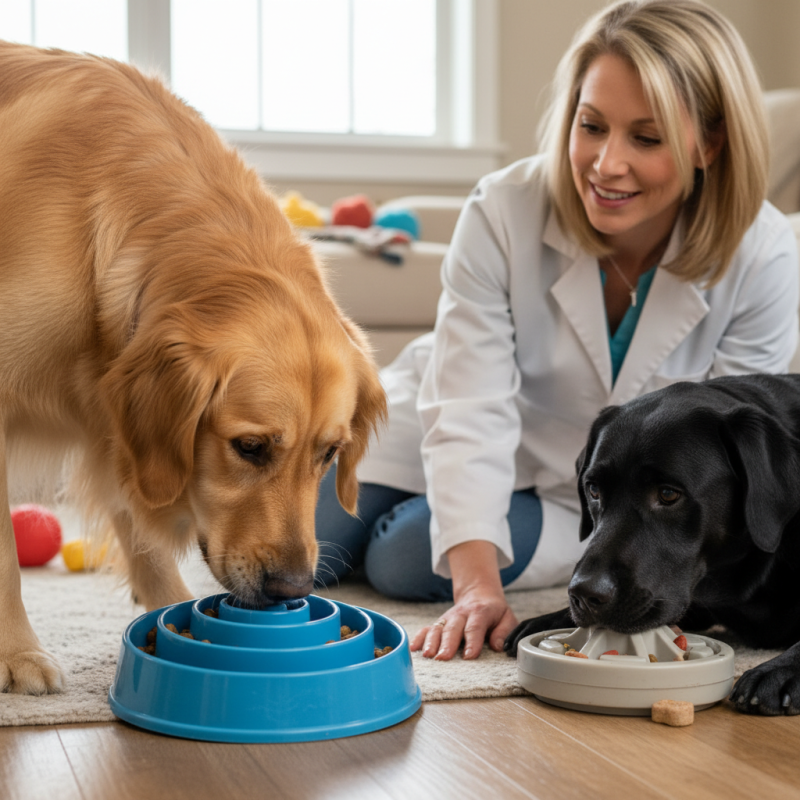
Fast eating in dogs can lead to serious health risks. When dogs chow down too quickly, they may swallow air along with their food. This can cause bloating, which is painful and can be life-threatening. Choking is another danger. A dog that eats rapidly may not chew its food well enough, increasing the risk of getting a piece stuck in their throat.
Understanding these risks is vital for every dog owner. Fast eaters often show signs of anxiety around mealtime. They may be competing for food or simply have developed an overeating habit. Recognizing these behaviors is the first step toward addressing the issue. Slow feeding bowls or puzzle feeders can help. These tools encourage your dog to take their time, engaging both their mind and body while they eat.
Some dogs may resist changes to their feeding routine. It's not uncommon for them to appear frustrated or confused. Patience is important as you work to modify their eating habits. Observing your dog's reactions can provide insights into their feelings about food and feeding time. Remember, creating a calm environment can also aid in easing their anxiety.
| Risk Factors | Symptoms of Fast Eating | Solutions |
|---|---|---|
| Breed predisposition (e.g., Labrador, Greyhound) | Gagging or coughing | Use a slow feeder bowl |
| Competition with other pets | Drooling excessively | Separate feeding areas |
| Hunger due to inadequate meals | Abdominal discomfort | Scheduled feeding times |
| Stress or anxiety | Pacing or restless behavior | Calming products or pheromones |
| Poor dental health leading to uncomfortable chewing | Choking or gagging while eating | Regular dental check-ups |
When observing your dog during mealtime, there are key signs indicating they may be eating too quickly. Rapid eating can lead to choking and other digestive issues. A common signal is noticeable gulping sounds as they devour their food. This behavior often results in the food not being chewed properly, increasing the risk of choking.
Another prominent sign to watch for is excessive drooling. Dogs that eat too fast may show more saliva than usual, as the body struggles to manage the intake. Additionally, if your dog frequently regurgitates food right after eating, it may be due to their hurried eating habits. You might notice that your dog appears anxious or overly excited during meals, unable to wait for their food.
Keep an eye out for these indicators as they can help you understand your dog's eating patterns better. It's essential to acknowledge these signs and reflect on any changes you can make. Slowing down their eating can enhance their overall health and well-being.
This chart illustrates the percentage of dogs eating at different speeds based on a survey, highlighting the potential risks of fast eating that can lead to choking. Ensuring dogs eat at a moderate pace can help prevent health issues.
Many dog owners face the challenge of their pets eating too quickly. This can lead to choking hazards and digestive issues. Effective strategies to slow down your dog's eating can improve their health and safety.
One approach is using slow feeders. These bowls are designed with obstacles that make it difficult for your dog to gulp down their food.
Dog puzzles are another excellent option. They engage your dog’s mind while they eat, promoting a slower pace. It’s fascinating to see how much this can reduce their eating speed.
Another tip involves dividing their meals into smaller portions. This simple change can prevent a rush at mealtime. Consider feeding them multiple times a day, instead of once. Additionally, try spreading their food out on a clean flat surface. This method encourages them to take their time while eating.
Monitor your dog's behavior during meals. If they still eat too fast, you may need to rethink your approach. Each dog is unique, and sometimes it requires a bit of trial and error to find what works best. Remember, a happier dog is one that eats at a healthy pace.
When dogs eat too quickly, it can lead to choking and other health issues. To help slow down their eating, choosing
the right feeding tools is essential. Various options can assist in this endeavor.
A slow feeder bowl features ridges and obstacles that force dogs to eat more slowly.
These bowls can be made of plastic or ceramic, and each material
offers different advantages. Very important, ensure the bowl is easy to clean.
Puzzle feeders are another good choice. These feeders engage dogs both physically and mentally. They require your dog to solve
challenges to access their food. This added stimulation can reduce anxiety around mealtime and promote a slower eating pace.
You can also create DIY feeding solutions. Using a muffin tin or placing food on a
baking tray can effectively slow down your dog’s eating.
Sometimes, your dog may not adapt to new feeding tools immediately. They might get frustrated or even refuse to eat. It’s okay to
experiment with different options and observe their reactions. Monitoring your pet’s behavior during meals is crucial.
Adjustments might be necessary based on their response. Consistency and patience go a long way in helping your dog transition to
slower eating habits.
Establishing a routine for your dog can significantly improve their eating habits. A consistent schedule not only helps regulate their appetite but can also reduce the risk of choking. According to a study published in the Journal of Veterinary Behavior, dogs fed at specific times are less likely to gulp their food. This can lead to better digestion and overall health.
Aim to feed your dog at the same time every day. This predictability gives them a sense of security. Mixing in slow feeder bowls can encourage them to chew rather than gulp. Veterinary experts recommend these bowls, citing that they can help slow down eating by up to 50% for many dogs.
Monitoring portion sizes is also vital. The Association for Pet Obesity Prevention states that nearly 60% of dogs are overweight. Overeating contributes to a range of health issues. Regularly assessing your dog's weight can help identify potential problems early. Each dog is unique, so what works for one may not be effective for another. It’s essential to observe and adjust. A flexible approach ensures that your routine aligns with your dog's specific needs.
: Watch for gulping sounds and excessive drooling during meals.
Rapid eating can cause choking and digestive issues.
Slow feeders and dog puzzles are effective tools to help.
Yes, dividing food into smaller portions can slow them down.
Consider feeding multiple times a day for better eating habits.
Yes, a consistent schedule helps regulate appetite and reduces rushing.
Yes, they can slow eating down by up to 50%, promoting better digestion.
Observe their meal times and adjust feeding methods as needed.
You might need to rethink your feeding approach or try new methods.
Excitement or anxiety can make them rush their food. A calmer environment might help.
In the article "How to Stop Your Dog from Eating Too Fast and Choking?", we explore the vital importance of addressing fast eating habits in dogs. Fast eating can lead to serious health risks, including choking and digestive issues. Recognizing signs that your dog is eating too quickly, such as gulping their food or showing signs of discomfort, is crucial for prevention.
To effectively slow down their eating, various strategies can be employed, such as using specific feeding tools designed for slower consumption and establishing a regular feeding routine. By implementing these methods, pet owners can not only mitigate the risks associated with rapid eating but also promote healthier eating habits. Ultimately, knowing how to stop a dog from eating too fast is essential for safeguarding their well-being and ensuring they enjoy their meals without discomfort.

Zesty Pet