How to Tell if Your Pet Food Has Gone Bad at Home?

Time:2026-06-07 Author:Aria
0%

When it comes to your pet's health, knowing how to tell if pet food has gone bad is vital. Many pet owners may overlook expiration dates. This can lead to feeding spoiled food, which can harm your beloved pets. Spoiled pet food can cause digestive issues, or worse, severe illness.

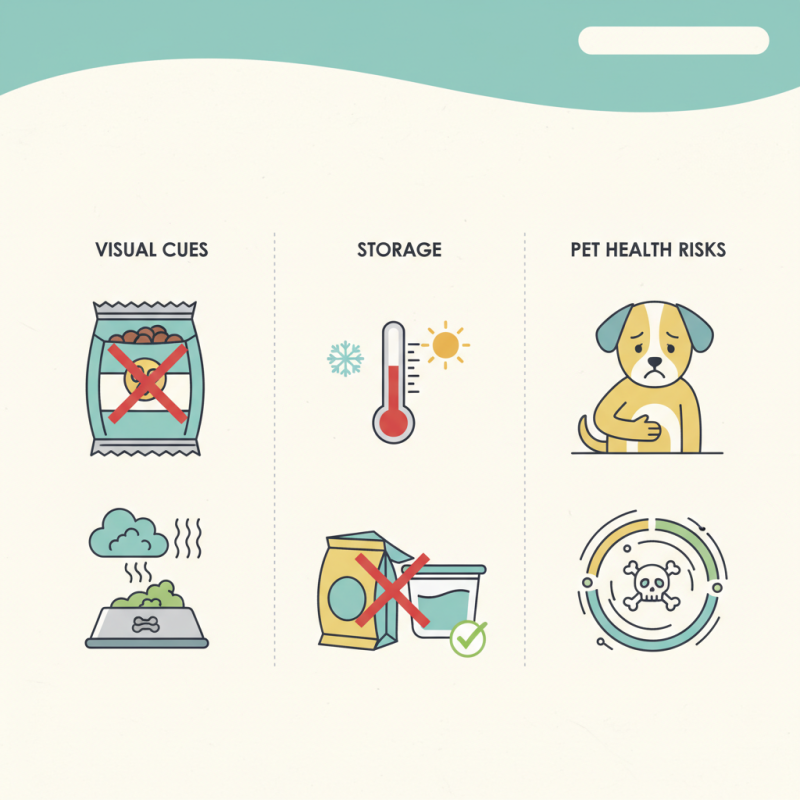
Visual cues can be your first line of defense. Check for any discoloration or off-putting smells. If the kibble looks dull or has an unusual texture, it's worth being cautious. Wet food, too, can develop mold or an odd odor. Always trust your instincts when assessing these indicators.

Being aware of storage conditions is equally important. Keeping pet food in a cool, dry place prolongs its freshness. However, if it’s been in humid areas or left open for too long, it may be time to discard it. Being proactive and mindful can significantly reduce risks to your pet's health. Always remember: preventing a problem is better than fixing one.
How to Tell if Your Pet Food Has Gone Bad at Home?

How to Identify Signs of Spoiled Pet Food at Home

Identifying signs of spoiled pet food is crucial for your pet’s health. Observing texture is vital. Dry kibble may become soft or oily when it goes bad. Canned food might show bulging or rust on the can, indicating potential spoilage. According to the Association of American Feed Control Officials, improper storage can cause significant nutrient loss, impacting your pet’s well-being.

Another key sign is the smell. Fresh pet food should have a neutral or pleasant scent. A sour or rancid odor suggests that the food has deteriorated. A study from the Pet Food Institute found that approximately 10% of pet owners unknowingly feed spoiled food. Understanding these indicators is essential for responsible pet ownership.

Visual inspection is equally important. Look for unusual colors or the presence of mold. Even if the food appears fine, a change in consistency often signifies spoilage. If you notice anything unusual, trust your instincts. It’s better to be cautious than to risk your pet’s health. Keep in mind that expired food could lead to digestive issues.

How to Tell if Your Pet Food Has Gone Bad at Home? - How to Identify Signs of Spoiled Pet Food at Home

Signs of Spoiled Pet Food Description Recommended Action
Unpleasant Odor If the food emits a foul or rancid smell, it is likely spoiled. Discard the food immediately.
Change in Color A significant change in color may indicate spoilage. Inspect and consider disposal if suspicious.
Visible Mold Presence of any mold or unusual spots is a clear sign of spoilage. Throw away the entire product.
Texture Changes If the food feels clumpy or unusually sticky. It’s best to discard it as it may be unsafe.
Expiration Date Check the expiration date on the package. Do not use if the date has passed.

Understanding the Shelf Life of Your Pet Food Products

When it comes to pet food, understanding its shelf life is crucial. Pet food typically has a shelf life that varies between dry and wet products. According to the Association of American Feed Control Officials (AAFCO), dry pet food can last between 12 to 18 months, while wet food often has a shorter window, averaging 2 to 5 years if sealed properly.

Once opened, the shelf life decreases. Dry food should be consumed within six weeks to maintain quality. Wet food can spoil rapidly; once opened, it should be refrigerated and consumed within 3 to 5 days. Moisture, light, and air exposure can cause degradation. A study published in the Journal of Animal Science highlights that pet food quality diminishes with prolonged exposure to oxygen, leading to rancidity and nutrient loss.

It’s not uncommon to overlook signs of spoilage at home. Dull packaging, an off smell, or changes in texture often indicate a problem. Small changes can have big consequences for your pet’s health. If you have doubts, it’s best to err on the side of caution. Consider these details when assessing your pet's food, and always inspect before feeding. Paying close attention can prevent health issues and ensure your furry friend receives the nutrition they need.

Common Chemical Indicators of Expired Pet Food

Keeping an eye on your pet food's quality is essential for your pet's health. Expired or spoiled food can lead to serious health issues. Look for common chemical indicators that reveal the food’s condition. An off-putting smell is a clear sign. If it smells stale or rancid, it is best not to take any chances. Visual inspection also matters.

Check for any discoloration or unusual textures. If your dry food has clumps or a greasy feel, it may be spoiled. Wet food should be examined closely as well. The presence of mold is a definitive warning sign. If you see any, discard the food immediately.

Another indicator is the food's expiration date. However, just relying on this date isn't enough. Proper storage can prolong food quality. If you've opened the package for months, consider the freshness. Trust your instincts. It’s better to err on the side of caution and keep your furry friend safe.

Recognizing Changes in Texture and Aroma of Pet Food

When examining your pet food, pay close attention to its texture and aroma. Fresh pet food should feel consistent and easily break apart when pressed. A dry, hard texture can indicate that the food has lost its moisture and freshness. If you’re noticing clumping or unusual hardness, it may be a sign of spoilage.

Smell is another critical factor. Fresh pet food often has a pleasant, appetizing aroma. If you detect a sour or rancid scent, it's likely gone bad. Trust your instincts; if the smell is off, it's better to discard the food. Remember, animals can be sensitive to changes that we might overlook.

Even minor changes in these characteristics could suggest that your pet's food is not safe anymore. Don't hesitate to consult your veterinarian if you have doubts. Incorrect storage can lead to spoilage that may harm your pet. Maintaining a consistent check on both texture and aroma will help ensure the health of your furry friend. Always observe before serving.

Best Practices for Storing Pet Food to Prevent Spoilage

Storing pet food properly is vital for maintaining its freshness. Use an airtight container to keep out moisture and pests. Seal the container tightly after each use. Avoid keeping pet food in its original bag, even if it seems convenient. This small change can prevent spoilage.

Keep pet food in a cool, dry place. Heat and humidity can degrade the quality of the food. Ideally, store it in a pantry or a designated storage area away from sunlight. Pay attention to the expiration date, but also use your senses. Look for changes in color or smell. If you notice a rancid odor, it’s time to toss it.

Regularly check the food for signs of mold or bugs. Even if the food is not expired, these signs mean it's unsafe. Some pet owners might overlook these details. It’s easy to forget to inspect food, but awareness is crucial. By taking a few extra moments to check your pet's food, you ensure their health and happiness.

Pet Food Spoilage Indicators

This chart depicts various indicators for determining the severity of pet food spoilage. Each category is rated on a scale from 1 to 10, with higher numbers indicating a greater likelihood of spoilage.

FAQS

: How can I tell if my pet food is spoiled?

: Look for unusual texture, smell, and visual signs. Check dry kibble for softness or oiliness.

What should I observe in canned pet food?

Inspect for bulging or rusted cans. These signs indicate potential spoilage.

How does the smell indicate pet food quality?

Fresh food has a neutral scent. Sour or rancid odors suggest spoilage.

Why is it important to check for mold?

Mold is a clear sign of spoilage. Any presence of it means you should discard the food.

What happens if my pet eats expired food?

Expired food can cause digestive issues. Keeping your pet safe is essential.

Is the expiration date enough to ensure food quality?

No, rely on storage conditions too. An opened package lasts less time than unopened ones.

What signs should I look for in dry kibble?

Look for clumps, grease, or a drastic texture change, which often indicates spoilage.

How important is visual inspection?

Visual inspection is critical. Unusual colors or textures can signify food is not safe.

Can my instincts help in identifying spoiled food?

Absolutely. Trusting your instincts is vital for your pet's health and safety.

Should I feel guilty about feeding spoiled food?

Yes, reflection is necessary. Always prioritize checking your pet's food regularly.

Conclusion

Determining how to tell if pet food has gone bad is crucial for maintaining your pet's health. Signs of spoiled pet food can often be identified through visual inspection, changes in texture, and unusual aromas. Additionally, understanding the shelf life of your pet food products is vital; each type has its own expiration timeline that should be adhered to. Chemical indicators such as rancid oils or an off smell can also signal that your pet's food is no longer safe to consume.

To prevent spoilage, it's essential to store pet food properly. Keeping it in a cool, dry place and using airtight containers can significantly extend its freshness. By following these best practices, you can ensure that your pet receives safe and nutritious food, while also being equipped to recognize any potential spoilage.

Aria

Aria

Aria is a dedicated marketing professional with a deep passion for innovative strategies and a keen understanding of our company's product offerings. With a wealth of experience in the industry, Aria excels at crafting engaging content that highlights the unique features and benefits of our......