5 Tips on How to Rehydrate Freeze Dried Dog Treats?

Time:2026-09-18 Author:Ethan
0%

Freeze-dried dog treats are light, crisp, and surprisingly thirsty. Adding water can soften them, improve aroma, and make chewing easier for some dogs. However, the process needs care. Too much liquid may create a soggy texture, while too little may leave hard centers.

This guide explains how to rehydrate freeze-dried dog treats using practical, measured steps. You will learn how to choose safe water, control soaking time, and serve the treats at a comfortable texture. Small details matter. A tablespoon of warm water can change the result. A clean bowl matters too.

Veterinary nutritionist Dr. Joseph Wakshlag offers an important reminder: “Hydration needs vary between individual dogs.” That principle should guide every serving. Puppies, senior dogs, and pets with kidney or digestive concerns may need different advice. Always check the treat label and speak with your veterinarian when uncertain.

The five tips ahead focus on safe preparation, freshness, texture, portion control, and observation. You will see why lukewarm water usually works better than hot water. You will also learn why soaking time should remain limited. There is no perfect texture for every dog. Some prefer a soft, mashable bite. Others reject anything that feels wet.

Expect a little trial and error. That is normal. Watch your dog’s reaction closely, especially during the first serving. Rehydrated treats should smell clean, look fresh, and be offered in moderation. With a few careful adjustments, this simple routine can become easier, safer, and more enjoyable.
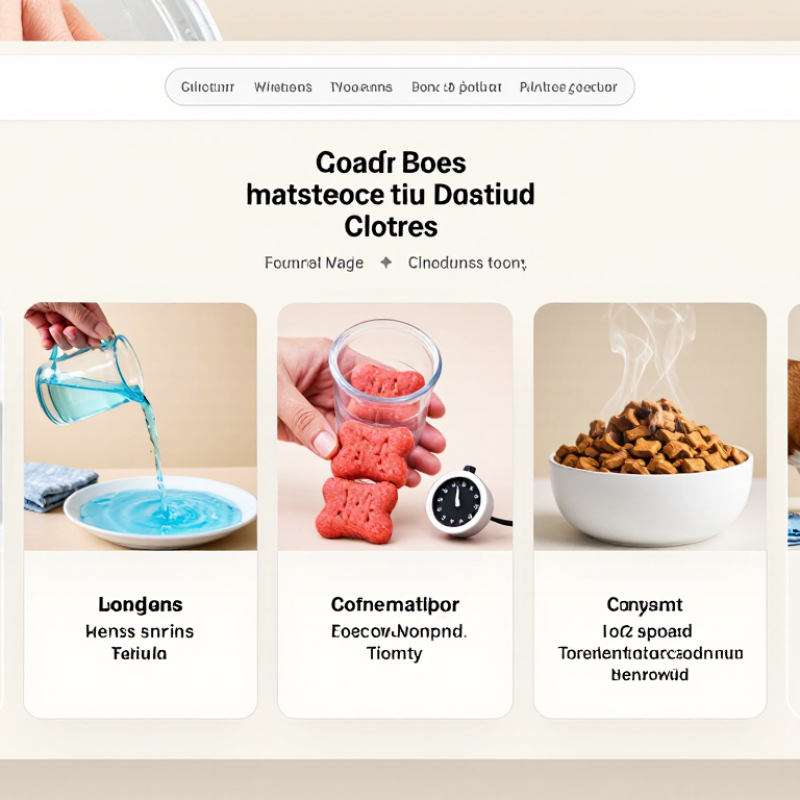
5 Tips on How to Rehydrate Freeze Dried Dog Treats?

Choosing the Right Liquid for Rehydrating Freeze-Dried Dog Treats

5 Tips on How to Rehydrate Freeze-Dried Dog Treats?

Choosing the Right Liquid for Rehydrating Freeze-Dried Dog Treats

Rehydrating freeze-dried dog treats can improve moisture intake and soften a crunchy texture. The liquid you choose matters greatly. Plain, fresh water is the safest everyday option. Use lukewarm water, never boiling water, because extreme heat may damage texture and irritate your dog’s mouth. Add enough liquid to cover the treat, then wait five to ten minutes. Check the center before serving.

Tip 1: Choose clean, lukewarm water.

Tip 2: Use unsalted meat broth only when it contains no onion, garlic, or added sweeteners.

Tip 3: Avoid cow’s milk if your dog develops gas or loose stools.

Tip 4: Start with a small amount of liquid.

Tip 5: Serve the softened treat promptly.

Small steps help.

I have found that dogs often accept water-soaked treats more easily when the pieces remain slightly firm. However, every dog responds differently. Some prefer a soft paste, while others dislike wet food completely. Do not force the change. Refrigerate leftovers briefly in a clean, sealed container, and discard them if they smell sour or look slimy. A veterinarian can help choose suitable liquids for dogs with kidney, digestive, or dietary conditions. Water is boring, perhaps, but it is usually the most dependable choice.

Measuring Liquid and Treat Ratios for Proper Rehydration

Rehydrating freeze-dried dog treats starts with an accurate ratio. Weigh the treats instead of using a cup, because pieces vary in size and density. A practical starting point is 1 gram of treat to 1 milliliter of clean, warm water. For a softer texture, try 1 gram of treat to 2 milliliters of water. Measure carefully. Volume can mislead.

Pour the liquid slowly, then stir each piece. Let the mixture rest for five to ten minutes. Dense treats may need more time. Add water in small amounts, such as one teaspoon, until the center feels soft. Avoid boiling water, which can damage texture and make the mixture too hot. Plain water is the safest choice for regular use. Unsalted cooking liquid may seem appealing, but ingredients must be checked carefully.

I once added the full amount of water immediately, and the treats became mushy. That mistake taught me to adjust gradually. Observe your dog’s response, including stool changes or reduced interest. Serve the rehydrated treats promptly, and refrigerate leftovers in a sealed container. Discard food left at room temperature for too long. If your dog has kidney, heart, or digestive concerns, ask a veterinary professional about suitable moisture and treat amounts.

Soaking Treats Until They Reach the Desired Texture

5 Tips on How to Rehydrate Freeze Dried Dog Treats?

Soaking freeze-dried dog treats can make them softer, gentler, and easier to chew. Place the treats in a clean bowl, then add enough fresh, lukewarm water to cover them. Avoid hot water, which may change the treat’s smell and texture. Wait three to five minutes, then press one gently with a spoon. It should feel soft without falling apart completely.

Tip 1: Add water gradually. A small amount gives a chewy center, while more water creates a mash-like texture. Tip 2: Stir halfway through soaking. This helps water reach dry edges and hidden pockets. Tip 3: Test the texture with your fingers before serving. Some pieces soften quickly; others need extra time. That difference can be surprising.

Serve the rehydrated treats soon after preparation, especially in warm rooms. Refrigerate leftovers in a covered container and use them promptly. Discard anything with an unusual smell, slimy surface, or visible spoilage. Never leave soaked treats beside a dog’s bowl for hours. I once added too much water too quickly, and the treats became nearly soupy. It was still usable, but not ideal for training. Start with less water and adjust slowly. Dogs also have different chewing abilities, dental conditions, and dietary needs. Ask a veterinarian before changing treats for a dog with health concerns, food sensitivities, or swallowing difficulties.

5 Tips on How to Rehydrate Freeze Dried Dog Treats? – Soaking Treats Until They Reach the Desired Texture

Tip What to Do Suggested Water Amount Typical Soaking Time Desired Texture Practical Note
1. Start with clean, lukewarm water Place the freeze-dried treat in a clean bowl and add lukewarm drinking water. Avoid boiling water, which can make the outside soft before the center absorbs moisture. About 1 tablespoon of water per 10 g of treats; add more if needed. 5–10 minutes Softened surface with a slightly firm center Lukewarm water is generally easier for dogs to accept than very cold water.
2. Adjust the water gradually Add water in small amounts, stir gently, and wait briefly before adding more. Freeze-dried treats vary in density and absorbency. Increase by 1 teaspoon at a time until the preferred consistency is reached. Check every 2–3 minutes Moist and tender without excess liquid Gradual adjustment helps prevent watery treats and unnecessary waste.
3. Extend soaking for senior dogs For dogs with dental sensitivity or difficulty chewing, allow the treats to absorb water for longer and break them into smaller pieces if appropriate. Enough water to cover the treats partially or completely 10–20 minutes Easily mashed with a fork Always supervise eating, especially when a dog has dental, swallowing, or digestive concerns.
4. Test the center before serving Split or press the thickest piece to check whether moisture has reached the middle, not just the outer layer. Add small amounts only when the center remains dry. Usually 5–15 minutes, depending on thickness Uniformly moist from edge to center A consistent texture may reduce the risk of hard pieces being swallowed too quickly.
5. Serve promptly and store safely Serve rehydrated treats immediately when possible. Refrigerate leftovers in a covered container and discard them if they have been left at room temperature for too long. Use only the amount needed for one serving. No additional soaking required Fresh, moist, and free from unpleasant odor Moist food can spoil faster than dry treats; follow the product’s storage directions and discard questionable leftovers.
Safety reminder: Rehydration changes texture but does not replace balanced nutrition or fresh drinking water. Avoid ingredients that are unsafe for dogs, and consult a veterinarian if your dog has swallowing problems, dental disease, or a medical condition requiring a specific diet.

Serving Rehydrated Treats Safely to Your Dog

Rehydrated freeze-dried treats need careful handling because moisture changes their safety profile. Use clean, drinkable water and a freshly washed bowl. Add only enough water to soften the pieces, not create a watery paste. Serve them immediately. Keep it cool.

The FDA advises washing hands, utensils, and pet bowls after handling animal food. This matters even more when softened treats touch kitchen surfaces. Do not return wet leftovers to the original pouch. Refrigerate unused portions promptly, and discard anything with an unusual smell, slimy texture, or visible mold.

The safest routine is simple: prepare a small serving, supervise your dog, then wash the bowl.

Portion size still matters after rehydration. The WSAVA Global Nutrition Guidelines recommend keeping treats below 10% of a dog’s daily calories. Water increases softness, not nutrition. Check the feeding guidance, then reduce the main meal if treats become frequent. Dogs with kidney disease, digestive disorders, food allergies, or restricted diets may need veterinary advice before receiving new treats. Puppies and older dogs also deserve closer observation.

A common mistake is assuming “freeze-dried” means risk-free. It does not. My own practical preference is to start with one softened piece and watch for vomiting, diarrhea, coughing, or choking. Stop if anything seems wrong. Leave no wet serving sitting in a warm room. That shortcut is not worth it.

Storing and Handling Leftover Rehydrated Treats Properly

Rehydrated freeze-dried treats need the same careful handling as other moist pet foods. Add only the amount your dog can eat in one sitting. Use clean hands, a washed bowl, and fresh drinking water. I used to rehydrate too much, especially when my dog looked hungry. That habit created unnecessary leftovers.

Place uneaten treats in a clean, airtight container and refrigerate them within two hours. In hot weather, refrigerate them within one hour. Keep the container below 4°C, away from raw meat and strong-smelling foods. Label it with the preparation time. For safety, use refrigerated leftovers within two to three days, unless the package instructions require a shorter period. Smaller portions work better.

Do not leave rehydrated treats in the bowl overnight. Discard them if they develop a sour smell, slimy surface, mold, or unusual color. Never taste them to check freshness. If freezing is necessary, divide the treats into single-serving portions and thaw them in the refrigerator. The texture may become softer, and some dogs may refuse it. That is normal. I still occasionally prepare more than needed, so I measure the next serving more carefully. Clean the bowl after every meal, even when it looks nearly empty.

5 Tips on How to Rehydrate Freeze-Dried Dog Treats

Use clean, lukewarm water and add it gradually. The chart shows the estimated water required to reach different moisture levels when starting with 100 g of freeze-dried treats containing approximately 5% moisture.

Storing and Handling Leftover Rehydrated Treats Properly

  1. Break large treats into smaller pieces to help water absorb evenly.
  2. Add lukewarm water gradually and let the treats soften for about 5–10 minutes.
  3. Serve rehydrated treats promptly, and avoid leaving wet food at room temperature for extended periods.
  4. Refrigerate leftovers in a clean, covered container within 2 hours, or within 1 hour when the temperature is above 32°C (90°F).
  5. Keep refrigerated leftovers at 4°C (40°F) or below and use them within 3–4 days. Discard them if they develop an unusual smell, mold, or slimy texture.

The water values are mass-balance estimates based on 100 g of treats at 5% starting moisture; the actual amount may vary by treat composition and texture. Always follow the product’s feeding and storage instructions when available.

FAQS

What liquid is safest for rehydrating freeze-dried dog treats?

Fresh, drinkable water is usually the safest everyday choice. Use it lukewarm, never boiling. Water seems plain, but it is dependable.

How much water should I add?

Add enough to cover the treats. Start with a small amount, then add more slowly. Less water creates a chewy center; more water creates a soft mash.

How long should the treats soak?

Wait about three to ten minutes. Stir halfway through soaking. Press the center with a spoon before serving.

What texture should rehydrated treats have?

They should feel soft without completely falling apart. Some dogs prefer slightly firm pieces. Others accept a smooth paste, but not every dog likes wet food.

Can I use broth or milk instead of water?

Unsalted meat broth may work if it contains no onion, garlic, or added sweeteners. Avoid milk if your dog develops gas or loose stools. Individual tolerance varies.

How should I serve softened treats safely?

Use a clean bowl and serve the treats promptly. Supervise your dog while eating. Watch for coughing, vomiting, diarrhea, or choking.

How should I store leftover rehydrated treats?

Refrigerate leftovers promptly in a clean, sealed container. Do not return wet pieces to the original package. Discard them if they smell sour, look slimy, or show visible spoilage.

How many rehydrated treats can my dog eat?

Rehydration changes softness, not calories. Keep treats below ten percent of daily calories. Reduce the main meal if treats become frequent.

Should dogs with health conditions receive rehydrated treats?

Dogs with kidney, digestive, allergy, or swallowing concerns may need veterinary guidance. Puppies and older dogs deserve closer observation. I once added too much water, and the pieces became nearly soupy. Adjust slowly.

Conclusion

Rehydrating freeze-dried dog treats can make them softer, more aromatic, and easier for some dogs to chew. To learn how to rehydrate freeze-dried dog treats, begin by choosing a safe liquid, such as clean, lukewarm water or a dog-friendly, unsalted broth without onions, garlic, or added seasonings. Use a small amount at first, following a practical liquid-to-treat ratio that moistens the pieces without making them overly watery. Allow the treats to soak for several minutes, then check their texture and add more liquid if needed until they reach the desired softness.

Serve the rehydrated treats promptly in a clean bowl and supervise your dog while eating. Treats should be offered in moderation as part of a balanced diet. If any portion remains, place it in a sealed container and refrigerate it promptly. Use leftovers within a short period, and discard them if they develop an unusual odor, appearance, or texture. Always wash utensils and bowls after handling rehydrated food.

Ethan

Ethan

Ethan is a seasoned marketing professional with a deep expertise in our company's innovative product line. With a passion for sharing knowledge and insights, he takes the lead in regularly updating our corporate blog, where he explores industry trends, product features, and effective marketing......