How to Transition Your Cat to Wet Food Effectively?

Time:2026-04-01 Author:Madeline
0%

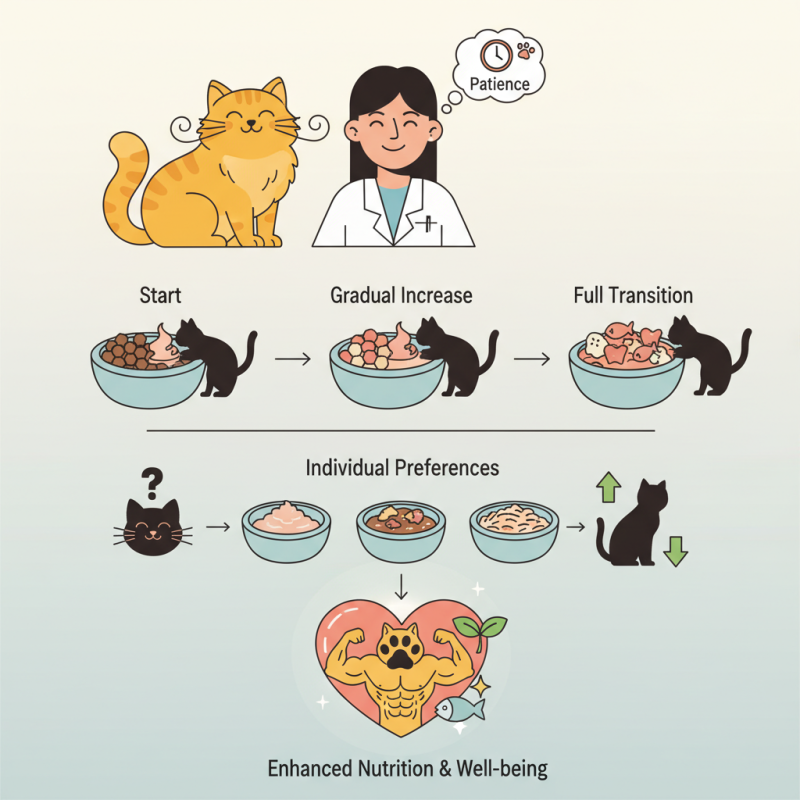
Transitioning your cat to wet food can be a challenging but rewarding task. According to Dr. Jane Anderson, a renowned veterinary nutritionist, “Patience is key when introducing wet food to your cat's diet.” Her advice highlights the importance of a gradual approach to this change. Cats may be resistant to new textures and flavors, requiring careful consideration of their preferences.

Begin by mixing a small amount of wet food with their regular dry food. This method allows them to adjust without feeling overwhelmed. Dr. Anderson suggests monitoring your cat’s response. If your cat rejects the new food, remind yourself that this process may take time. Gradually increase the wet food ratio as your cat becomes accustomed to it.

Keep in mind that each cat is unique. Some may adapt quickly, while others may hesitate. Providing multiple flavors can also spark curiosity. Ultimately, the goal is to enhance your cat's nutrition and overall well-being. Embrace the journey, and remember to be attentive to your cat's needs throughout this transition.
How to Transition Your Cat to Wet Food Effectively?

Understanding the Benefits of Wet Food for Your Cat

Wet food offers several benefits for your cat’s health and well-being. One significant advantage is hydration. Cats often don’t drink enough water. Wet food contains about 75% moisture, which helps keep your feline hydrated. This is especially important for their urinary tract health. It can reduce the risk of urinary crystals and stones.

Another benefit is nutrition. Wet food usually contains higher protein levels. Cats are obligate carnivores, meaning they need protein for energy and muscle maintenance. Wet food can also be easier for older cats or those with dental issues to eat. However, transition periods can vary. Some cats may take time to adapt. They might initially resist the change. Gradually introducing wet food can assist. Mixing small amounts with dry food may help ease the transition.

Pay attention to your cat's reactions. Rejection can occur, requiring patience. Frequent monitoring is essential. Observing their health and behavior can determine if they are adjusting well. Each cat is unique. What works for one might not work for another. Give your cat time to explore this new diet.

Assessing Your Cat's Readiness for a Dietary Change

Transitioning your cat to wet food can be a significant dietary change. Assessing your cat's readiness is crucial. Studies suggest that nearly 40% of cats favor wet food due to its moisture content and palatability. Monitoring your cat's health before this switch is essential. Any signs of illness should be considered seriously.

Start by observing your cat’s current diet. Are they eating well? Any signs of boredom with dry food? If so, they might be ready for a change. Introduce wet food gradually. Mixing small amounts of wet food with dry can help your cat adjust.

**Tips:** Observe their behavior closely during the transition. If they refuse the new food, patience is key. Consult your veterinarian for personalized advice tailored to your cat's specific health needs. Remember, not all cats take to wet food immediately.

Transitioning is not just about food; it can impact your cat's hydration and overall well-being. Statistics show that 60% of cats are chronically dehydrated, which wet food can alleviate. Always ensure the chosen wet food is suitable for your cat's age and health status. Be prepared to reevaluate their reaction to ensure their comfort.

How to Transition Your Cat to Wet Food Effectively?

Assessment Criteria Description Recommended Action
Age of Cat Ensure your cat is at least 6 months old for dietary changes. Confirm suitability for wet food.
Health Status Check for any specific health issues or sensitivities. Consult a vet if necessary before transitioning.
Current Diet Evaluate current dry food and any allergies. Select a suitable wet food that complements current diet.
Preference Monitor your cat's preferences for flavor and texture. Experiment with various options to find favorites.
Transition Method Gradually mix wet food with current dry food. Increase wet food ratio over 7-10 days.
Hydration Assess overall water intake during transition. Ensure access to fresh water at all times.

Choosing the Right Wet Food for Your Cat's Needs

Choosing the right wet food for your cat's needs involves understanding their specific dietary requirements. Cats are obligate carnivores, meaning they thrive on meat. Look for wet foods with high protein content. Check the ingredient list. Real meat should be the first ingredient. Avoid foods with fillers like corn or soy.

Consider your cat’s age, health, and activity level. Kittens need more calories than adults. Senior cats may require a softer texture or lower calories. Some cats have sensitivities or allergies. If your cat has specific health issues, consult your veterinarian for tailored advice.

Transitioning to wet food is not always smooth. Your cat might resist change. Start by mixing a small amount of wet food with their dry food. Gradually increase the wet food ratio. Watch their response. Some cats take to it quickly, while others need time. Patience is key. Observe their eating habits and adjust accordingly.

Implementing a Gradual Transition Plan for Wet Food

Transitioning your cat to wet food requires a careful and gradual approach. Cats can be sensitive to changes in their diet. A sudden switch may lead to digestive upset or rejection of the new food. According to a survey by the American Veterinary Medical Association, about 70% of pet owners reported their cats being picky eaters. Thus, a positive transition ensures better acceptance and enjoyment.

Start the process by mixing small amounts of wet food with the current dry food. Over a week or two, gradually increase the proportion of wet food. Monitoring your cat’s reactions is crucial. If your cat shows signs of discomfort, such as vomiting or refusing to eat, reduce the wet food ratio. It's essential to balance the new food's nutritional value. Research from the Association of American Feed Control Officials highlights that wet food can offer improved hydration and protein intake compared to dry food.

Creativity can help during this transition. Experiment with different textures or flavors. You might find your cat has a preference that surprises you. Document your cat's eating habits and adjust your approach based on their response. Not every transition is smooth, and it’s okay to feel frustrated if the process takes longer than expected. Observing your cat's behavior can guide you toward a successful outcome.

Transitioning Your Cat to Wet Food: Gradual Transition Plan

Monitoring Your Cat's Health and Preferences During the Change

Transitioning your cat to wet food can be a delicate process. Monitoring your cat's health during this change is vital. Start by observing their reactions to the new food. Some cats might be hesitant initially. It's essential to give them time to adjust. Look for signs of stomach discomfort or changes in their behavior.

Keep track of their eating habits. Note how much they consume daily. If your cat rejects the wet food, don’t force it. Instead, consider mixing a small amount with their dry food. This gradual introduction can ease the transition. Additionally, monitor their water intake. Wet food has higher moisture content, which can influence their hydration levels.

Pay attention to their overall health. Weight changes can be subtle, so weigh your cat regularly. A sudden loss or gain can indicate an issue. Check for any digestive problems as well. Soft stools or vomiting aren’t normal signs and may require veterinary advice. Remember, each cat is unique, and adapting to diet changes can take time. It's essential to be patient and flexible during the process.

FAQS

: How can I choose the right wet food for my cat?

: Look for high protein content. Real meat should be the first ingredient. Avoid fillers like corn or soy.

What should I consider about my cat when selecting food?

Consider their age, health, and activity level. Kittens require more calories than adult cats.

How do I transition my cat to wet food?

Start by mixing a small amount of wet food with dry food. Gradually increase the wet food ratio.

What if my cat is hesitant to try wet food?

It's normal for cats to resist. Give them time to adjust. Patience is essential during this transition.

How can I monitor my cat's health during the change?

Observe their reactions. Look for signs of discomfort. Keep track of their eating habits and behaviors.

What if my cat rejects the wet food?

Don’t force it. Mix a little wet food with dry food to help ease the transition.

How should I check my cat's hydration levels?

Monitor their water intake. Wet food provides moisture that can affect their overall hydration.

What signs indicate a dietary issue with my cat?

Look for weight changes, digestive problems, or unusual behaviors. Vomiting or soft stools may need veterinary advice.

How often should I weigh my cat?

Weigh your cat regularly to check for subtle weight changes. This can help identify potential issues.

Is it normal for the diet change to take time?

Yes, each cat is unique. Be patient and flexible during the process of adapting to new food.

Conclusion

Transitioning your cat to wet food can be a rewarding process that enhances their overall health and hydration. To effectively accomplish this, it's essential first to understand the numerous benefits of wet food, such as improved moisture intake and enhanced palatability. Next, assess your cat's readiness for this dietary change by observing their current preferences and health status. Selecting the right wet food tailored to your cat’s specific nutritional needs is crucial.

When you know how to transition a cat to wet food, implementing a gradual adjustment plan is key. Start by mixing small amounts of wet food with their current dry food, slowly increasing the proportion over time. This approach helps minimize digestive upset and allows your cat to adapt to the new texture and taste. Throughout the transition, closely monitor your cat's health and preferences to ensure they are responding well to the change.

Madeline

Madeline

Madeline is a dedicated marketing professional with a wealth of expertise in our company's core offerings. With a keen understanding of the industry, she brings a unique perspective to her role, consistently delivering high-quality content that highlights the superior aspects of our products. As......