Transitioning a cat to wet food can be a challenge. Many cat owners find their feline friends reluctant to change their diet. Understanding how to transition a cat to wet food requires patience and a strategic approach.
Start slowly by mixing wet food with dry food. This gradual process helps your cat adjust. Observe their reactions closely. Some cats might resist at first, showing signs of reluctance or disinterest. Others might gobble it up eagerly. It's essential to keep trying different flavors and textures.
Remember, each cat is unique. Some may take to wet food immediately, while others take weeks. If your cat is not on board, don’t lose hope. Assess their preferences and adjust accordingly. Consult your veterinarian for advice if needed. Their expertise can guide you through this transition smoothly.
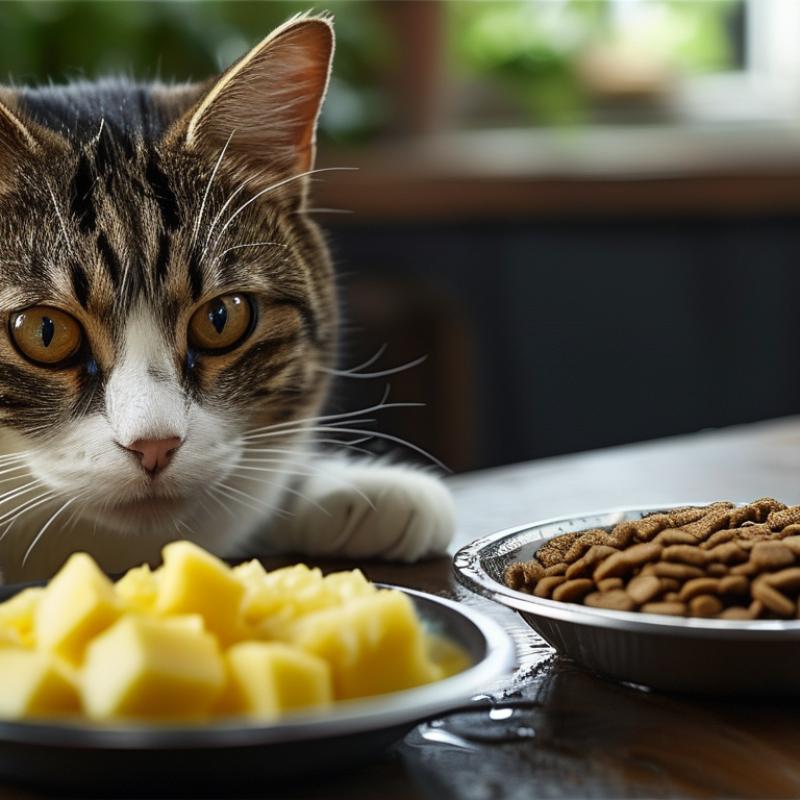
Wet food offers several substantial benefits for cats. One major advantage is hydration. Cats often do not drink enough water, leading to urinary tract issues. A study by the Journal of Veterinary Internal Medicine indicates that cats consuming wet food have a 30% lower risk of urinary problems. This increased moisture content helps maintain healthy kidney function.
Moreover, wet food can be more palatable for picky eaters. Its aroma and texture are appealing. According to a survey by Pet Food Industry, 90% of cat owners reported their pets preferred wet food to dry kibble. This increased enjoyment can lead to better eating habits and overall health improvement.
However, there are some challenges when transitioning cats to wet food. Cats may initially resist due to unfamiliarity. Gradual introduction is beneficial. Mixing wet food with dry or offering different flavors can help. Understanding your cat's preferences is key to a successful transition. While wet food can enhance health, monitoring your cat's response is essential. Each cat is unique, and their reactions may vary.
| Benefit | Description | Nutritional Value | Transition Tips |
|---|---|---|---|
| Increased Hydration | Wet food contains a high moisture content, which helps to keep cats hydrated. | Typically 70-80% moisture | Start by mixing wet food with dry food in small amounts. |
| Improved Palatability | Cats often find wet food more appealing than dry food. | Rich in protein and fats, can vary by formula | Introduce new flavors gradually to find the preferred one. |
| Weight Management | Wet food can help with weight management due to lower calorie density. | Less calorie-dense compared to most dry foods | Monitor portion sizes during the transition. |
| Dental Health | Wet food can reduce the likelihood of tartar buildup. | Varies by product; some may add dental benefits | Regular dental check-ups and dental treats might still be needed. |
Transitioning your cat to wet food can be a delicate process. Recognizing when your cat is ready for this change is crucial. Cats often show signs of readiness, such as increased interest in your food or visible boredom with dry kibble. According to a study by the Journal of Feline Medicine and Surgery, roughly 70% of cats have a preference for the aroma and taste of wet food. This innate preference can guide you during the transition.
Changes in your cat’s behavior or health can also indicate readiness. Weight fluctuations may signal that it’s time to adjust their diet. A report from the Association for Pet Obesity Prevention found that over 60% of cats are classified as overweight. Offering wet food can help with hydration and assist in their weight management. Watch for increased thirst or a change in litter box usage. These behavioral signals can help affirm that your cat is responding well to the new food.
It's essential to remember that every cat is unique. Some may resist the transition, leading to frustration for both pet and owner. Consider gradual mixing of wet food with dry food to ease the changes. This approach allows you to monitor your cat's response. Do not hesitate to consult your veterinarian if you notice any adverse reactions or if you feel uncertain about your cat's diet.
This chart represents various indicators to assess whether a cat is ready to transition to wet food. Factors such as the cat's age, total wellness score, interest in wet food, and current diet quality are crucial for making the transition smooth and successful.
Transitioning your cat to wet food can be challenging. Many cats are used to dry food. A gradual approach is key for success. Start by mixing a small amount of wet food with their current dry food. Aim for a ratio of 75% dry to 25% wet during the first few days. This helps your cat adjust to new textures and flavors without feeling overwhelmed.
Observe your cat's reactions during this period. Some cats may enjoy the new food, while others could be hesitant. Patience is essential. If your cat resists, try warming the wet food slightly to enhance its aroma. According to a study by the Journal of Feline Medicine and Surgery, a cat's olfactory senses are crucial for food acceptance. Thus, an enticing scent can encourage them to take the plunge into wet food.
As the days progress, gradually increase the wet food portion. A common practice is to switch to a 50/50 blend after a week, then shift to more wet food. This can take time, sometimes weeks, based on your cat’s preferences. Always monitor their health and behavior during the transition. If they show signs of distress, slow down the process. Each cat’s journey is unique; understanding their needs is vital.
Transitioning your cat to wet food can be a delicate process. Monitoring their reactions during this time is essential. Begin by offering small amounts alongside their dry food. This gradual introduction helps them adjust without overwhelming their senses. Pay attention to their body language and eating habits.
If your cat shows hesitation, it's important to observe closely. Look for signs of interest or disgust. Some cats may sniff and walk away, while others may dive in eagerly. Don't rush the process. Adjust the amount of wet food based on their response. A little enthusiasm is good, but a complete aversion might require a different approach altogether.
In some cases, cats may take time to accept the new texture and taste. You might notice they initially eat less. This could cause concern, but patience is key. Always be ready to try various types of wet food. Consider factors like flavor, texture, and even temperature. Every cat is unique, so what works for one may not work for another. Document your observations to identify patterns. This information can help refine your approach and ensure a smoother transition.
When transitioning your cat to wet food, maintaining a balanced diet is crucial. It's essential to choose wet food that meets the nutritional standards set by veterinary associations. According to the Association of American Feed Control Officials (AAFCO), a complete and balanced diet for cats should contain the right levels of protein, fat, and essential nutrients. Cats require a primary source of animal protein. Look for options with meat listed as the first ingredient.
Wet food can significantly increase your cat's hydration. This is especially beneficial for cats prone to urinary tract issues, as studies indicate that a higher moisture content in diet can reduce these risks. However, not all wet foods are equally nutritious. Some may contain fillers and artificial additives that don't contribute to a healthy diet. It's important to read labels carefully and consult with a veterinarian on choosing high-quality options.
Transitioning should be gradual, mixing wet food with dry food over several days. This process allows your cat's digestive system to adjust. Keep an eye on their weight and health throughout this transition. It's not uncommon for some cats to resist new food or prefer one type over another. If your cat shows signs of confusion or rejection, it may take longer to acclimate. Patience and attentiveness are key.
: Look for signs like increased interest in food or boredom with dry kibble.
Studies show about 70% of cats prefer the taste and aroma of wet food.
Weight fluctuations and increased thirst may signal it's time to adjust their diet.
Wet food can improve hydration and assist in managing your cat’s weight.
Try warming the wet food slightly to enhance its aroma and appeal.
Start with a mix of 75% dry food and 25% wet food for the first few days.
Monitor their health and behavior closely for signs of happiness or distress.
Rapid changes can be stressful for cats, so a gradual transition is recommended.
Slow down the process and consult your veterinarian if distress continues.
It can take weeks, depending on your cat's preferences and behavior.
Transitioning your cat to wet food can greatly benefit their health, offering increased hydration and palatability. To successfully navigate this change, it is important to first recognize if your cat is ready for a diet change, such as observing their eating habits and preferences. The process should be gradual; begin by mixing small amounts of wet food with their current dry food, slowly increasing the proportion of wet food over time.
During the transition, monitoring your cat's reaction is crucial to ensure they are adjusting well. Keep an eye on their appetite and overall behavior. Additionally, maintaining a balanced diet with appropriate wet food options is essential to meet all their nutritional needs. By following these steps on how to transition a cat to wet food, you can help ensure a smooth and successful dietary change for your feline friend.
Zesty Pet