Understanding pet food ingredient labels is crucial for making informed decisions. As pet owners, we want the best for our furry friends. However, navigating the complexities of these labels can be challenging. This guide will help you learn how to read pet food ingredient labels effectively.
When examining a label, consider the first few ingredients. They make up the majority of the product. Look for high-quality proteins, whole grains, and vegetables. Be cautious of vague terms like "meat by-products." They can hide questionable components. Familiarize yourself with common additives and preservatives. Not all are harmful, but some can cause reactions in sensitive pets.
Reflect on your pet's specific needs. Every animal is different. A one-size-fits-all approach doesn’t apply here. Engaging with your veterinarian is a smart step. They can provide insights based on your pet’s health history. In 2026, the pet food industry will likely evolve. Staying informed will empower you to make the best choices. The right knowledge leads to better nutrition for your pets.
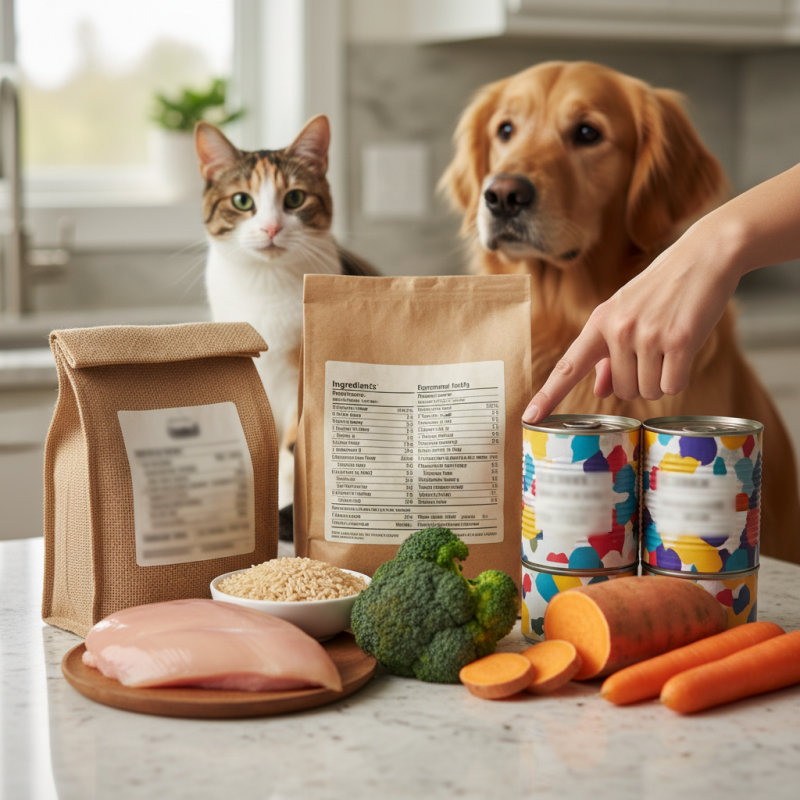
Understanding pet food ingredient labels can be a daunting task for many pet owners. The labels often contain various terms and ingredients that may be unfamiliar. To decode these labels, it's essential to start with the first few ingredients, as they represent the main components of the food. Common protein sources include meat, fish, or plant proteins. Grain-free options are popular, but not always necessary unless advised by a veterinarian.
Consider the nutritional breakdown as well. Look for a balance of proteins, fats, vitamins, and minerals. Some labels highlight added nutrients, such as omega fatty acids for skin health. Yet, it's important to question the presence of filler ingredients like corn or soy, which may not provide optimal nutrition. The inclusion of meat by-products could raise eyebrows too; it is often less desirable than whole meat sources.
Keep in mind that labels can be misleading. Terms like "premium" or "natural" are not regulated and might not guarantee quality. A pet food brand may claim to be “organic,” yet still include questionable ingredients. Transparency is key; reliable brands usually provide detailed information on sourcing and processing. Aim for a food that fits your pet's specific dietary needs, but be open to reassessing your choice as new information and research become available.
: Start with the first few ingredients to identify the main components of the food.
Grain-free options are popular, but consult a veterinarian for individual dietary needs.
Check for a balance of proteins, fats, vitamins, and minerals listed on the label.
Filler ingredients like corn or soy may not provide optimal nutrition. Be aware of their presence.
Yes, terms like "premium" or "natural" are not regulated and may not ensure quality.
Look for specific protein sources listed first, like whole meat rather than "meat by-products."
A vet can provide personalized advice on your pet's unique dietary needs.
No, healthy fats like Omega-3 and Omega-6 can contribute positively to overall health.
Yes, lower glycemic index grains can help manage weight and energy levels in pets.
Be open to reassessing your choice as new information and research become available.
Understanding how to read pet food ingredient labels is essential for pet owners who wish to make informed dietary choices for their animals. This comprehensive guide emphasizes the importance of understanding the nutritional insights found on these labels, enabling caregivers to recognize what their pets truly need. By familiarizing themselves with key terminology, owners can decode the jargon often present, allowing for better comprehension of the ingredients listed.
Identifying quality ingredients is also critical when selecting the best pet food for 2026. When evaluating options, pet owners should look for high-quality proteins, wholesome grains, and fresh produce that contribute to overall pet health. Ultimately, making informed choices based on thorough label understanding can lead to a happier, healthier life for pets.

 Zesty Pet