When a cat begins eating wet food, its water bowl may look untouched. This change often worries attentive owners. Wet cat food commonly contains substantial moisture, so your cat may absorb more fluids during meals. That can reduce visible drinking without indicating a health problem. Still, food quality matters, especially when choosing China best wet cat food for daily feeding. Check the ingredient list, guaranteed analysis, manufacturing information, and appropriate nutritional claims. A trustworthy product should identify its animal protein sources and provide complete and balanced nutrition for your cat’s life stage.
So, why is my cat drinking less water on wet food? The answer may be simple, but observation remains important. Watch the litter box, energy level, appetite, gums, and skin elasticity. Normal urination and playful behavior are reassuring signs. Dry gums, repeated vomiting, weakness, constipation, or very little urine require prompt veterinary attention. Do not force water or change food suddenly without professional guidance. A wide ceramic bowl, fresh water, and several quiet drinking locations may help. Some cats prefer moving water, while others dislike bowls near litter boxes. Cats can be strangely particular.
This topic also deserves honest caution. Reduced bowl drinking is not proof that hydration is perfect. Individual needs vary with age, kidney health, weather, activity, and diet. Keep a simple daily note for several days. Share meaningful changes with a licensed veterinarian. That practical record can reveal patterns that one hurried glance misses.
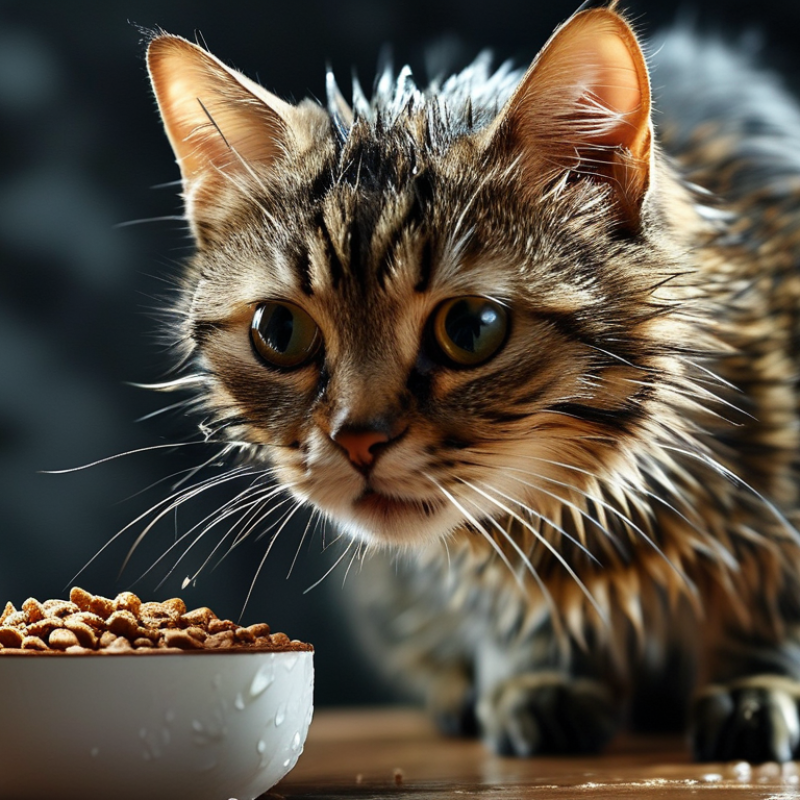
Why Wet Cat Food Can Reduce Your Cat’s Water Intake
China Best Wet Cat Food Why Is My Cat Drinking Less Water?
Wet food can reduce the water your cat drinks from its bowl because it already contains substantial moisture. Many wet diets contain roughly 70–80% water. A 150-gram serving may provide about 105–120 milliliters of fluid. Your cat may simply feel less thirsty afterward. That can be normal.
In daily feeding, I have noticed this change often surprises owners. The bowl stays full, while the litter box appears slightly wetter. Total fluid intake may still be adequate. However, each cat differs, especially with kidney disease, urinary problems, diabetes, or hot weather. Watch urine volume, appetite, energy, and gum moisture. Dry gums, repeated vomiting, weakness, or very little urine need prompt veterinary attention.
Portion size also matters. A cat eating only a few bites receives less water than the label suggests. Choose complete, nutritionally balanced wet food from a reliable source, and follow professional feeding guidance. You can offer fresh water in several quiet locations, away from the litter box. Some cats prefer a wide ceramic bowl or moving water. Avoid forcing water into the mouth, since aspiration can occur. I once assumed a full water bowl meant good hydration; that was too simplistic. Measuring food and observing litter habits gives a clearer picture. Frequent changes in drinking or urination deserve a veterinary check, even when wet food is part of the diet.
How Much Water Should a Healthy Cat Drink Each Day?
A healthy cat usually needs about 50–60 millilitres of total water per kilogram of body weight daily. A 4-kilogram cat may need roughly 200–240 millilitres. This includes moisture from food, not only drinking water. The National Research Council’s Nutrient Requirements of Dogs and Cats explains that water needs vary with diet, activity, temperature, and health. FEDIAF’s 2024 nutritional guidelines also stress constant access to fresh water, rather than one rigid target.
Wet cat food often contains around 70–80% moisture. Therefore, a cat eating it may drink less from its bowl. This can be completely normal. In my experience, measuring the bowl alone creates confusion. A cat may consume substantial water through each meal. Still, a sudden reduction in drinking deserves attention, especially with dry gums, weakness, vomiting, or smaller urine clumps. That change should not be dismissed.
Tips:
Weigh your cat and multiply its weight by 50–60 millilitres. Track food moisture for several days. Offer multiple clean bowls in quiet places. A wide ceramic bowl may feel more comfortable than a narrow one. Never force water into a cat’s mouth. If drinking, urination, or appetite changes suddenly, contact a veterinarian. The 50–60 millilitre guide is useful, but imperfect. Individual cats can differ.
Normal Reasons Cats Drink Less Water on a Wet-Food Diet
A cat may drink less water after switching to wet food, and this is often normal.
FEDIAF’s 2024 Nutritional Guidelines describe many wet foods as containing roughly 70–80% moisture. Dry foods commonly contain about 8–10%. That difference can change the water bowl dramatically. Your cat may still receive enough fluid through each meal.
The National Research Council’s Nutrient Requirements of Dogs and Cats explains that dietary moisture influences feline water intake. Cats eating moisture-rich meals often drink less separately, while their total water intake may remain adequate. Watch the litter box, not only the bowl. Normal urine clumps, moist gums, steady appetite, and regular energy are reassuring signs. A cat licking gravy from a shallow dish may be drinking more than it appears.
However, “less drinking” is not automatically harmless. Sudden reduction, tiny urine clumps, repeated litter-box visits, vomiting, or hiding deserves veterinary attention. Kidney disease, dental pain, nausea, and urinary problems can also alter drinking behavior.
Do not force water into your cat’s mouth. Offer several clean bowls, refresh them daily, and keep them away from litter trays. I used to judge hydration by bowl level alone. That was too simplistic. A measured daily portion and a simple urine log can reveal patterns better, although home observations are not a diagnosis.
Warning Signs That Reduced Water Intake Requires Veterinary Care
When a cat eats wet food, drinking less from the bowl can be normal. Moist meals may provide much of its daily fluid. That change alone does not prove illness. However, reduced water intake deserves close observation, especially when it appears suddenly.
Watch the litter box carefully. Very small urine clumps, repeated trips, straining, or no urine require urgent veterinary care. A blocked urinary tract can become life-threatening, particularly in male cats. Other warning signs include sticky gums, sunken eyes, unusual sleepiness, weakness, vomiting, diarrhea, dry nose, or rapid breathing. Weight loss and a sudden appetite change also need professional assessment. Do not wait for thirst to return.
Offer several clean water bowls away from food and litter. A quiet location may encourage drinking. Never force water into a cat’s mouth, because aspiration can occur. If your cat refuses water for a day, or drinks far less while acting unwell, contact a veterinarian promptly. I may misjudge a normal routine change, so measured observation matters. Record meal amounts, water levels, urine clumps, and behavior for twelve to twenty-four hours. Bring those notes to the clinic. Cats often hide discomfort until their condition has worsened.
China Best Wet Cat Food: Why Is My Cat Drinking Less Water?
Estimated daily water contribution for a 4.5 kg adult cat
An average adult cat needs approximately 50 mL of total water per kg of body weight daily, including moisture in food. For a 4.5 kg cat, this is about 225 mL per day. Wet food commonly contains about 75–80% water, while dry food usually contains about 6–10%, so a cat eating wet food may drink less from the bowl without being dehydrated.
Contact a veterinarian promptly if reduced drinking occurs with lethargy, weakness, vomiting, diarrhea, dry or sticky gums, sunken eyes, reduced urination, straining to urinate, or a sudden change in appetite. Persistent changes in water intake also require veterinary assessment.
Illustrative estimates based on typical moisture ranges; individual needs vary with health, diet, activity, and environment.
How to Choose the Best Wet Cat Food in China for Hydration
When a cat eats more wet food, drinking less water can be normal. The U.S. Food and Drug Administration notes that canned pet food often contains about 75% moisture, while dry food usually contains around 10%. This difference can visibly change the water bowl level.
In China, choose wet food with a clearly stated moisture percentage and a complete-and-balanced nutritional claim. FEDIAF’s Nutritional Guidelines for Complete and Complementary Pet Food for Cats and Dogs, updated in 2024, emphasizes adequate nutrients across life stages. Check protein sources, taurine, calories, and mineral information. Avoid judging quality by meat pictures alone. Labels can look impressive, but they may hide limited nutrition details.
A practical test is simple. Offer a small portion at room temperature, then observe stool, appetite, and urination. Cats often prefer stronger aromas and softer textures. Add one spoonful of clean water if your cat accepts it. Do not force the change. The National Research Council’s Nutrient Requirements of Dogs and Cats explains that water needs vary with diet, activity, temperature, and health. A cat eating wet food may drink less, yet sudden changes still deserve attention. I would not rely on thirst alone. Monitor urine clump size, energy, and gum moisture. If urination decreases, vomiting appears, or appetite falls, contact a qualified veterinarian promptly. Even careful feeding plans can miss an individual cat’s needs.
Conclusion
Wet cat food contains far more moisture than dry food, so it is normal for a cat to drink less from its water bowl after switching diets. This explains why is my cat drinking less water on wet food: the cat may already be receiving much of its daily hydration through meals. A healthy cat’s water needs vary according to body size, activity, temperature, and diet, but fresh water should always be available. Normal changes include smaller drinks, fewer visits to the bowl, and steady energy, appetite, and urination.
However, reduced drinking should not be ignored if it occurs with lethargy, vomiting, diarrhea, dry gums, constipation, weight loss, painful urination, or a sudden change in appetite. Veterinary care is especially important for cats with kidney, urinary, or other chronic conditions. When choosing the best wet cat food in China for hydration, consider a high moisture content, balanced nutrition, suitable texture, clear ingredient information, and your cat’s age and health needs. Gradual diet changes can also help prevent digestive upset.

 Zesty Pet