Cats are fascinating creatures with unique preferences. One of the biggest questions among cat owners is, "why do cats love lickable cat strips so much?" These treats capture their attention instantly. The texture, aroma, and flavor are simply irresistible to our feline friends.
Lickable cat treats have a creamy and smooth consistency. This makes them easy for cats to lap up, creating a delightful experience for them. The enticing scent draws them in, often causing them to meow or purr with excitement. Moreover, these treats often contain essential nutrients, appealing to both their taste buds and health needs.
Understanding the reasons behind their attraction can help pet owners make informed choices. However, not all cats will respond the same way. Each cat has its own taste, and preferences can vary widely. Finding the right mix of flavor and texture is essential for all cat lovers aiming to spoil their pets.
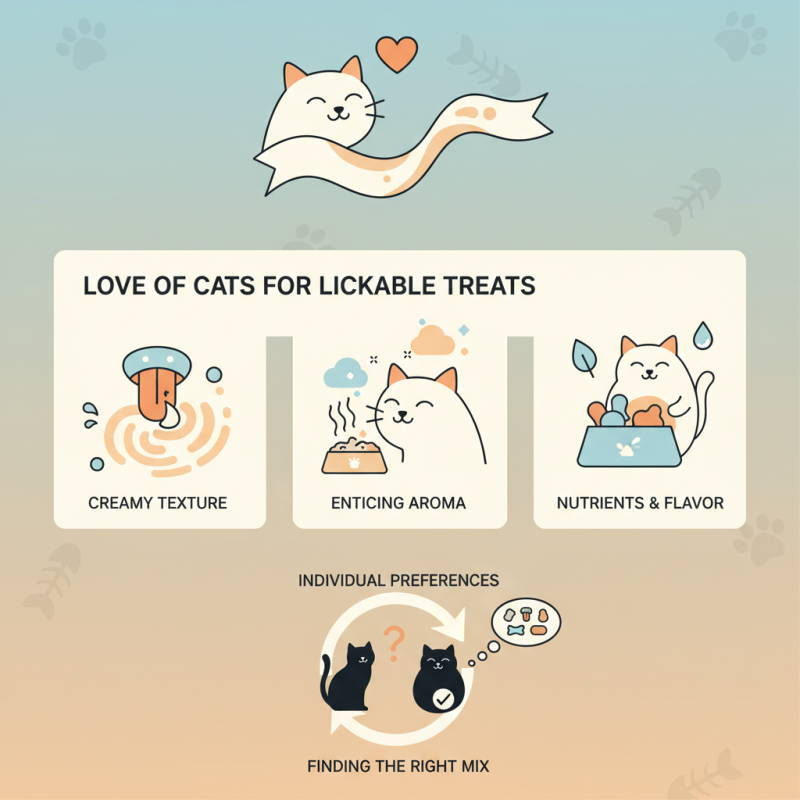
Cats have an extraordinary affinity for lickable treats. Why is that? The significance of flavor and texture plays a crucial role. A study from the Journal of Feline Medicine and Surgery found that cats rely heavily on their sense of taste to determine the appeal of treats. Ninety percent of cats preferred treats with rich, meaty flavors. This preference highlights the importance of understanding feline taste buds.
Additionally, texture greatly influences a cat's enjoyment. Lickable treats provide a unique experience; they offer a smooth, creamy texture that many cats find irresistible. Research from the American Animal Hospital Association indicates that cats are more likely to engage with treats that have varied textures. Creamy treats can satisfy their natural instincts. They mimic the texture of prey, which can be an effective way to encourage eating, especially in finicky cats.
However, not all lickable treats are created equal. Some may lack essential nutrients, leading to health concerns. Pet owners should be mindful of additives and unhealthy ingredients. A proportion of cat owners may overlook nutritional values for flavor; this could lead to long-term health issues. Understanding flavor and texture is vital, but so is selecting high-quality ingredients.
Cats are known for their selective tastes. This makes understanding their sensory preferences vital. Lickable cat treats provide a unique experience. The texture and flavor align perfectly with what many cats desire. When a cat licks a treat, it engages multiple senses. The smooth texture feels pleasant on their tongues. The rich flavors excite their taste buds, drawing them back for more.
Moreover, the aroma of these treats adds an irresistible element. Cats have a keen sense of smell, far superior to that of humans. This scent enhances their interest, making the treat even more appealing. The act of licking also mimics grooming behavior. For cats, this familiar action brings comfort. It’s not just about eating; it’s an experience that taps into their instincts.
However, not all cats react the same way. Some might prefer crunchy textures. Others may show less enthusiasm for certain flavors. This variability is worth noting. Understanding your cat’s preferences requires observation. Each cat's unique tastes shape their response to those delectable, lickable treats.
Lickable cat treats have gained immense popularity among feline companions. These treats often contain essential vitamins and minerals, which play a crucial role in a cat's overall health. According to recent studies, approximately 70% of cat owners seek treats that not only satisfy their pets' taste preferences but also contribute to their nutritional needs. Many lickable treats are made with high-quality protein sources, enhancing their appeal.
Nutrition in these treats can impact a cat's energy levels and health. A report from the Pet Food Institute indicates that nearly 47% of cats suffer from obesity-related issues. Treats that are rich in nutrients can help manage weight while still providing flavor. However, it's essential to monitor the quantity consumed, as overindulgence can negate the benefits. Many cat owners may overlook portion sizes, leading to potential health risks.
Cats often prefer wet textures; this is partly why lickable treats catch their interest. A survey showed that 65% of cats show a strong preference for moist over dry alternatives. The act of licking can also be soothing and comforting for them. It's crucial to provide a balance in their diets, but owners must ensure that licking habits don’t replace their regular meals.
Cats have a profound connection to lickable treats, and this connection speaks volumes about their psychological needs. These treats are easy to consume and often have a strong aroma that intrigues our feline friends. When a cat savors these snacks, it triggers pleasure centers in their brain. Happiness is expressed through purring and playful behavior, enriching their overall experience.
Moreover, these treats can foster a sense of security and comfort for cats. The act of being offered a treat can feel like praise or affection from their owners. This promotes trust, turning treat time into a bonding experience. However, one must be cautious. Overindulgence can lead to health issues, which might negate the psychological benefits that treats offer. Balancing treat frequency and quantity is vital for a healthy relationship.
It’s interesting to observe that some cats may initially seem uninterested in treats, challenging the notion that all cats adore them. On further exploration, it may reflect their mood or health rather than a rejection of the treat itself. Understanding these nuances can improve our approach to their care. Acknowledging such imperfections helps in developing a deeper relationship with our pets.
Cats often display a strong preference for lickable treats, and understanding the psychological benefits can help cat owners foster better behavior. The following chart illustrates the different factors influencing a cat's enjoyment of these treats.
When it comes to cat snacks, lickable treats stand out for several reasons. These treats have a unique texture, making them easy for cats to enjoy. Cats are attracted to the smooth consistency, which adds an element of fun to their eating experience. Unlike crunchy treats, lickable options provide instant gratification and encourage engagement. Many cats show a preference for them, often coming back for more.
Comparing lickable treats to crunchy alternatives reveals interesting differences. Crunchy snacks may promote dental health, but they don’t offer the same level of excitement. Cats may chew on crunchy treats but often seem less enthusiastic. Lickable treats engage their senses more and can also be a bonding experience during meal times. The flavors and aromas of these treats often mimic real meat, appealing directly to their instincts. However, it’s essential to monitor how these treats fit into their diet, as overindulgence can lead to health issues.
Pet owners should reflect on their cats’ preferences when choosing snacks. It isn’t always easy to know what their pets truly enjoy. Some cats may not take to lickable treats right away, and coaxing them to try new snacks can be a challenge. Experimenting with different varieties helps identify what resonates most with each cat. It adds a layer of connection between pet and owner, as understanding their choices becomes a delightful journey.
: They often contain essential vitamins, minerals, and high-quality protein sources.
Cats prefer moist textures. Treats provide comfort and trigger pleasure when savored.
They can assist with energy levels and weight management if consumed in moderation.
Approximately 47% of cats face obesity-related health problems.
Overindulgence can lead to health risks, outweighing the nutritional benefits of treats.
Not always. Some cats might show disinterest due to mood or health reasons.
Treats can feel like praise, fostering trust and creating a bonding experience.
Balance frequency and quantity. Overindulgence can undermine the positive effects of treats.
Yes, reliance on treats might lead cats to neglect their regular meals.
Understanding individual cat preferences and behaviors can improve care approaches.
Cats are known for their discerning tastes, and one interesting question arises: why do cats love lickable cat strips so much? The answer lies in several key factors. The flavor and texture of these treats are specifically designed to cater to a cat’s sensory preferences, making them irresistible. Cats have a keen sense of taste and texture, and lickable treats offer a unique combination that engages their senses in a satisfying way.
Moreover, the nutrition aspect cannot be overlooked. High-quality lickable treats often contain beneficial ingredients that contribute to a cat's overall health. Additionally, treats provide psychological benefits by strengthening the bond between cat and owner, as well as positively influencing feline behavior. When comparing lickable treats to other types of cat snacks, it becomes clear that their appeal stems from a mix of sensory delight and nutritional value, making them a favorite among our furry friends.

Zesty Pet