Understanding your cat's eating habits can be perplexing. Many cat owners find themselves asking, "why does my cat only eat cat strips?" Dr. Emily Carter, a feline nutritionist, explains, "Cats can be picky. They often prefer the texture and taste of certain foods." This highlights the complexity of feline preferences.
Cats have a unique sense of taste. They tend to gravitate toward foods that are rich in proteins and have appealing textures. Cat strips are often packed with flavors and moisture, making them irresistible to many cats. On the other hand, traditional dry cat food might not provide the same appeal. This can leave owners frustrated, as they're unsure how to provide a balanced diet.
It's also essential to consider health aspects. Some cats may prefer certain foods due to dental issues or sensitivities. Encouraging a varied diet can sometimes lead to rejection, increasing the owner's concern. Reflecting on your cat's diet choices is crucial. Are you providing enough options? Are you considering their preferences? Exploring these questions can lead to better understanding and care for your feline friend.
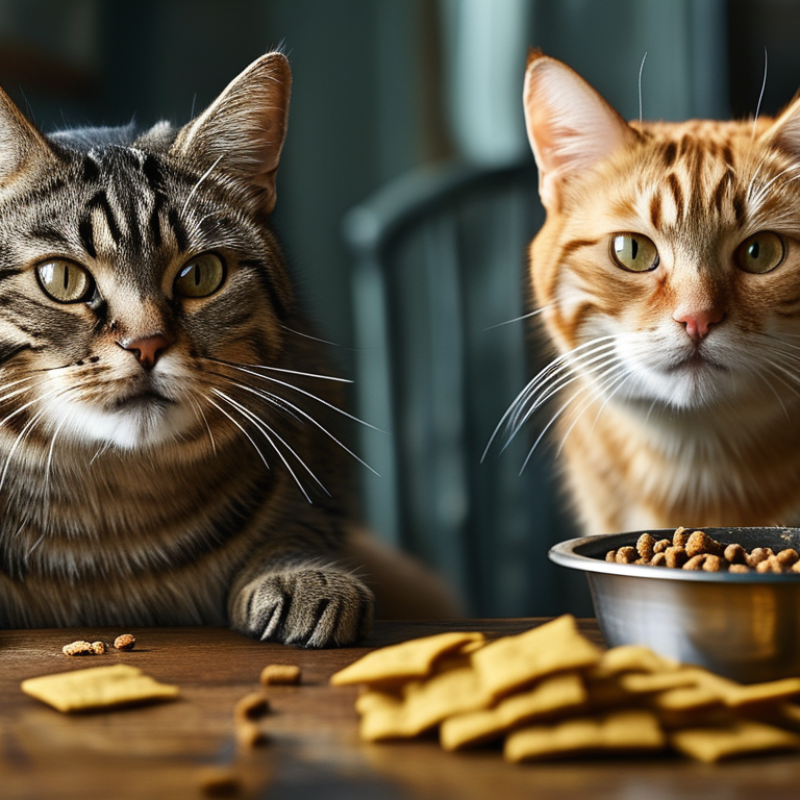
Understanding your cat's feeding preferences can be a journey. Many cats exhibit strong preferences for specific types of food, such as cat strips. This could be linked to texture, flavor, or even the way food is presented. Cats are creatures of habit. If they find a food they love, they may ignore other options.
Cats have a strong sense of smell. They can be attracted to the aroma of cat strips. However, this doesn’t mean they won’t enjoy a more balanced diet. It’s essential to explore different food types. Some cats may reject canned or dry food simply due to unfamiliarity. Others may have preferences shaped by their early experiences with food. This is where experimentation comes into play.
While it may be frustrating to see your cat turn away from nutritious options, it’s important to consider their feelings. Every cat is different, and understanding these quirks can enhance your bond. Observe their reactions. Some cats may prefer food that’s broken down into smaller pieces, while others love the challenge of chewing textures. Reflection and patience could lead to discovering new favorites that offer them variety and health benefits.
Cats can be picky eaters, often favoring treats like cat strips over their regular meals. One common reason for this behavior is the appealing texture and smell of the treats. Cat strips often have stronger flavors that grab a cat's attention. This type of food can also be more palatable than dry or canned options. Moreover, cats are instinctively drawn to protein-rich foods. Treats typically contain concentrated proteins, making them irresistible.
Another factor that influences their preference is the feeding experience. If cats associate mealtime with boredom or stress, they might reject standard food. Creating a positive atmosphere for feeding can help. For example, one could try different serving methods, like interactive feeders. Sometimes, pets might simply develop routine preferences, making them resistant to change.
Importantly, longevity in feeding the same type of treat might cause inadvertently reinforcing this behavior. Over time, cats may become reliant on these snacks for satisfaction. It encourages them to ignore their regular diet, which could lead to nutritional imbalances. Adjusting the feeding approach and slowly introducing new, enticing food can help create a healthier variety.
Cats can be quite particular about their food preferences. Nutritional factors play a significant role in what they choose to eat. Research indicates that cats are obligate carnivores. Their diet requires high protein levels. A study by the Pet Food Manufacturers Association highlights that protein should constitute about 35-50% of their diet. This may explain why your cat gravitates towards cat strips.
Texture and taste also influence their food choices. Many cat owners have observed their cats favoring certain textures over others. Wet food often lacks the chewy texture of strips, which some cats find more appealing. According to veterinary nutritionists, cats are sensitive to how food feels in their mouths. This sensory experience can drive their preference for cat strips.
Additionally, additives can alter a cat's eating habits. Some commercial foods contain artificial flavors, which might deter a cat. A report from the American Association of Feed Control Officials states that natural ingredients resonate better with cats. If your cat seems to ignore other food, it could be time to reassess its nutritional profile. What nutrients does your current food provide? Reflecting on this can lead to better dietary choices for your feline friend.
Cats often show distinctive food preferences, and it's not uncommon for them to favor cat strips over other options. According to a study published in the Journal of Feline Medicine and Surgery, cats have unique taste receptors that influence their dietary choices. They possess fewer taste buds compared to humans, making their sense of taste different. Many cats respond to the texture and aroma of certain foods, which cat strips tend to have in abundance.
Behavioral studies indicate that food preferences in cats can be linked to their early experiences. Kittens weaned too early might develop a narrower taste palette. Furthermore, according to a survey by the American Association of Feline Practitioners, nearly 70% of cat owners report that their cats exhibit specific food preferences. This suggests that feline taste is highly individualized.
Environmental factors also play a vital role. A poor food experience can lead to aversion, as noted by researchers at the University of California. If a cat associates a specific food with discomfort, it may refuse to eat that item again. Thus, understanding this behavior requires reflection on your cat's past feeding experiences and current environmental influences.
Cats can be notoriously picky eaters. If your feline friend prefers cat strips over other food, understanding their preferences is crucial. Cats often gravitate towards stronger flavors and textures they find appealing. It may be that cat strips provide a satisfying chew and taste that kibble or wet food lacks. Observing your cat's eating habits can help you identify what they truly enjoy.
To encourage a more balanced diet, gradually mix different food types. Start by combining small pieces of cat strips with moist food or kibble. This can help them adjust without overwhelming them. Offering a variety of proteins and flavors is also beneficial, as it keeps their meals interesting. Always consult with a veterinarian to ensure the nutritional needs of your cat are met.
Moreover, avoid pressure feeding. Cats can become stressed if they feel forced to eat something they dislike. Instead, create a calm mealtime atmosphere. You can try serving food in different locations or using interactive feeders. The goal is to make mealtime enjoyable rather than a chore. Adapting to your cat’s unique preferences takes time and patience.
: Cats often favor treats due to their appealing texture and stronger flavors.
Yes, if mealtime is boring or stressful, cats may reject regular food options.
Gradually mix treats with regular food to help them adjust without pressure.
A poor food experience can lead to aversions, affecting their choices in the future.
Yes, cats have fewer taste buds compared to humans, influencing their dietary preferences.
Try using interactive feeders or changing the food location to make mealtime enjoyable.
Yes, relying on treats can cause nutritional imbalances in cats over time.
Yes, many cats display unique preferences based on individual tastes and early experiences.
Always consult a vet to ensure your cat's nutritional needs are met effectively.
Forcing a cat to eat can create stress and may worsen their aversion to certain foods.
Understanding why cats exhibit specific feeding preferences, such as "why does my cat only eat cat strips," involves exploring several factors. Many cats are attracted to the texture and taste of treats, which often surpass the appeal of regular food. Nutritional elements in treats, such as higher protein content and richer flavors, can lead to an imbalance in their diet preferences. Additionally, behavioral aspects play a significant role; cats may develop habits or associations that favor certain types of food over others.
To encourage a more balanced diet in cats, pet owners can gradually introduce regular food alongside treats, ensuring the food is presented in a manner that entices their pets. Experimenting with different textures and flavors while observing their reactions can help foster healthier eating habits. By understanding these nuances, cat owners can better address why their feline companions may prefer cat strips over other food options.

Zesty Pet