If you've ever pondered "why is my dog refusing dry kibble," you're not alone. Many dog owners face this puzzling issue. It can be distressing when your furry friend snubs their food. Various factors contribute to this behavior, and understanding them is essential.
Your dog's diet is critical for their health. If they suddenly reject dry kibble, it might indicate an underlying concern. From medical issues to simple preferences, the reasons can vary widely. For instance, dental problems may make chewing kibble painful. Alternatively, your dog may find their food unappealing compared to more flavorful options.
Sometimes, the refusal is merely a phase. Dogs can be fickle eaters, changing their preferences frequently. Paying attention to their behavior and needs is vital. You might need to experiment with different brands or flavors. For many pet owners, finding the solution can be frustrating yet rewarding. With patience and understanding, you can encourage a healthy eating habit in your dog.
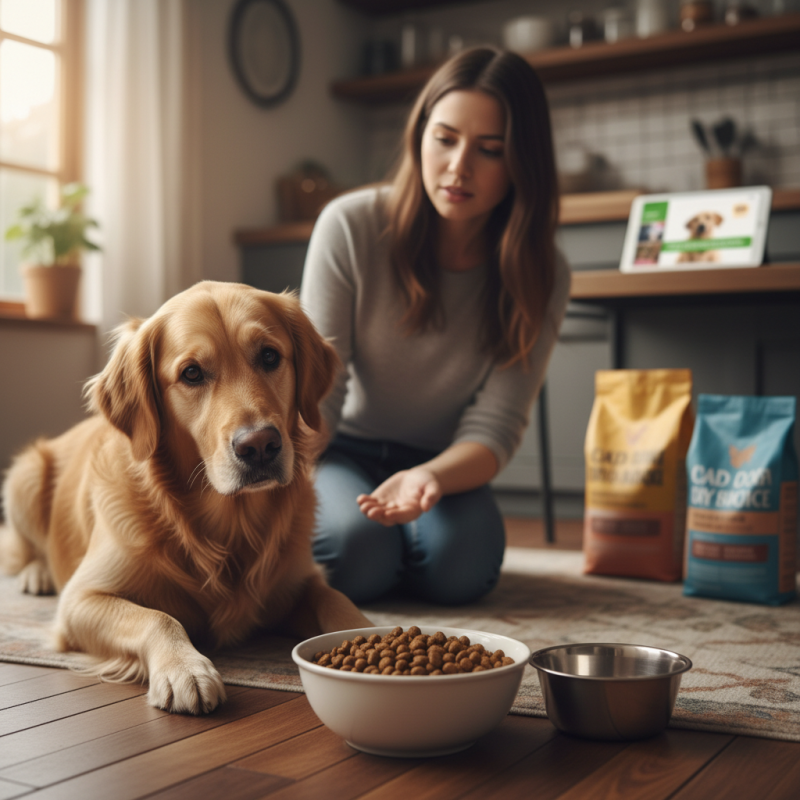
Many dog owners experience frustration when their pets refuse to eat dry kibble. Understanding the common reasons behind this behavior is essential. One significant factor is the texture of the kibble. Dogs have individual preferences, and some may find hard kibble uncomfortable to chew. In fact, a study indicates that nearly 30% of dogs show a clear preference for softer foods due to dental issues or sensitive gums.
Another common reason is the lack of appealing flavors in dry kibble. Dogs, like humans, have distinct tastes. If the kibble doesn't match their flavor profile, they may turn their noses up at it. Research shows that around 45% of dogs become picky eaters if their diet lacks variety. For some dogs, enticing smells lead them to select wet food over dry kibble consistently.
Changes in a dog's health or routine can also play a role. Stress or anxiety from moving to a new environment can trigger loss of appetite. It's important to observe behavioral changes alongside their eating habits. A survey found that 25% of pet owners noticed some degree of reluctance to eat during stressful situations. Recognizing these signs can help pet owners adjust their dog's diet and environment for better eating habits.
Freshness plays a critical role in a dog's diet. When dog food is not fresh, it can lose its nutritional value. A study by the Association of American Feed Control Officials (AAFCO) states that over time, nutrients in kibble can degrade, leading to poor health. Dogs rely on fresh food to maintain energy and vitality. If your dog seems uninterested in dry kibble, it might be signaling that it's not as fresh as it should be.
The temperature at which kibble is stored affects its freshness. According to a report from the Pet Food Institute, storing kibble in a cool, dry place prolongs its shelf life. However, many owners overlook this detail. A significant percentage of pet owners leave kibble in its original bag, which is not ideal. Exposure to air can turn even quality kibble stale and unappealing.
Furthermore, it's essential to pay attention to the expiration dates of your dog's food. Research indicates that pet foods lose significant vitamins around six months after expiration. This loss can affect your dog’s digestion and overall health. It’s worth considering that a dog's reluctance to eat may hint at underlying issues, including poor food quality. Regularly checking the freshness of kibble can make a noticeable difference in your pet's appetite and well-being.
This bar chart illustrates the various reasons why dogs may refuse dry kibble. Freshness stands out as the most significant factor, followed by taste and texture. Understanding these reasons can help dog owners improve their pets' eating habits.
Understanding your dog's taste preferences is vital for their happiness and health. Many dogs refuse dry kibble because they seek variety and flavor. Dogs are naturally attracted to moist and aromatic foods. If your pet turns their nose up at kibble, consider their sensory experiences.
One tip is to observe your dog's reactions to different textures. Some dogs prefer softer foods, while others love crunchy bites. Mixing in a little wet food can enhance the appeal. Experimenting with homemade meals may also be a fun way to discover their likes and dislikes.
Another reason for kibble refusal might stem from health issues. Dental problems can make chewing kibble uncomfortable. Regular vet visits are crucial for maintaining oral health. Pay attention to your dog's weight and energy levels. A dog that refuses food may need a dietary change or even a check-up. Always prioritize their well-being and listen to their preferences.
If your dog refuses dry kibble, health issues might be to blame. Dental problems can cause significant discomfort. Dogs may avoid kibble if they have sore gums or broken teeth. Regular dental check-ups are essential. If you notice bleeding or foul breath, consult your vet.
Gastrointestinal issues can also affect appetite. Dogs with nausea may turn away from their food. Conditions like pancreatitis or irritable bowel syndrome can lead to this behavior. Observe if your dog shows signs of distress after meals. Weight loss or lethargy are red flags. It's crucial to address these symptoms early.
Moreover, age-related changes can impact a dog’s desire to eat. Older dogs may develop sensitivities or taste changes. They often require softer or more palatable food. Monitor your pet’s eating habits and adjust their diet accordingly. Each dog is unique, so what works for one might not work for another. Regular vet visits can help tailor a diet that meets your dog’s specific needs.
If your dog is refusing dry kibble, it can be distressing. Picky eaters often need alternatives that invite them to the bowl. One option is to try wet food. The rich aroma and texture can entice even the fussiest dogs. Providing moist food can make meals more appealing.
Another creative way to enhance your dog’s diet is to mix in fresh ingredients. Adding cooked vegetables, like carrots or peas, can add flavor and nutrients. You could also try incorporating lean meats, which many dogs find irresistible. Keep a close eye on portion sizes. Adjusting your dog’s intake is crucial to avoid overfeeding.
You might also consider homemade recipes. Preparing dog food from scratch allows you to control ingredients. This can cater to your dog's taste preferences. However, ensure that meals are balanced and nutritious. It might take some experimentation to find what works best. Always consult a vet for guidance. The right alternative can make mealtime enjoyable for your furry friend.
: Dogs may dislike the texture. Hard kibble can be uncomfortable for some, especially with dental issues.
Flavor matters significantly. If dry kibble lacks appealing tastes, dogs may turn away from it.
Yes, stress from changes can cause reluctance to eat. Observe your dog's behavior during stressful times.
Mixing can help. Many dogs prefer moist food, which enhances the appeal of their meals.
Signs include reluctance to eat, weight loss, and lethargy. Watch for behavioral changes after meals.
Look for sore gums, bleeding, or bad breath. These issues can make kibble painful to chew.
Older dogs might need softer foods. Age can alter taste preferences and sensitivities.
Yes, experimenting can be fun. It may help you discover what your dog enjoys eating.
If your dog shows distress, persistent refusal to eat, or significant weight loss, seek veterinary advice.
Absolutely. Many dogs become picky eaters due to repetitive diets. Variety increases their interest in meals.
In the article titled "10 Tips Why Is My Dog Refusing Dry Kibble?", we explore several common reasons dogs may turn away from their dry food. A significant factor is the freshness of the kibble, as stale food can be unappealing to many pets. Additionally, understanding your dog's taste preferences is crucial; some may prefer different flavors or textures. Health issues can also play a role, as illnesses or dental problems might cause a decrease in appetite.
For owners asking, "why is my dog refusing dry kibble?", alternative feeding options may offer a solution for picky eaters. These could include mixing wet food with dry kibble or providing homemade meals that cater to your dog's individual palate. Ultimately, understanding your dog's needs and experimenting with various feeding strategies can help restore their interest in dry kibble.

Zesty Pet