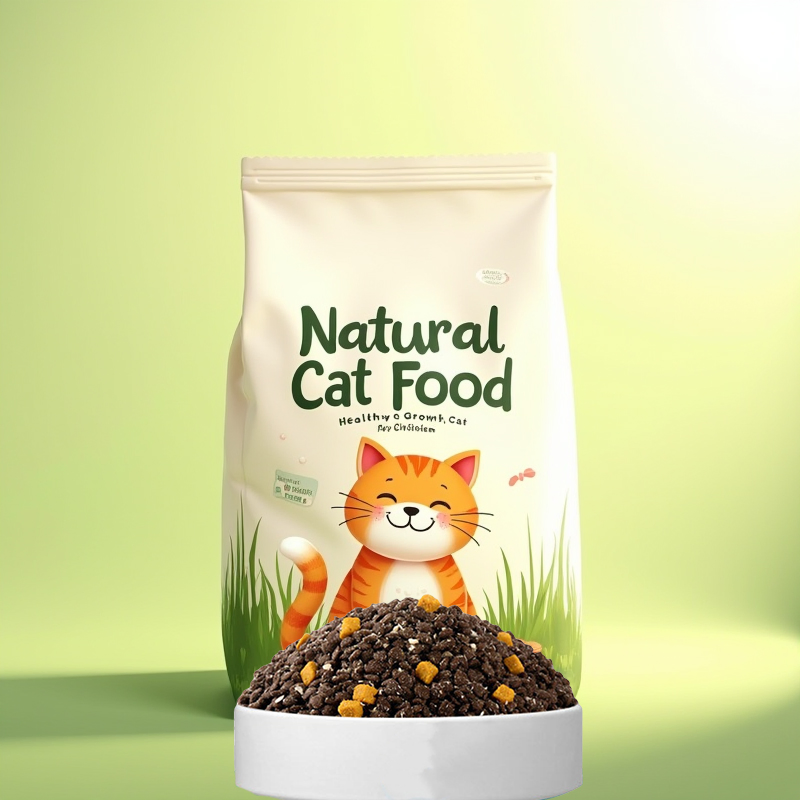
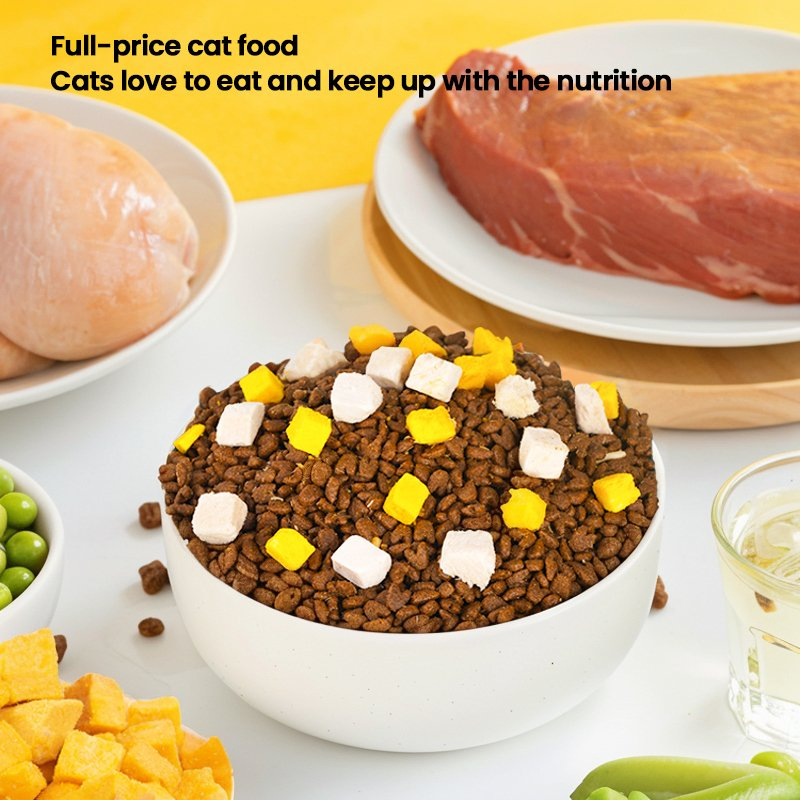
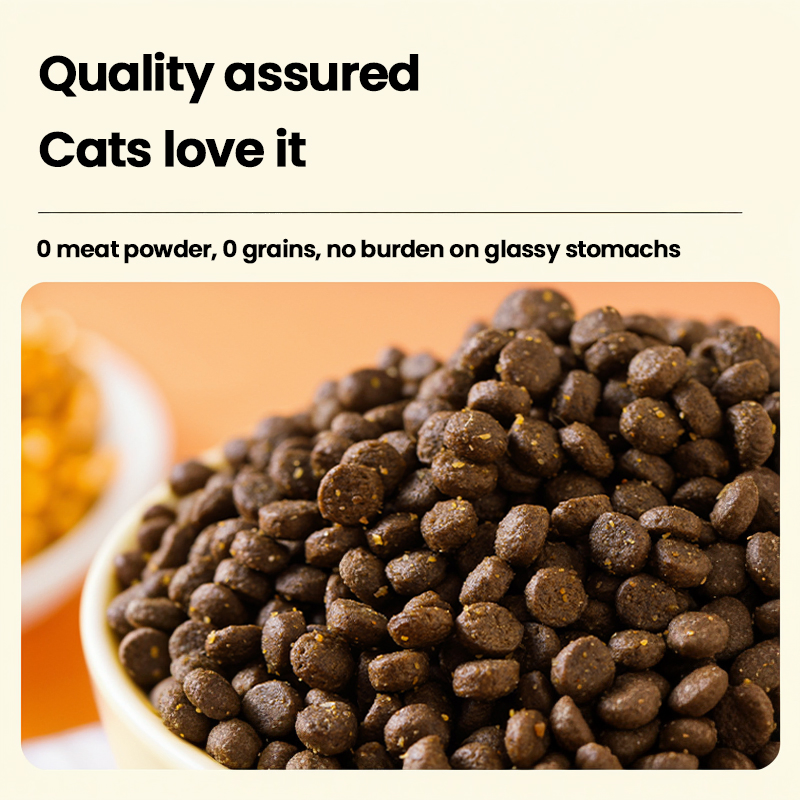
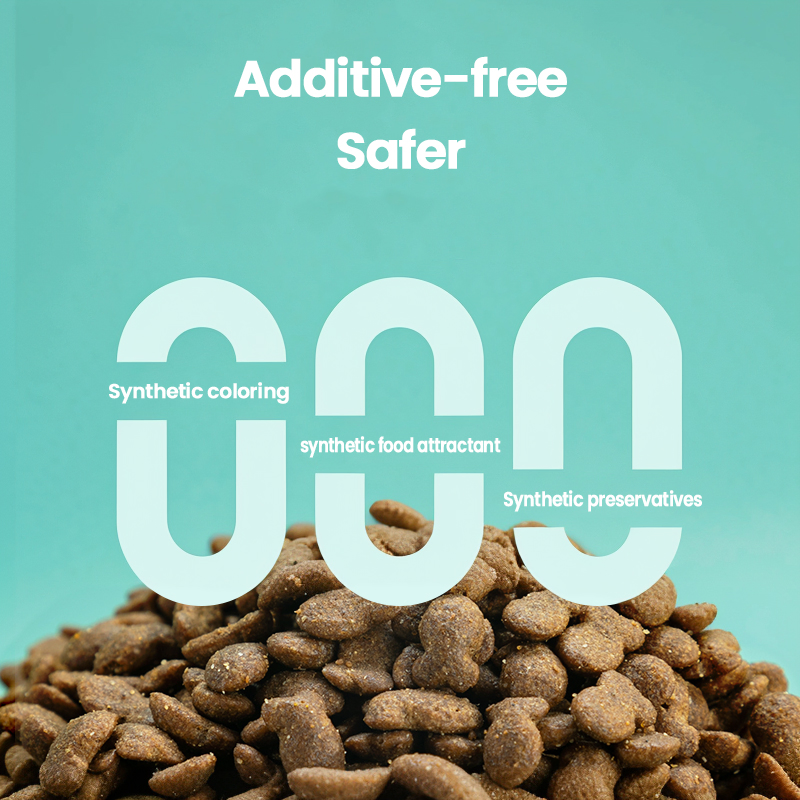
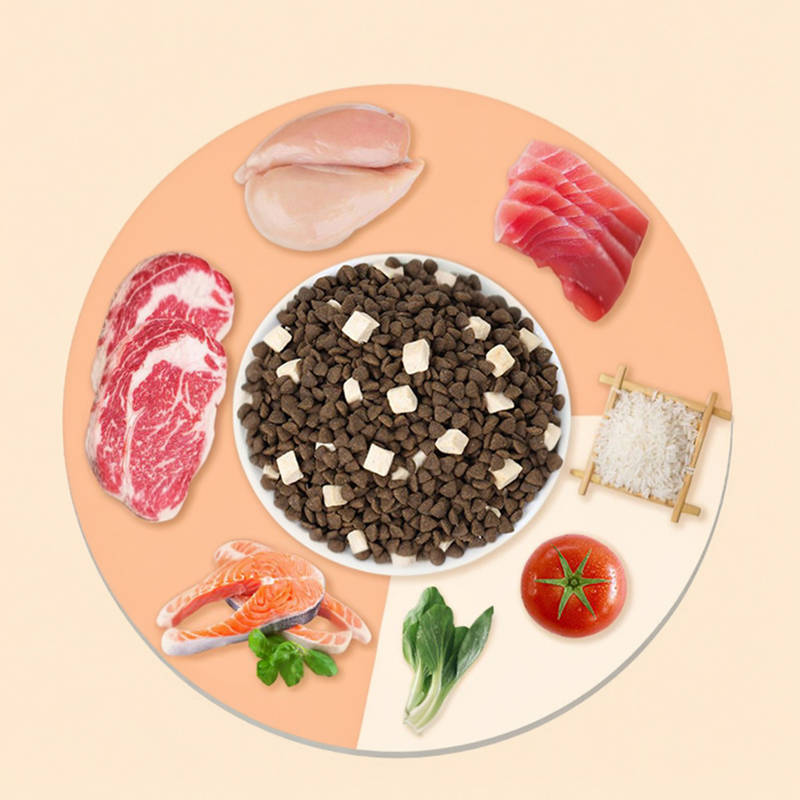
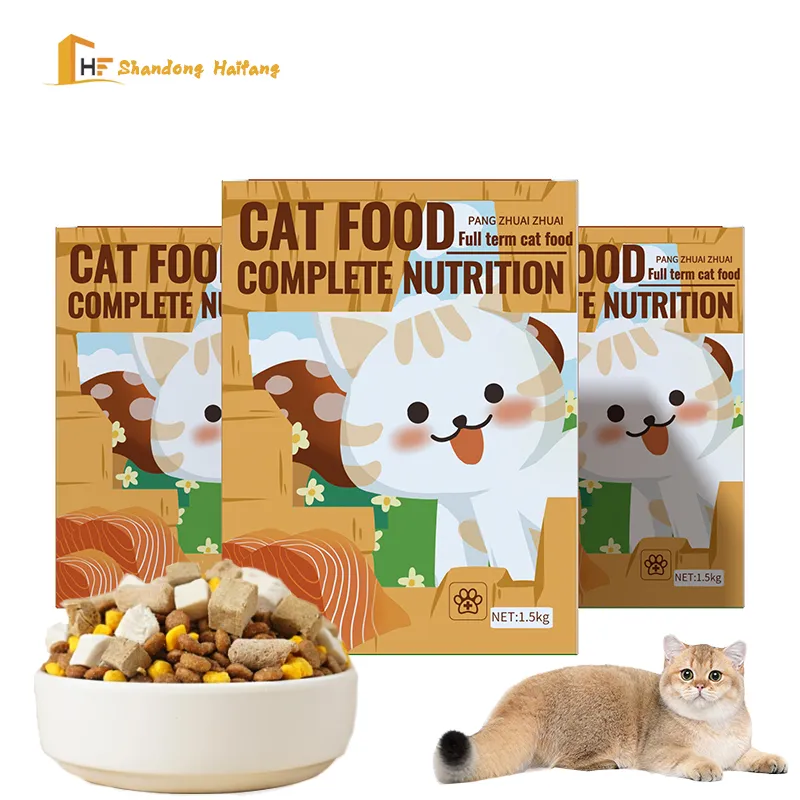
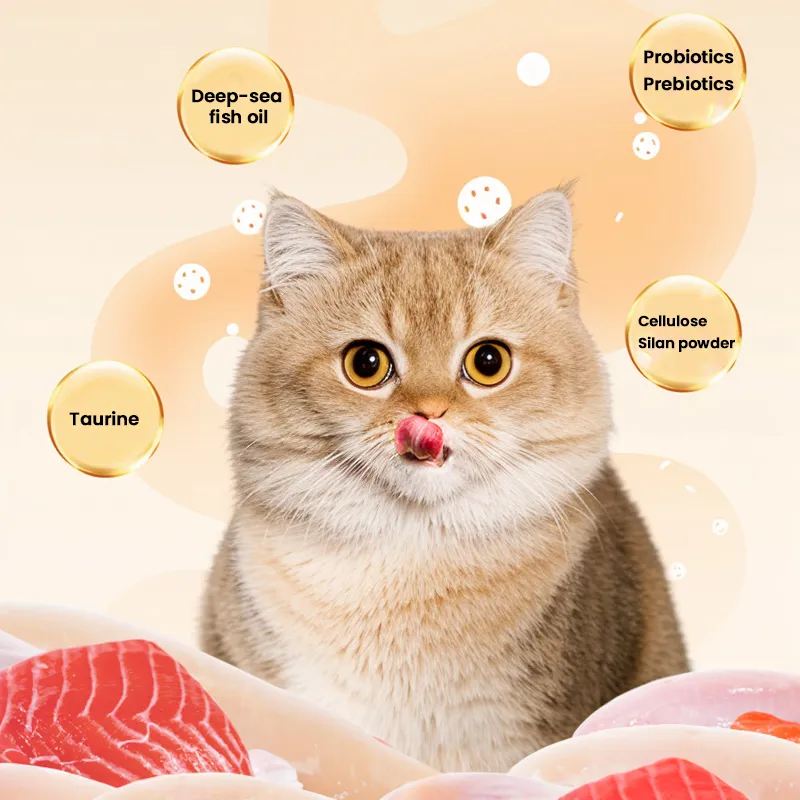
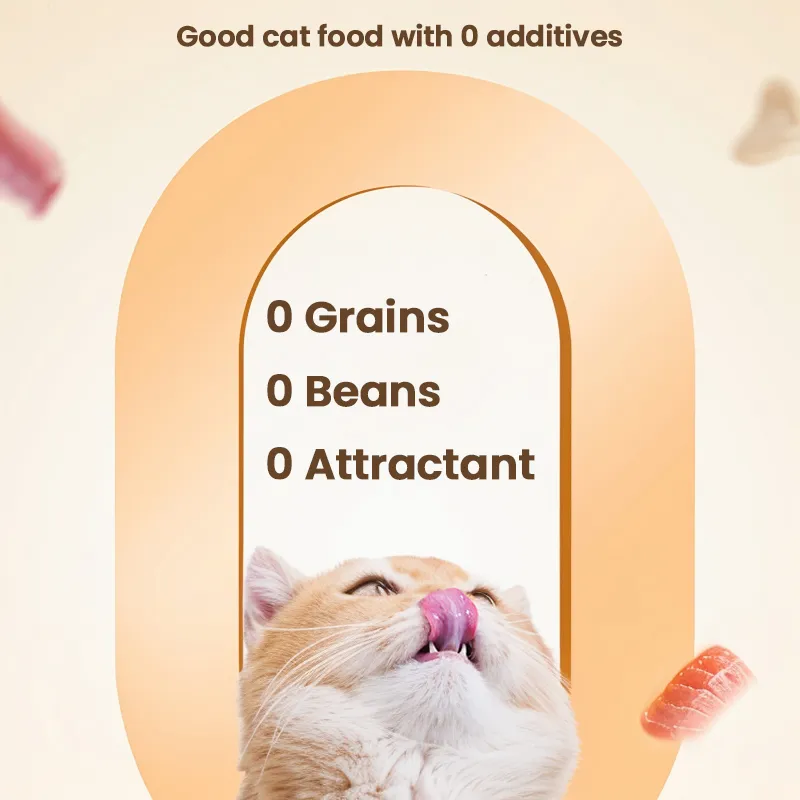
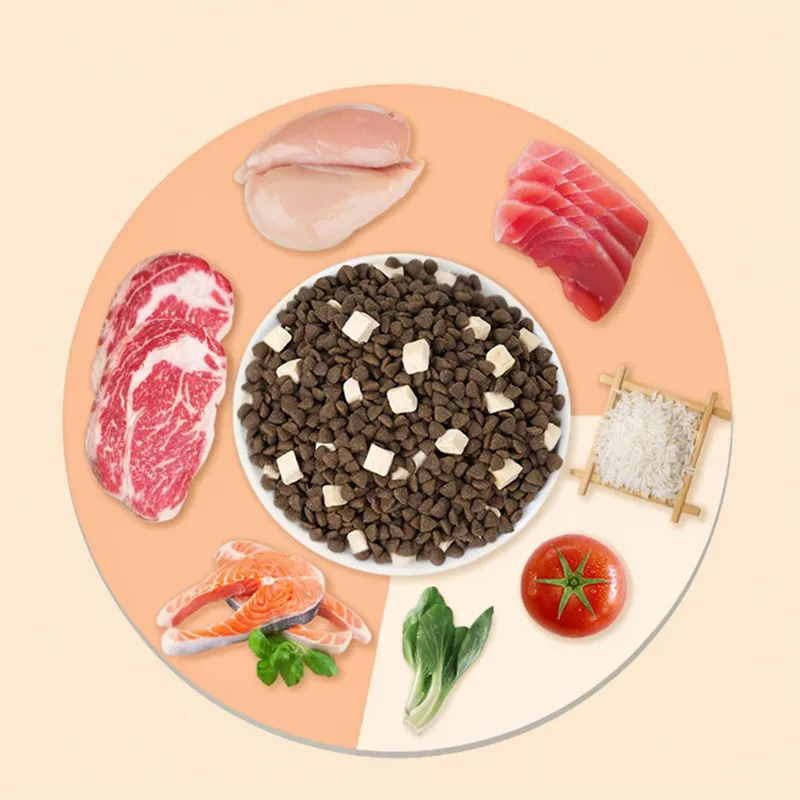
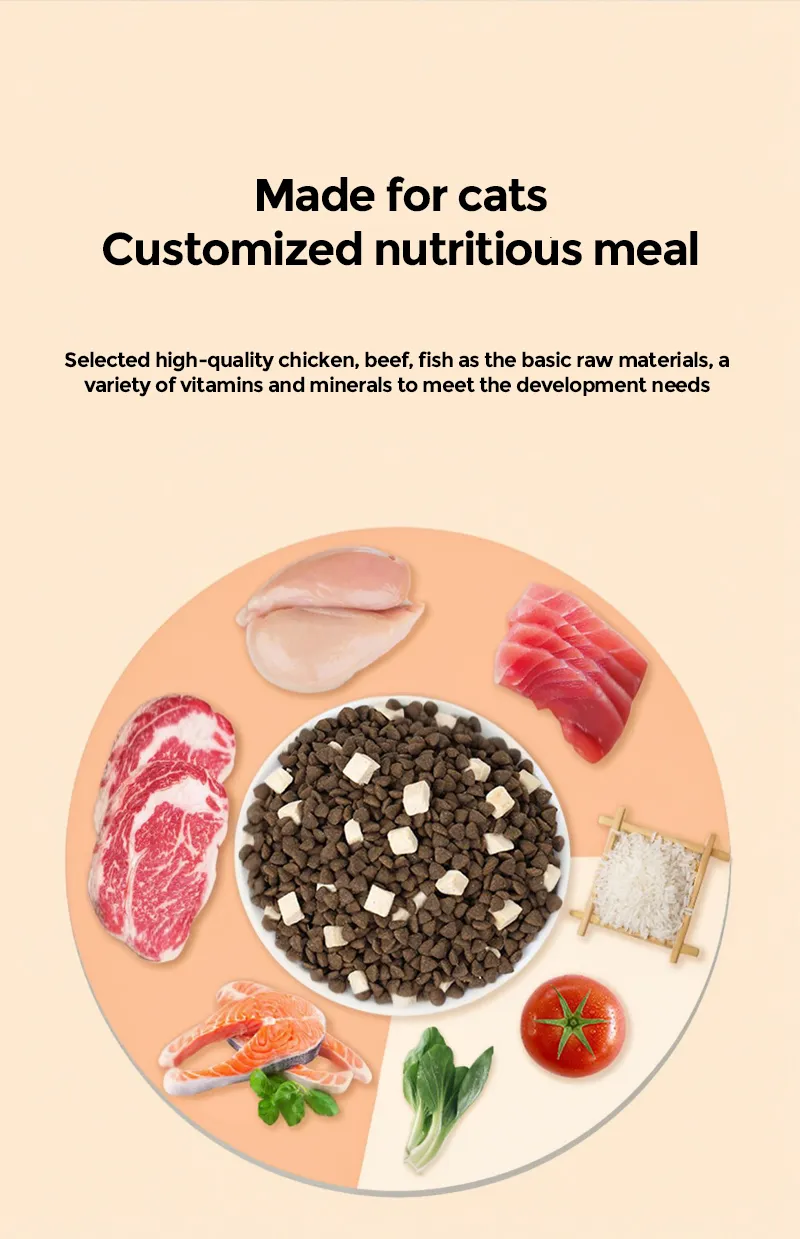
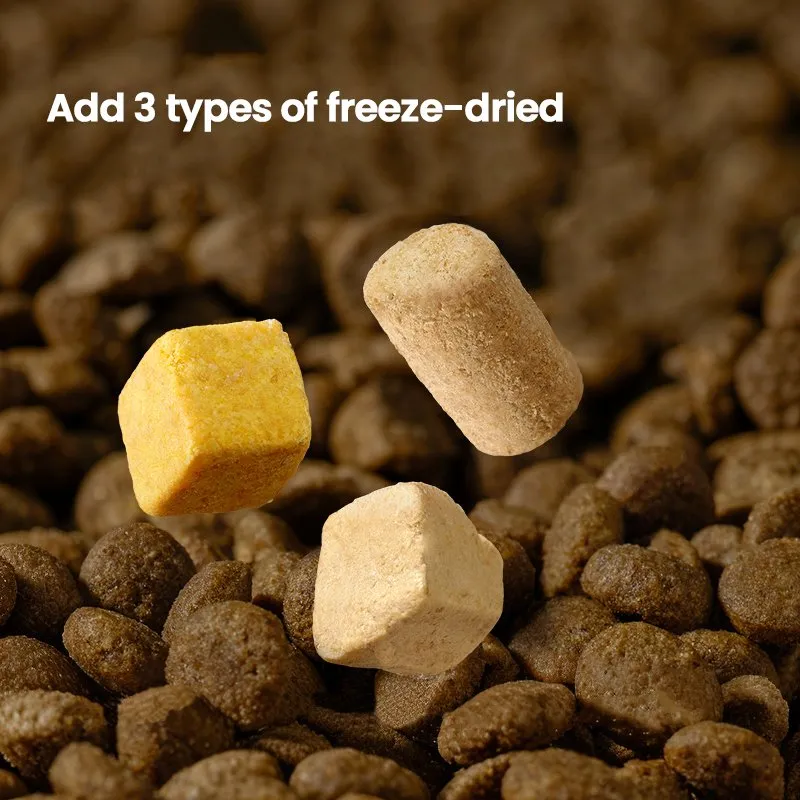
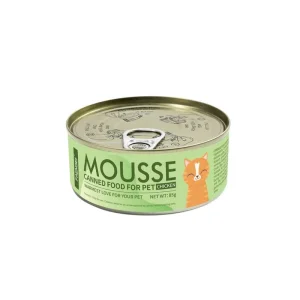
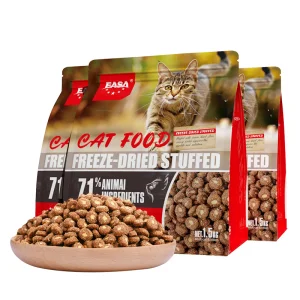
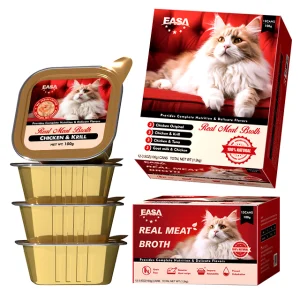
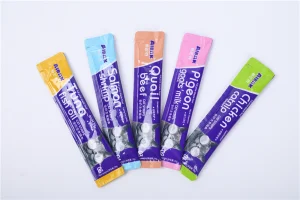
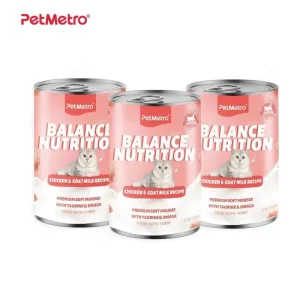
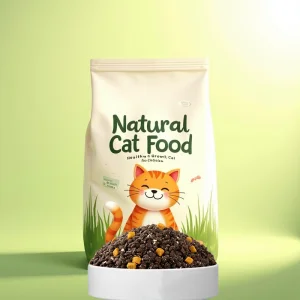
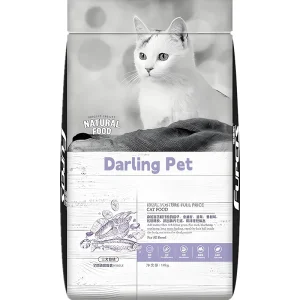
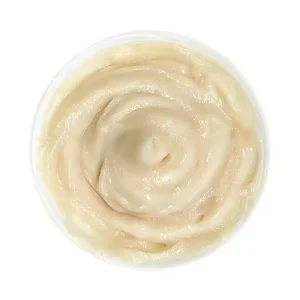
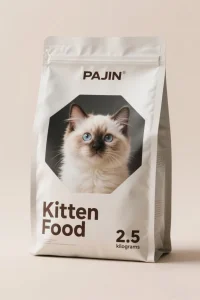
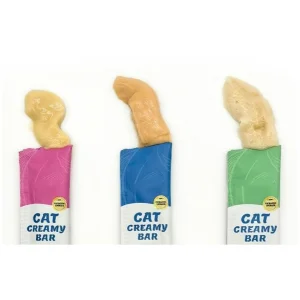
Ingredients: Cod, Chicken, Vitamins, Whole Wheat, Matured Soy, Yeast, Whey Powder, Rice, Trace Mineral Complex, Methionine, Lysine, Taurine.
| Nutrient |
Standard |
Nutrient |
Standard |
| Crude Protein |
≥25% |
Ω-3 |
≥0.43% |
| Crude Fat |
≥12% |
Ω-6 |
≥0.32% |
| Water content |
≤10% |
Methionine |
≥0.3% |
| Crude ash |
≤9% |
Vitamin A |
≥13000lu/kg |
| Crude fiber |
≤5% |
D3 |
≥1200lu/kg |
| Ca. |
1%-3% |
Vitamin E |
≥500lu/kg |
| Water-soluble chloride |
1%-1.8% |
Total phosphorus |
≥0.5% |
| Taurine |
≥1% |
- |
- |
Storage Details: Avoid sunlight, high temperature and humidity. Use as soon as possible after opening.
Shelf life: 24 months | Payment terms: 30% T/T, LC, Trade Guarantee.
?
Frequently Asked Questions
What are the main types of cat food available?
Generally, there are two primary types: wet food (high moisture content) and dry food (kibble).
How should I select the right food for my cat?
Selection should be based on the cat's age, health condition, and flavor preference. Always consult your veterinarian and read the package instructions for guidance.
What is the key difference between dry and wet food?
Dry food is easier to store and suitable for free-feeding due to low water content. Wet food provides better hydration and mimics a natural diet more closely.
What essential nutrients are required in high-quality cat food?
A balanced diet must include proteins, fats, vitamins (A, D3, E), minerals (Calcium, Phosphorus), and amino acids like Taurine and Methionine.
What is the best way to store cat food?
Store in a cool, dry, and ventilated area away from direct sunlight. Dry food should be in a sealed container once opened, while wet food requires refrigeration.
Are there ingredients I should strictly avoid giving my cat?
Yes, ensure the food does not contain chocolate, onions, garlic, certain dairy products, or caffeine, as these can be harmful to feline health.
 Zesty Pet